
































































































































































































































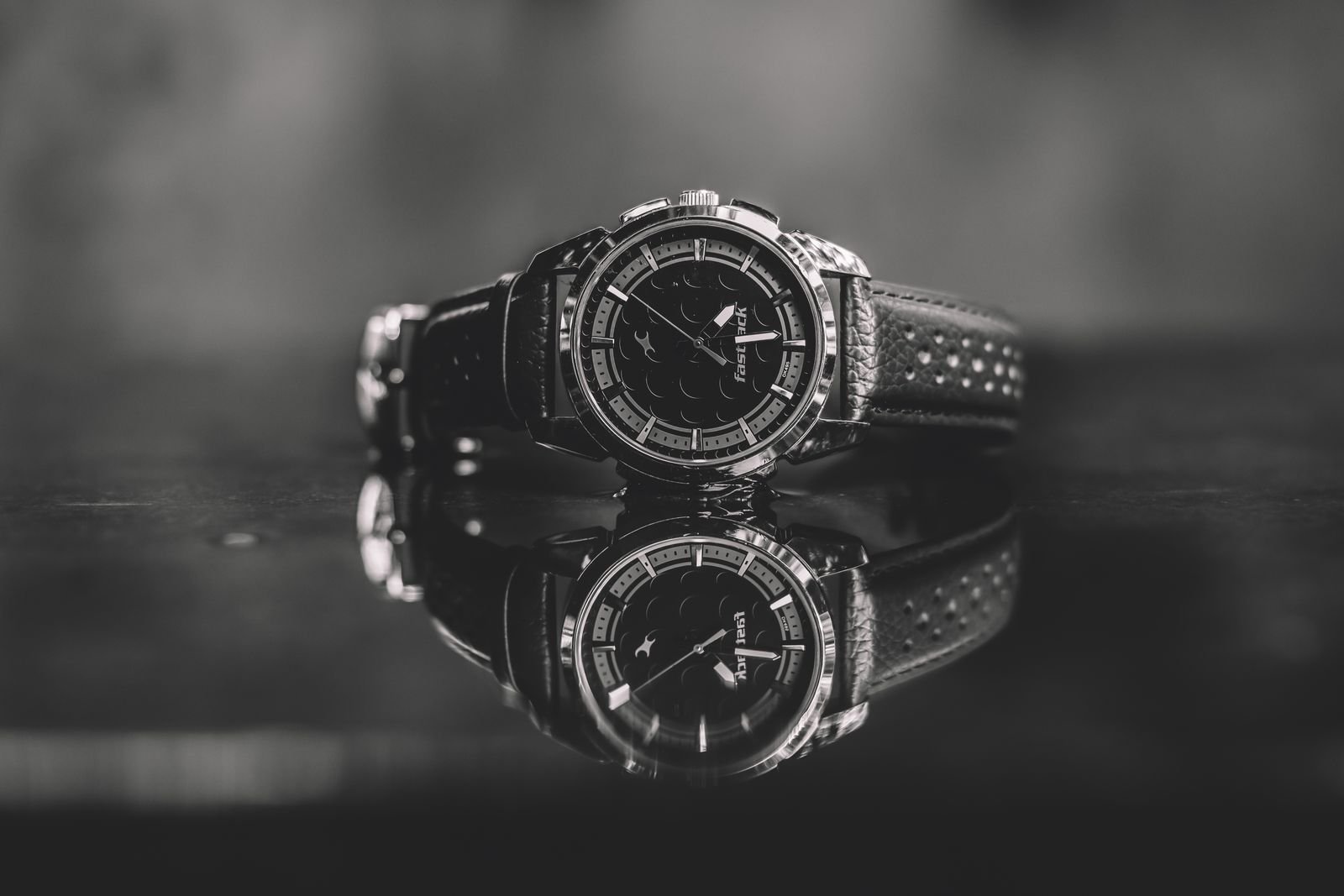
The Omega Seamaster Planet Ocean is difficult to authenticate from one photograph because it is not one unchanging watch. Since its 2005 debut, the family has included different case sizes, movements, dial layouts, metals, chronographs, GMT models, special editions, and several generations of bracelets and casebacks. A detail that is correct on one reference can be wrong on another. That is why the safest way to spot a fake Omega Planet Ocean is not to memorize a handful of supposed tells. It is to identify the exact reference first, then test whether every visible and mechanical detail belongs to that reference and production period.
This guide gives pre-owned buyers a practical inspection sequence. It can eliminate obvious counterfeits and reveal watches assembled from mismatched parts, but it cannot replace a hands-on examination by Omega or a qualified watchmaker. Modern replicas can copy serial numbers, packaging, ceramic bezels, and even the broad appearance of a movement. Treat each check as one piece of evidence, not a verdict by itself.
Start With the Exact Planet Ocean Reference
Before judging the dial or case, ask the seller for the full reference number, serial number, clear photographs, and any cards or service invoices. Omega’s modern product identification codes describe a specific configuration. The reference should lead to the correct case diameter, case material, dial color, bezel, bracelet or strap, movement, functions, and water-resistance rating. Compare those specifications with an official Omega product page, manual, catalog, or reliable archived listing.
This step matters because the Planet Ocean range has evolved substantially. Earlier examples commonly use Omega’s calibre 2500 family and may have a solid caseback. Later generations introduced in-house 8500-series movements, display backs, ceramic components, and Master Chronometer calibres. Chronographs, GMTs, worldtimers, and Ultra Deep models have their own layouts and dimensions. The fourth-generation collection introduced in 2025 changed the case and bracelet architecture again. A blanket rule such as “every genuine Planet Ocean has this caseback” is therefore unreliable.
Build a simple reference sheet before inspecting the watch:
- Case: Confirm diameter, thickness, material, lug form, crown, and helium valve arrangement.
- Dial: Match color, text, date position, hand set, hour markers, and any chronograph or GMT indications.
- Bezel: Verify color, scale, numerals, material, and whether the insert belongs to that generation.
- Movement: Confirm the exact calibre, expected functions, power reserve, and whether the caseback should be solid or transparent.
- Bracelet or strap: Compare end links, clasp style, adjustment system, finish, and reference-specific material.
A watch that looks convincing in isolation may fail immediately when compared with the correct reference. Common warning signs include a date window in the wrong position, a display back on a version that should be solid, the wrong movement visible through the caseback, or a dial and bezel combination Omega never sold.
Inspect the Dial, Hands, Bezel, and Helium Valve
Use a loupe or a sharp macro photograph, but begin with overall geometry. On a genuine example, the dial furniture should form a coherent system: markers align with the minute track, hands reach their intended scales, the date is centered in its aperture, and printed lines sit level. Counterfeits often reproduce individual elements reasonably well while missing their relationships.
Compare the Omega logo, “Seamaster,” “Professional,” depth rating, and certification wording with photographs of the same reference. Look for clean edges, consistent spacing, and the correct font weight. Applied markers should sit squarely and show uniform finishing. Luminous material should be neatly contained rather than spilling over the marker borders. A printing flaw is meaningful only after you have ruled out distorted photos, reflections, compression, and legitimate generational differences.
The hands are equally reference-specific. Check their shape, length, polished or brushed surfaces, color accents, and lume. The seconds hand should reach the track correctly. Most Planet Ocean models are mechanical, so the seconds hand advances in several small steps per second rather than one large quartz-style jump. However, a smooth-looking sweep alone proves nothing; inexpensive mechanical movements can imitate it.
Turn the unidirectional dive bezel slowly through a full rotation. The action should be positive and consistent, while the zero marker should align accurately when returned to 12. Compare the numeral shapes, engraving depth, paint or liquid-metal fill, and pip construction with the exact reference. Bezel wear or a replacement insert can occur on an authentic used watch, but an incorrect service or aftermarket part affects originality and value even when the underlying watch is genuine.
The helium escape valve near 10 o’clock is a signature feature on many Planet Ocean references, which makes it a favorite counterfeit shortcut. Compare its proportions, knurling, seating, and position against the correct generation. Do not unscrew or pressure-test it casually. Its presence is not proof of authenticity, and apparent water resistance cannot be judged visually. Any watch intended for diving should receive a professional pressure test after purchase or service.
Cross-Check the Case, Engravings, Serial, and Paperwork
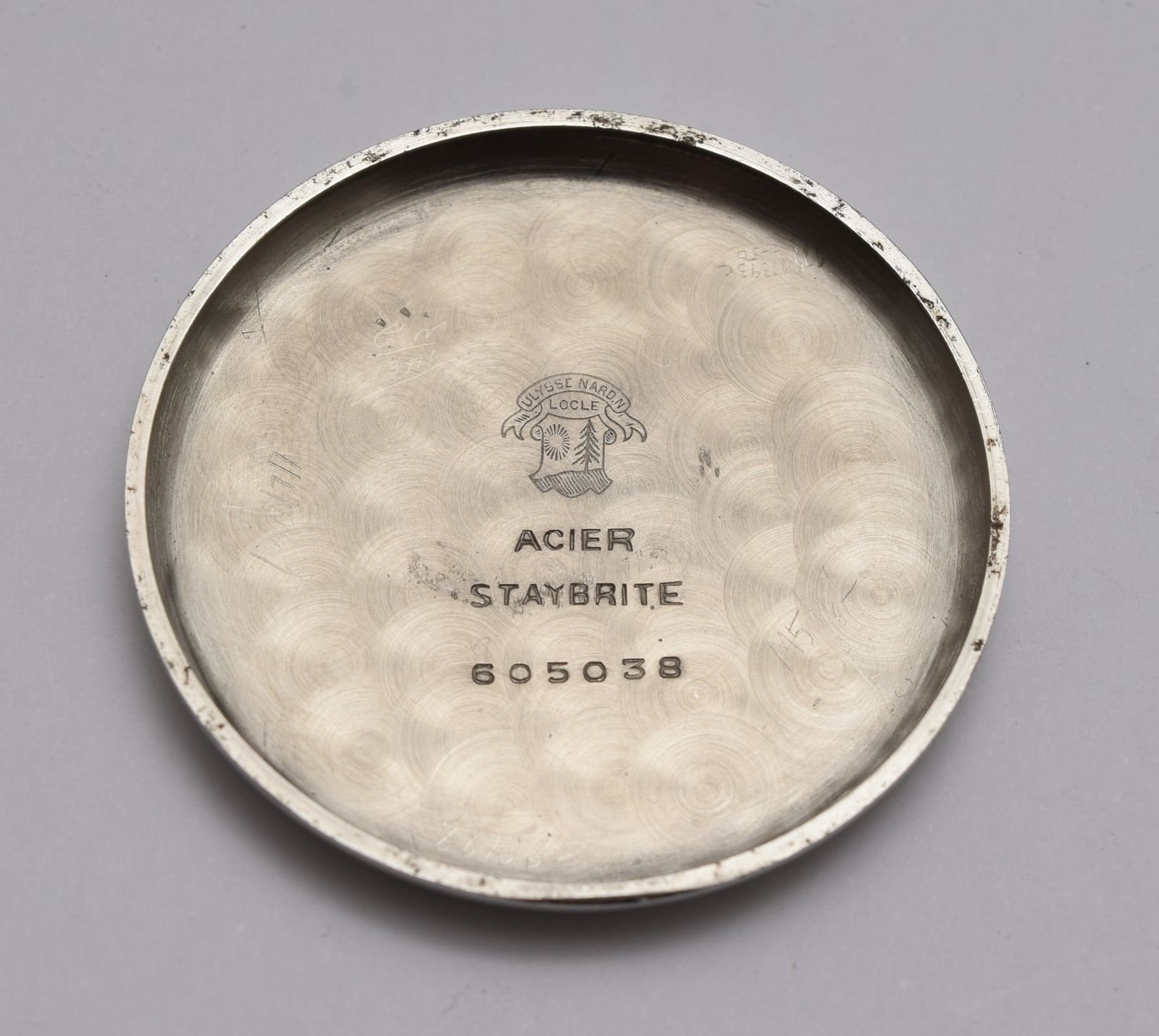
Examine the transitions between brushed and polished surfaces. Genuine luxury-watch finishing is controlled: edges are deliberate, circular brushing is even, and adjacent finishes meet cleanly. Deep scratches or repeated polishing can soften an authentic case, so do not confuse wear with counterfeiting. Instead, look for a combination of poor geometry, uneven finishing, rough threads, loose controls, and incorrect dimensions.
Modern Omega serial numbers are usually engraved on the exterior of the case, often beneath a lug or around the caseback depending on the model. The number should be crisp and evenly applied. More important, it should agree with the warranty card and, when professionally inspected, the movement. A valid-looking serial is not enough: counterfeiters can copy a genuine number and repeat it across many watches.
Ask the seller to show the serial clearly but avoid publishing the complete number in an open listing. Search the visible portion and seller photographs for reuse across unrelated advertisements. Then check that the reference, serial, calibre, and claimed year form a plausible set. Omega does not provide a public universal serial-number authenticity database. For a recent Master Chronometer watch, the certification details associated with its card may be available through Omega’s owner services. For suitable older watches, an Extract from the Archives can document production information, although documentation is not the same as a physical authentication.
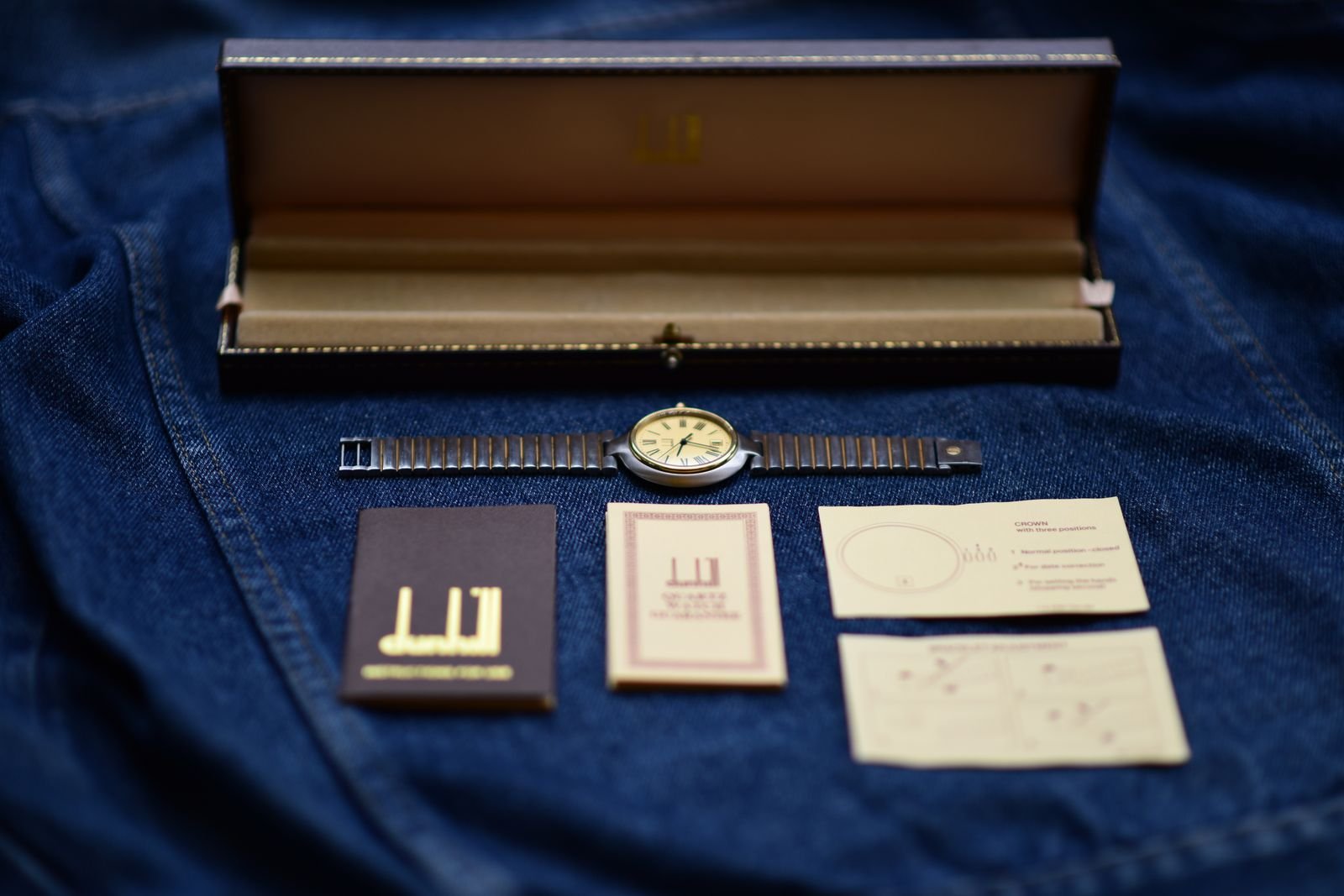
Boxes and cards support provenance; they do not authenticate the watch by themselves. Packaging can be bought separately, cards can be altered, and genuine accessories can accompany a fake watch. Inspect typography, dealer information, dates, and numbers for internal consistency. A convincing full set paired with a mismatched watch is more concerning than an honest watch-only sale with a strong service trail.
Verify the Movement and Functions, Not Just the Appearance
The movement is often the most decisive layer, especially when a display back is present. Compare bridge architecture, rotor shape, jewel positions, engraving, surface treatment, and calibre markings with official images of the exact movement. Modern Planet Ocean calibres have distinctive layouts and finishing that a decorated generic movement may imitate from a distance but not structurally.
Do not open the case yourself. The Planet Ocean is a high-water-resistance dive watch, and an improper opening can damage seals, scratch the case, introduce contamination, or compromise pressure resistance. Ask an Omega-experienced watchmaker to inspect the movement, verify the calibre and serial, look for non-genuine components, and reseal and pressure-test the watch correctly.
Test every advertised function in a safe, logical sequence. Wind the watch, set the time, operate the independent hour hand where fitted, check the date change, and test chronograph or GMT functions only as specified for that calibre. Crown positions should correspond to the manual. A counterfeit may copy the dial but use a movement whose crown, date, or subdials behave differently. A malfunction does not automatically mean fake—a genuine watch can need service—but unexplained functional differences from the correct manual are a serious warning.
Timekeeping can reveal problems but cannot certify authenticity. Current Master Chronometer models are tested to demanding standards, yet rate on a used watch depends on condition, magnetism, power reserve, position, and service history. A cheap timing app is useful as a screening tool, not as proof. Likewise, weight can help when compared with a verified example on the same bracelet configuration, but links, straps, and component changes make internet weight figures easy to misuse.
Use a Safer Buying and Authentication Process
The strongest protection comes from the transaction structure, not from spotting one microscopic flaw. Prefer an Omega boutique, authorized dealer, established pre-owned specialist, or marketplace with meaningful authentication and a written return policy. Research the seller independently, read the exclusions in any guarantee, and use a payment method that preserves recourse.
Before paying, request high-resolution, current photographs of the dial, bezel, both case sides, caseback, crown, helium valve, clasp, end links, cards, and serial location. Ask for a timestamped image or a specific hand position to prove the seller possesses the watch. Reverse-search photographs where practical. Stock images, evasive answers, pressure to pay by irreversible transfer, and a price far below comparable examples are reasons to stop.
For a significant purchase, make the sale conditional on inspection during the return window. The written inspection should cover authenticity, movement identity, serial consistency, water-resistance testing, material parts, and major aftermarket or incorrect service components. “Authentic” and “all original” are different claims: a genuine Omega can contain a replacement bezel, dial, bracelet, or movement part that changes its collector value.
Walk away when evidence conflicts and the seller cannot resolve it. No discount compensates for a copied serial, an incorrect calibre, contradictory paperwork, or refusal to permit professional inspection. A legitimate seller may not know every technical detail, but should welcome reasonable verification of a luxury dive watch.
Frequently Asked Questions
Can I authenticate an Omega Planet Ocean from photos?
You can reject obvious fakes and mismatched references from good photographs, but photos rarely provide final certainty. They cannot reliably confirm the movement, internal serial, water resistance, hidden replacement parts, or the physical quality of a sophisticated replica. Use photos for screening, then arrange an in-person professional inspection.
Does a matching Omega serial number prove the watch is real?
No. A matching case and card number is useful evidence, but counterfeiters can copy genuine serials and paperwork. The number must also be correctly applied, plausible for the reference, and consistent with the movement and Omega records where available.
Should every Planet Ocean have a helium escape valve?
The familiar Planet Ocean 600M design commonly includes a helium escape valve, but its exact construction and the wider case architecture vary by reference and generation. Compare the candidate only with official information for its precise reference rather than applying a universal visual rule.
Is a one-second tick proof of a fake Planet Ocean?
Most Planet Ocean models use mechanical movements, so a one-second quartz-style jump would conflict with their expected behavior. Even so, identify the exact reference first and do not rely on seconds-hand motion alone. A mechanical counterfeit can also produce a sweeping appearance.
Who should authenticate a pre-owned Planet Ocean?
An Omega boutique or authorized service route offers the strongest brand-backed option. A qualified independent watchmaker with specific Omega experience can also verify the movement, serials, functions, component condition, and pressure resistance. Ask what the inspection includes and obtain the result in writing.
Conclusion
The reliable way to spot a fake Omega Planet Ocean is to make the watch prove its identity layer by layer. Establish the exact reference, compare the dial and case with official specifications, cross-check serials and documents, test the functions, inspect the correct movement, and protect the purchase with professional verification and a return right. No single logo, weight, serial, or box settles the question. Consistency across every layer—and a seller willing to let you verify it—is the evidence that matters.