































































































































































































































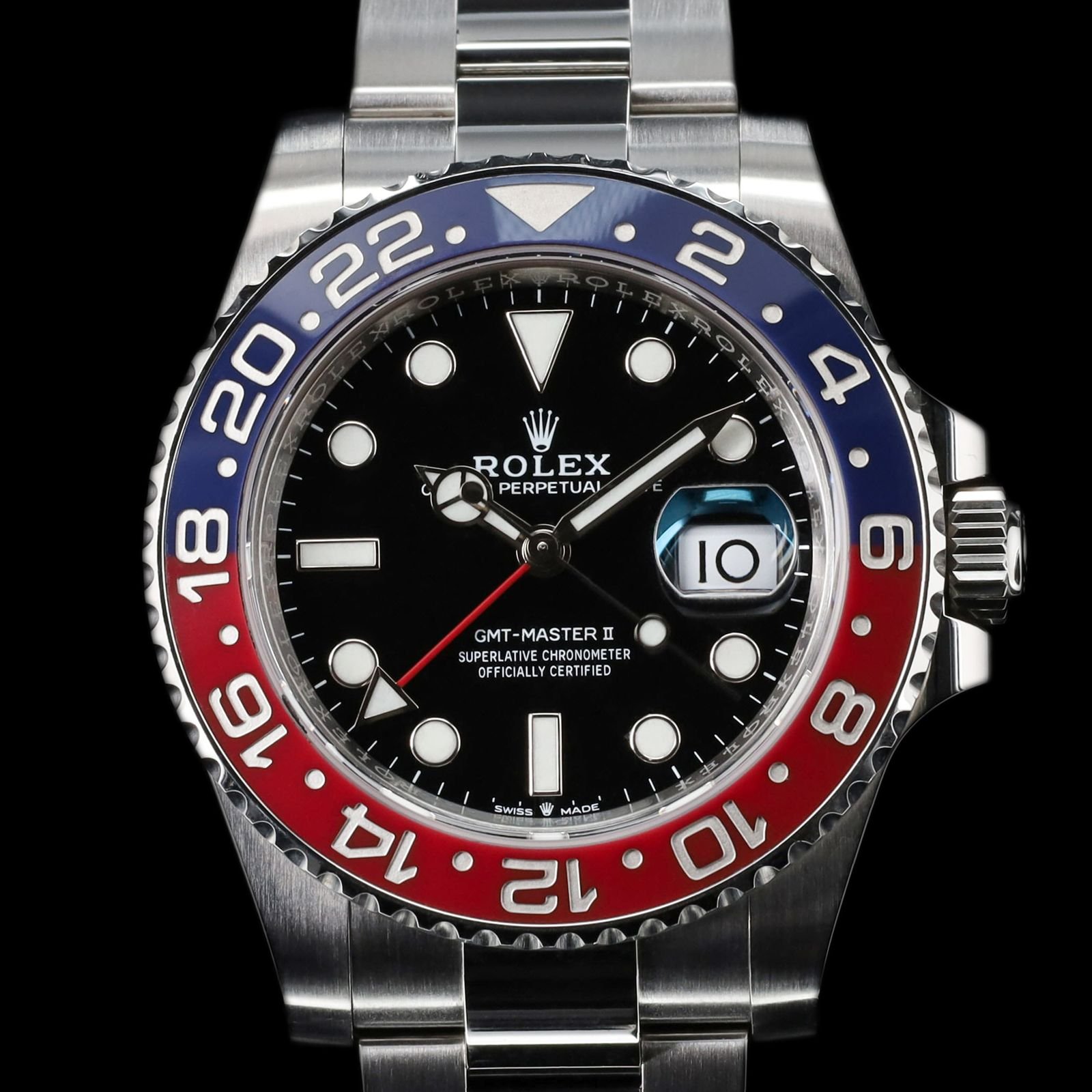
Comparing ceramic vs aluminum watch bezels is less about finding one universally superior material than deciding how you want a watch to age. Ceramic usually resists everyday scratches and color change far better. Aluminum is softer, more likely to mark, and often develops the faded character associated with older tool watches. Yet hardness is not the whole story: a sharp impact may dent aluminum while chipping ceramic, and replacement cost can turn a small cosmetic accident into a meaningful ownership expense.
This guide explains what the materials actually do, where marketing shorthand becomes misleading, and what to inspect when buying a new or pre-owned dive or GMT watch. It focuses on the insert—the colored ring carrying minute or 24-hour markings—not every component in the complete rotating bezel assembly.
Ceramic vs Aluminum Watch Bezels at a Glance
- Choose ceramic if you want strong scratch resistance, stable color, crisp markings, and a bezel that stays visually fresh.
- Choose aluminum if you prefer a lighter, more traditional look, accept scratches and fading, or want wear to become part of the watch’s character.
- Neither is indestructible. Ceramic can chip or fracture under a concentrated blow; aluminum can scratch, gouge, dent, and lose surface color.
- Serviceability depends on the watch. Availability and price of a genuine replacement insert matter more than generic assumptions about the raw material.
What Is the Bezel Insert?
On many sports watches, the visible scale is a separate insert fitted into a metal bezel ring. The ring provides structure and engages the click mechanism; the insert supplies the color and markings. Some designs use a one-piece bezel or a different construction, so never assume that every ceramic-looking surface can be replaced independently.
A dive bezel normally counts elapsed minutes and rotates in one direction so an accidental knock cannot indicate more remaining dive time than intended. A GMT bezel usually carries a 24-hour scale and may rotate in both directions. The material does not determine those functions. A beautifully made ceramic insert can sit in a poor bezel mechanism, while a modest aluminum insert can be mounted in a precise, durable assembly.
How Ceramic Watch Bezels Are Made
“Ceramic” in watchmaking generally means an engineered technical ceramic rather than household pottery. Brands form and fire the material, then machine, polish, or finish it and fill or coat the recessed markings. Exact compounds and processes vary. That variation matters: pigment, surface texture, engraving, and the way numerals are filled can differ significantly between manufacturers.
Rolex describes its Cerachrom components as exceptionally hard, corrosion resistant, and unaffected by ultraviolet rays. Its own material is a useful example of what a premium ceramic system aims to achieve, but the claim should not be generalized to every inexpensive insert. Manufacturing quality, geometry, thickness, and how the insert is supported all influence real-world performance. Readers can review the brand’s current material statements in the official Rolex ceramic components overview.
How Aluminum Watch Bezels Are Made
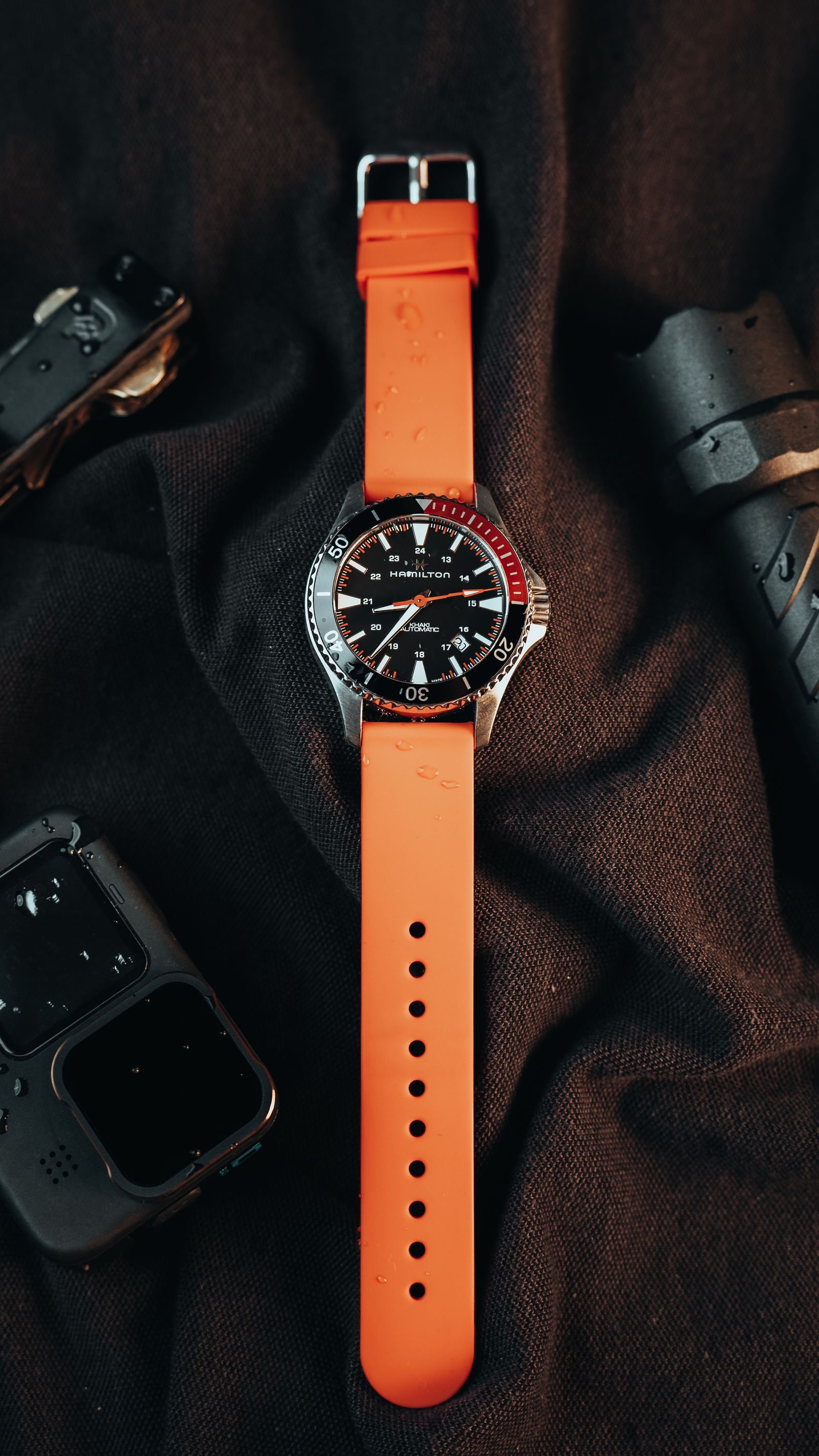
Aluminum inserts are typically shaped from thin metal and anodized to create a colored, protective oxide layer. Markings may be printed, engraved, or filled depending on the design. Aluminum is light, easy to form, and capable of rich matte or metallic colors. For decades it was the normal choice on professional dive and travel watches, so it is closely tied to the visual language of vintage tool watches.
The colored surface is not immune to abrasion or environmental exposure. Repeated contact, ultraviolet light, salt, chemicals, and time can alter its appearance. The result may be unattractive damage or appealing patina depending on uniformity, provenance, and the owner’s taste. A naturally faded insert on a period watch can be desirable; artificial aging or an undisclosed replacement is a different matter.
Scratch Resistance: Ceramic Wins, With an Asterisk
Ceramic’s clearest practical advantage is surface hardness. Normal desk contact, sleeves, buckles, and light encounters with household objects are less likely to leave visible marks than they are on anodized aluminum. Owners who dislike the first bezel scratch often find ceramic reassuring.
That does not make ceramic “scratch-proof.” A sufficiently hard abrasive, damaged surface coating, or contact involving grit can still leave a mark. Sometimes what looks like a scratch is transferred material sitting on the surface; sometimes it is permanent. Testing it with improvised abrasives is a bad idea because the numeral fill and adjacent metal may be easier to damage than the ceramic itself.
Aluminum accepts scratches readily because it is softer. Fine marks may gradually blend into a consistent worn finish, while a deep gouge remains obvious. Polishing is rarely a sensible restoration method: removing material can erase the anodized color, soften printed details, and make the insert look less original.
Impact Resistance: Hardness Is Not Toughness
People often use “hard” and “durable” as synonyms, but materials can fail differently. Ceramic strongly resists deformation and surface abrasion, yet it is comparatively brittle. A concentrated strike at an exposed edge may create a chip or crack. Aluminum is more ductile, so a similar impact is more likely to leave a dent, nick, or bend rather than a brittle fracture.
This does not mean ceramic bezels commonly shatter in ordinary use. Their shape, thickness, backing, and mounting are designed for wristwatch duty. It means the failure mode is less gradual. Aluminum tends to accumulate visible evidence of many small encounters; ceramic may look pristine until one unfavorable impact causes a conspicuous defect.
Color, Finish, and Long-Term Aging
Ceramic is the safer choice when color stability matters. Premium ceramics can retain a deep, consistent tone under sunlight and salt exposure, and engraved scales keep their crisp dimensional appearance. Glossy black ceramic can look almost liquid under direct light, while brushed or matte ceramic offers a quieter effect. “Ceramic” does not automatically mean shiny.
Aluminum’s color lives closer to the surface and changes more visibly. Black can soften toward gray; blues may become lighter; the luminous pip and printed scale can age at a different rate. Collectors often value this because it makes each older watch individual. Buyers who expect permanent showroom condition may see exactly the same changes as deterioration.
Be skeptical of claims that all fading proves authenticity or age. Replacement inserts can be old, original inserts can remain unusually bright, and chemical treatment can imitate patina. Evaluate the bezel alongside the dial, hands, case wear, reference, and service history.
Weight and Wearing Experience
The insert itself is small, so the weight difference is rarely decisive on the wrist. Case material, bracelet, clasp, crystal, and overall dimensions dominate. Aluminum is extremely light, but choosing an aluminum-bezel watch does not guarantee a lighter complete watch. Ceramic inserts also vary in thickness and may be paired with larger modern cases.
Visual weight matters more. Ceramic often gives a sharp, saturated, contemporary impression. Aluminum usually appears thinner, flatter, and more traditional. Under diffuse light, an aluminum insert may integrate quietly with a brushed tool-watch case; polished ceramic can become a focal point.
Replacement Cost and Repair Reality
Do not buy on the assumption that an aluminum insert is always cheap or a ceramic one is always expensive. A current mass-produced aluminum insert may be affordable, while a correct vintage example can be rare and costly. A proprietary ceramic component may require replacement of a larger bezel assembly rather than the insert alone. Brand policy, parts availability, and reference-specific construction set the real bill.
Ask an authorized service center or qualified independent watchmaker three questions before buying an expensive sports watch:
- Is the insert available separately from the bezel assembly?
- Will replacement require surrendering the damaged original part?
- Could a service replacement change the watch’s appearance or collector value?
Never pry an insert out at home. A slip can damage the bezel ring, crystal edge, case, click spring, or sealing surfaces. Adhesive, gasket, or interference-fit systems also require model-specific handling.
What to Inspect on a Pre-Owned Watch
For a ceramic insert
- Examine the outer and inner edges under angled light for chips or hairline cracks.
- Check filled numerals for missing material, staining, or uneven repair.
- Rotate the bezel through a full cycle and confirm that damage is not affecting clearance.
- Compare color and font with verified examples of the exact reference, not merely the same brand.
For an aluminum insert
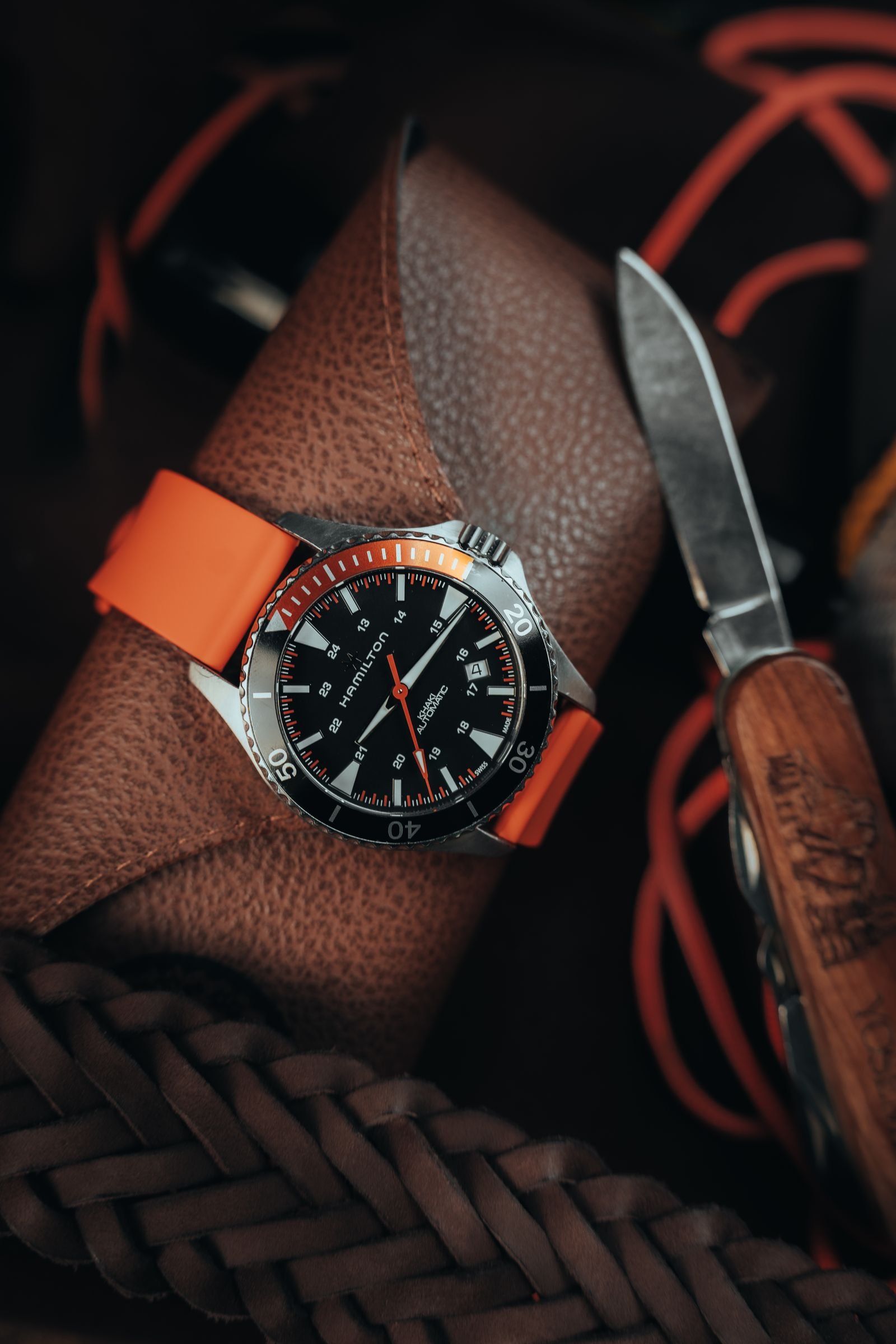
- Look for dents that distort the scale or cause the insert to lift.
- Judge whether fading and scratches are consistent with the rest of the watch.
- Inspect the luminous pip and printed markings for crude replacement work.
- Ask whether the original insert accompanies the watch if a service replacement is installed.
The insert alone cannot authenticate a luxury watch. If the rotating assembly itself feels rough or refuses to move, Galosom’s guide to a stuck or hard-to-turn dive bezel explains when cleaning is safe and when to stop. Confirm the exact watch reference before relying on any visual comparison.
Which Material Fits Your Ownership Style?
Ceramic makes sense for a daily wearer who wants the bezel to remain clean and legible with minimal cosmetic change. It is also attractive on a travel watch, where luggage hardware and frequent handling create opportunities for light abrasion. The tradeoff is accepting a less forgiving failure mode and potentially higher replacement cost.
Aluminum suits owners who enjoy traditional proportions, matte color, and visible aging. It can be a rational choice for a hard-use watch because a dent may be preferable to a chip, but it will show routine wear sooner. It is not automatically the budget option once vintage originality enters the equation.
If you rotate several automatic sports watches, storage and winding habits matter more to movement health than the bezel material. A well-fitted cushion should keep the case and bezel away from cabinet edges; Galosom’s guide to choosing a watch winder explains how cushion fit and stable placement protect a collection.
Care Tips for Both Materials
- Rinse a water-resistant watch with fresh water after salt exposure, but only when the crown is secured and the watch is known to be pressure-safe.
- Use a soft cloth and manufacturer-approved cleaning method; avoid abrasive compounds and aggressive chemicals.
- Do not rotate a gritty or jammed bezel by force. Sand or damaged parts can score the insert and bezel ring.
- Remove the watch for work involving stone, tools, or hard metal edges.
- Photograph an original vintage insert before service and state clearly whether you authorize replacement.
Frequently Asked Questions
Is a ceramic watch bezel unbreakable?
No. It is highly resistant to ordinary scratches but can chip or crack under a sharp, concentrated impact. Scratch resistance and impact toughness are different properties.
Do all aluminum bezels fade?
Not at the same rate. Anodizing quality, pigment, sunlight, salt, chemicals, abrasion, and storage all affect appearance. Modern aluminum can remain attractive for years, while older inserts may show substantial change.
Can a scratched aluminum bezel be polished?
Polishing can remove the colored surface and soften markings, so replacement or preserving the wear is usually safer. Consult a watchmaker before altering an original vintage insert.
Can a chipped ceramic bezel be repaired?
A cosmetic fill is unlikely to restore factory strength or finish. Proper service usually means replacing the affected insert or assembly, subject to parts availability.
Which bezel is better for a dive watch?
Both can work well. Ceramic better resists abrasion and color change; aluminum tends to deform rather than fracture. Bezel action, legibility, lume, water-resistance maintenance, and service support are more important than material alone.
Does changing a bezel insert affect resale value?
It can, especially on vintage or collectible references. A documented factory service replacement may be acceptable to many buyers, but an original period insert can carry a premium. Keep invoices and any returned parts.
Conclusion
The ceramic-versus-aluminum decision is really a choice between two kinds of durability. Ceramic preserves its surface and color remarkably well but can suffer abrupt damage from the wrong impact. Aluminum marks and ages sooner, yet those changes are gradual and may become part of the watch’s appeal. Buy according to your wear pattern, tolerance for patina, and access to reference-correct service parts—not a single hardness claim.
Related Reading
Continue with Galosom’s guide to a stuck or hard-to-turn dive bezel, then compare how Watch Winder Mall explains bezel details in a pre-owned Submariner inspection.