
Dive Watch Bezel Stuck or Hard to Turn? Causes, Safe Cleaning, and Repair Signs
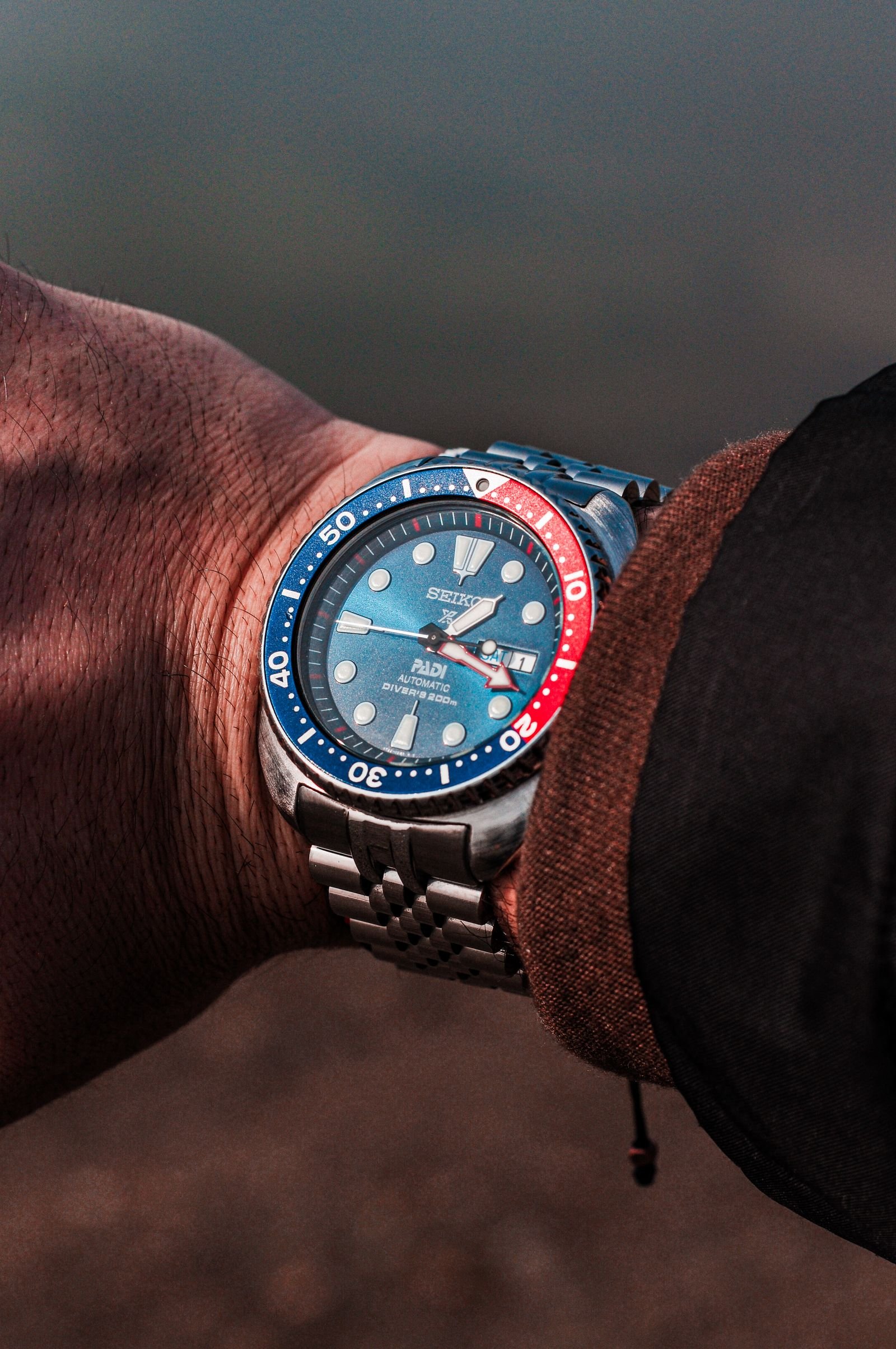
A dive watch bezel should feel deliberate, not effortless. Its clicks may be firm, and some bezels feel slightly tighter when wet, but the ring should still advance predictably in its designed direction. When a bezel suddenly becomes gritty, unusually stiff, or completely stuck, forcing it is rarely the right response. Sand, dried salt, skin oils, corrosion, a distorted insert, or damage to the click mechanism can all produce similar symptoms, yet they do not require the same remedy.
In many cases, a recently stiff dive watch bezel can be improved with a careful fresh-water rinse. That advice only applies when the watch is suitable for water exposure, its crown is fully secured, and its water resistance is current. Vintage watches, damaged crystals, uncertain seals, or watches with recent moisture inside the case need professional inspection instead. This guide explains how to diagnose a dive watch bezel that is hard to turn, what you can safely try at home, and when to stop before a minor cleaning problem becomes an expensive repair.
How a Rotating Dive Watch Bezel Is Supposed to Feel
Most traditional dive-watch bezels rotate counterclockwise only. This safety convention means an accidental knock can indicate more elapsed time, not less. The bezel commonly consists of an outer ring, an insert carrying the minute scale, a retaining arrangement, and a click spring or ratchet that controls direction and indexing. Designs vary considerably, however. Some use a wire spring, some use small spring-loaded components, and internal rotating bezels are operated by a crown rather than by gripping an external ring.
Normal action is model-specific. A 60-click bezel moves in one-minute increments, while a 120-click design allows half-minute steps. Some watches have a heavier detent, more back play, or a different sound from the factory. Grand Seiko’s operating instructions explain that a diver’s bezel is unidirectional, while Seiko’s pre-dive guidance says the bezel should turn smoothly and should be neither too loose nor too tight. The useful comparison is therefore not another brand’s bezel but how your own watch felt before the problem appeared.
A little resistance is not automatically a fault. Warning signs include a sudden change after swimming, a scraping sensation, resistance at one particular point, a ring that rises unevenly, missing or irregular clicks, excessive vertical movement, or a bezel that turns both ways when it should be unidirectional. Do not rely on force to “wear it in.” Repeated forcing can deform a spring, damage teeth, crack an insert, or drag abrasive grit across finished surfaces.
Why a Dive Watch Bezel Becomes Stuck or Hard to Turn
The timing ring sits in an exposed gap around the case, so contamination is the most common explanation. Fine beach sand can enter beneath the bezel even when the case itself remains perfectly sealed. Salt water dries and leaves crystals in narrow spaces. Sunscreen, soap residue, sweat, dust, and skin oils can combine into a sticky film that traps harder particles. A bezel that became stiff immediately after a beach trip is more likely to be contaminated than one that gradually deteriorated in a display box.
- Sand or grit: Hard particles create a scratchy feel and may jam the ring at a specific position. Continuing to rotate it can score the case or bezel underside.
- Dried salt: Salt deposits can bind moving surfaces and promote corrosion if they remain trapped. Fresh-water rinsing after sea use is preventive maintenance, not merely cosmetic cleaning.
- Sticky residue: Sunscreen, perspiration, soap, and dirt can reduce clearance and make clicks feel muted or heavy.
- Corrosion: Rust or oxidation around a spring or retaining surface may cause persistent stiffness, especially on an older watch or one not rinsed after salt exposure.
- Impact damage: A knock can distort the bezel, dent its edge, displace the insert, or damage the click mechanism. Resistance concentrated at one point often suggests a geometry problem.
- Incorrect assembly: A poorly seated spring, wrong gasket, excess lubricant, replacement insert, or improperly fitted aftermarket bezel can alter action after service or modification.
Temperature can also change how a bezel feels, but a dramatic or lasting change deserves investigation. Some older Seiko instructions note that bezel rotation can become harder in water by design. That is different from a bezel that remains seized after the watch is clean, dry, and back at room temperature.
Check Water-Resistance Safety Before Cleaning
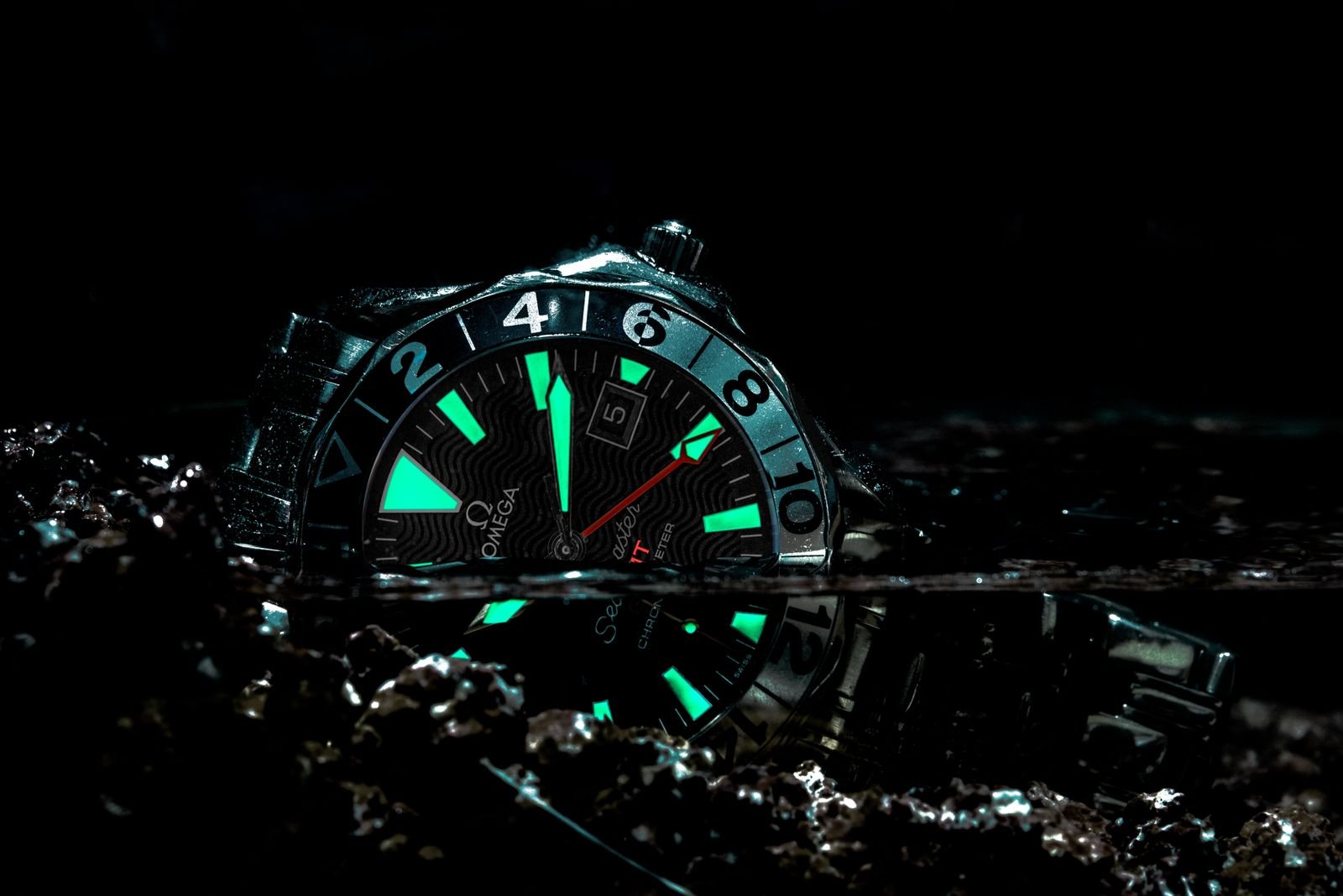
Do not place a watch in water merely because “diver” appears in its name or a depth rating is printed on the dial. Water resistance depends on the current condition of the crystal, case back, crown, tube, pushers, and gaskets. It can deteriorate with age, impact, prior opening, or poor service. A rating from the day the watch left the factory is not proof of its condition today.
Use dry professional cleaning if the watch is vintage, the service history is unknown, the crown does not secure correctly, the crystal or case is damaged, or moisture has ever appeared beneath the crystal. The same caution applies after a hard impact. A watchmaker can conduct an appropriate dry pressure test before any wet-cleaning attempt.
If the watch has recently passed a water-resistance test and is intended for immersion, close the crown completely according to its instructions. Do not operate the crown or pushers while the watch is wet. Seiko’s official post-dive guidance recommends washing seawater away in a bowl of fresh water rather than directing faucet pressure at the watch, then drying it thoroughly. Manufacturer instructions for your exact reference always take priority over generic cleaning advice.
A Safe First Cleaning for a Gritty or Stiff Bezel
When water exposure is known to be safe and the problem began after swimming or dusty outdoor use, start with the least aggressive method. You need a clean bowl, room-temperature fresh water, a clean microfiber cloth, and patience. Avoid hot water because rapid temperature changes and heat are unnecessary risks for seals.
- Inspect before wetting. Look for a chipped crystal, lifted insert, bent bezel edge, open crown, or visible gap. If anything appears displaced, stop and use a watchmaker.
- Secure the watch. Fully screw down or press in the crown as specified. Remove a leather strap if possible so it is not soaked unnecessarily.
- Rinse gently. Place the case in clean fresh water. This helps dissolve salt and loosen loose debris without blasting particles deeper under the ring.
- Move the bezel lightly. If it will rotate without high force, turn it slowly in its normal direction while submerged. Work through several rotations so clean water can circulate beneath it. If it binds sharply or sounds abrasive, stop rather than grinding the contamination around the case.
- Refresh the water. Visible grit in the bowl means the first rinse is doing useful work. Replace dirty water rather than continuing to bathe the watch in suspended particles.
- Dry completely. Pat the watch with a microfiber cloth and let remaining water drain naturally. Do not use compressed air, a hair dryer, or direct heat.
A tiny amount of mild soap is sometimes suggested for exterior watch cleaning, but follow the manufacturer first. Soap can leave residue, damage some strap materials, and is not a substitute for dismantling a contaminated bezel. Do not push a toothbrush, dental floss, paper edge, or metal tool into the gap. These methods may scratch surfaces, dislodge a gasket, or force debris into a tighter space.
What Not to Put Under a Watch Bezel
Do not spray WD-40, penetrating oil, household lubricant, alcohol, solvent, or general-purpose cleaner around the bezel. A product that frees a garage hinge can attack adhesives, polymers, painted inserts, coatings, or seals. It may also migrate across the case and complicate later service. Even watch-grade silicone grease is not a universal external fix; the correct lubricant and amount depend on the bezel construction, and excess grease attracts contamination.
Avoid forcing the bezel with rubber balls, pliers, tape-wrapped tools, or a case clamp. Increased grip makes it easier to transmit damaging torque. Likewise, do not pry the ring off with a knife. Many online demonstrations make bezel removal look simple, but retaining systems differ. Thin click springs can fly away or bend, ceramic inserts can crack, and an opener can cut a deep groove in the case.
Ultrasonic cleaning is not a safe whole-watch shortcut. Professional watchmakers may clean detached bracelets or disassembled external components ultrasonically, but immersing a complete mechanical watch introduces unnecessary risk. If flushing does not restore normal action, controlled disassembly and inspection are the next step.
When the Stuck Bezel Needs a Watchmaker

Book professional service when the bezel remains stuck after a gentle rinse, the watch cannot safely be wetted, or the change followed an impact. A competent watchmaker can remove the bezel with the correct protective tools, document its spring and retaining system, clean the parts separately, inspect for corrosion or distortion, replace damaged components, and reassemble it with the specified lubrication where required.
Seek prompt attention if the bezel is visibly tilted, the insert is lifting, rotation catches at the same point, or metal dust appears near the gap. Irregular clicks, loss of unidirectional action, or a bezel that can be pulled upward also indicate mechanical rather than superficial contamination. For an actual diving instrument, do not dive with suspect bezel action: elapsed-time indication is a safety function.
Ask whether the repairer will protect the insert and case finish, whether replacement parts are original or aftermarket, and whether water resistance will be tested afterward if the case is opened or seals are disturbed. The external bezel usually is not what seals the movement, but service activity and the watch’s overall condition still justify verification before returning it to water.
How to Prevent a Dive Watch Bezel From Sticking Again
Prevention is simple: after exposure to sea water, rinse a water-safe watch promptly in fresh water and dry it thoroughly. Rotate the bezel gently during the rinse if manufacturer guidance allows it. This flushes dissolved salt and loose particles before they harden in the narrow gap. Pool water, sunscreen, and heavy perspiration also deserve a rinse because residue accumulates even when no sand is visible.
Before diving, verify that the watch is operating, the crown is secure, the case and crystal are undamaged, and the bezel turns smoothly without being excessively loose or tight. Regular divers should follow the brand’s pressure-testing and gasket-service schedule. A water-resistance test evaluates sealing; it does not automatically clean the bezel, so mention any change in its action when booking service.
Store the watch clean and dry. Do not repeatedly spin the bezel as a fidget when grit may be present, and do not treat an unusually tight ring as a challenge. Early cleaning is cheaper than replacing a scored bezel assembly or discontinued insert.
Frequently Asked Questions
Can I use WD-40 on a stuck watch bezel?
No. Household penetrating products can affect adhesives, finishes, plastics, and seals, and may migrate where they do not belong. Use a gentle fresh-water rinse only when water resistance is verified; otherwise use a watchmaker.
Should a dive watch bezel be difficult to turn?
It should have positive resistance and clear indexing, but it should not require extreme force, grind, or bind. Compare it with its previous action and the manufacturer’s description for that model.
Why did my bezel get stiff after swimming in the ocean?
Sand and drying salt are common causes. Fresh-water rinsing soon after sea exposure helps remove both. If gentle rinsing does not improve it, corrosion, impact damage, or a spring problem may require disassembly.
Can I remove a dive watch bezel myself?
It is possible on some models, but not broadly advisable. Retaining systems differ, and the risks include scratched cases, bent springs, lost parts, and cracked inserts. Valuable, ceramic-bezel, vintage, and unfamiliar watches should go to a qualified repairer.
Does a stuck bezel mean the watch is no longer waterproof?
Not necessarily. An external bezel normally does not create the case seal. However, impact, corrosion, age, or poor prior service can affect both systems, so uncertain water resistance should be pressure-tested rather than assumed.
Can I dive while the bezel is stuck?
No. A dive bezel is used to track elapsed time. If it cannot be set and read reliably, do not depend on the watch as diving equipment until the bezel is repaired and the watch’s water resistance is confirmed.
Conclusion
A dive watch bezel that is hard to turn is often warning you about contamination, not asking for more force. If the watch is demonstrably water-safe, a patient fresh-water rinse and gentle rotation may dissolve salt and release loose grit. Stop if the bezel grinds, catches, remains seized, or shows signs of impact. Avoid oils, solvents, prying tools, and improvised leverage. Professional cleaning is the sensible next step when the problem survives a rinse, and preventive fresh-water care after swimming will keep most bezel mechanisms clicking cleanly for longer.