
How to Spot a Fake Tudor Black Bay: A Practical Authentication Checklist
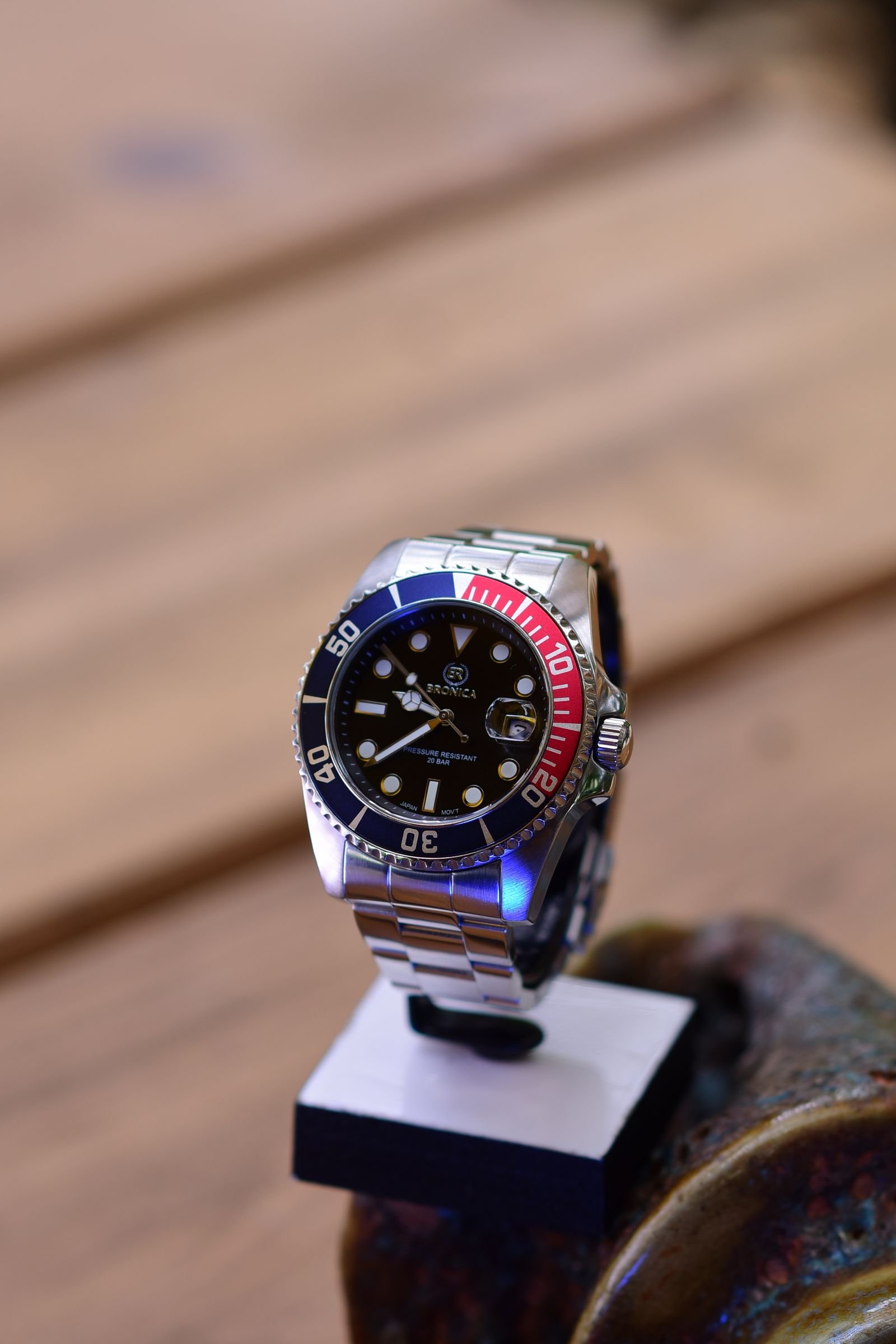
A Tudor Black Bay can look simple at first glance: a round dive-watch case, a snowflake hour hand, a rotating bezel, and a shield on the dial. That apparent simplicity is exactly why casual authentication is risky. The collection spans multiple generations, sizes, movements, bracelets, dial signatures, and reference numbers. A detail that is correct on one Black Bay may be wrong on another, while an aftermarket strap or replaced service component does not automatically make the entire watch counterfeit.
The safest way to spot a fake Tudor Black Bay is to identify the exact reference first, then compare the watch as a complete system. Dial printing, case dimensions, bezel action, bracelet construction, serial markings, movement, and paperwork should all tell the same story. No single photograph, serial-number lookup, or sweeping-seconds test can provide certainty. This checklist helps you screen a watch before purchase and recognize when professional inspection is necessary.
Start With the Exact Tudor Black Bay Reference
Do not authenticate a watch against a generic image search for “Tudor Black Bay.” The family includes the original 41 mm Black Bay, Black Bay 58, Black Bay 54, Black Bay Bronze, Black Bay GMT, Black Bay Pro, chronographs, ceramic models, and other variants. Even within the time-only line, case size, crown tube, dial text, bezel color, bracelet, and caliber can change by generation.
Ask the seller for the full reference from the guarantee card, invoice, hang tag, or case documentation. Then find the matching model in Tudor’s official archive or current collection. Record the stated case diameter, material, water resistance, crystal, movement, power reserve, bracelet or strap options, and dial configuration. For example, the current 41 mm Black Bay uses the Manufacture Calibre MT5602-U, while earlier and smaller references can use different Tudor manufacture or ETA-based calibres. Seeing a genuine-looking movement is not enough if it is the wrong movement for that reference.
Also confirm the claimed year. Tudor has changed logos and dial wording over time. Some earlier Black Bay models use the Tudor rose on the dial, while later models commonly use the shield. “Smiley” text, straight text, depth ratings, chronometer wording, and crown details must be judged within the correct production period. A mixed set of individually plausible details can reveal a counterfeit or a watch assembled from mismatched parts.
Inspect the Dial, Hands, and Lume Under Magnification
The dial is the easiest area to photograph and one of the first places to look for inconsistency. Use sharp, straight-on images in neutral light rather than heavily processed seller photos. Compare them with official images of the exact reference, not another Black Bay that happens to share the same color.
- Logo and lettering: The Tudor shield or rose should have clean geometry, even edges, and the appropriate spacing for the reference. Printed letters should remain crisp under magnification, with consistent stroke weight and alignment.
- Minute track: Markers should be evenly spaced and centered in relation to the applied hour plots. Look for crooked printing, uneven gaps, or a track that appears shifted relative to the dial.
- Snowflake hand: Check the proportions, surface finish, lume boundaries, and alignment. Counterfeits may reproduce the overall silhouette while missing the sharpness of corners or using sloppy paint and lume.
- Applied markers: Metal surrounds should be neatly finished and consistently placed. Glue residue, rough edges, dust, or visibly uneven lume are warning signs, although damage or poor prior repair can also affect a genuine watch.
- Dial wording: Every line must match the exact generation, including depth rating, chronometer or Master Chronometer language, and the shape of any curved text.
Lume color by itself is weak evidence. Photographs, white balance, age, service replacement parts, and exposure history can all change how lume looks. A genuine vintage-inspired Black Bay can also have warm-toned luminous material by design. Instead, compare the application quality and the relationship between lume on the dial, hands, and bezel pip.
Check the Bezel, Crystal, Crown, and Case Geometry
A genuine Black Bay case should show deliberate transitions between polished and brushed surfaces. Examine the lug profile, crown guards where applicable, bevels, case-band thickness, and the way the end links meet the lugs. Soft edges can result from aggressive polishing, but wavy surfaces, inconsistent lug shapes, or crude machining deserve closer scrutiny.
Measure the case rather than trusting the listing. Diameter, thickness, lug width, and lug-to-lug length should be consistent with the declared reference. Small differences can occur because of measurement technique, but a substantial mismatch may mean the seller identified the model incorrectly or the case is not authentic.
Turn the bezel slowly through a full rotation. A dive bezel should move in the correct direction for the model, index positively, and align sensibly at 12. Slight play does not prove a fake, especially on a worn watch, but loose action combined with poor insert printing and an off-center luminous pip is concerning. Compare the numeral font, hashes, triangle, insert color, and edge profile with official reference photographs.
The crystal should match the model’s specified material and shape. Look at the distortion from an angle and inspect the fit against the bezel. Then examine the winding crown. The engraved Tudor emblem should be sharply defined and correctly proportioned. The crown should screw and unscrew smoothly without grinding, cross-threading, or excessive wobble. Never force it: damaged crown-tube threads can occur on genuine watches and are a repair problem, not proof of counterfeiting.
Evaluate the Bracelet, Clasp, and End Links
Bracelets are often swapped, and Tudor sells models on leather, fabric, rubber, and steel options. First establish whether the bracelet is claimed to be original to the watch. If it is, compare its link style, rivet treatment, clasp design, taper, end links, and adjustment system with the exact reference and year.
Operate the clasp several times. The parts should fit cleanly, engravings should be precise, and the locking action should feel deliberate. Modern Tudor T-fit clasps have a specific tool-free adjustment design; a superficial imitation may look convincing while operating roughly or offering the wrong adjustment range. Check that end links sit correctly between the lugs without conspicuous gaps or contact marks caused by a poor fit.
Weight can support an inspection but rarely settles it. Different straps, removed links, bronze versus steel cases, and model-specific dimensions alter the total. Sophisticated counterfeits can also approximate the correct weight. Use a scale only after confirming the reference configuration, and treat the result as one data point.
Verify Numbers and Paperwork Without Trusting Them Blindly
A serial number is not a self-authenticating code. Counterfeiters can copy a valid number from photographs of a genuine watch and repeat it across multiple replicas. Inspect the placement, font, depth, and quality of all case and clasp markings, but do not publish the complete serial number in a public listing.
Reference and serial information should be consistent with the guarantee card, sales receipt, service records, and the physical configuration. Tudor states that its guarantee depends on a watch sold by an Official Tudor Retailer and a properly completed guarantee card presented with the watch. A card can strengthen provenance, but boxes and papers are separately counterfeited, lost, or paired with the wrong watch. Conversely, a watch without its box is not automatically fake.
Ask for the seller’s original purchase history and any service invoices. Contact the named retailer independently using details from Tudor’s retailer locator rather than a phone number printed in a seller-supplied document. A reputable seller should allow enough time for due diligence and provide clear return terms if an independent inspection finds the watch inauthentic or materially misdescribed.
Use Performance Tests Carefully
A low-cost fake may contain a quartz movement with a one-second tick, but modern counterfeits often use automatic movements. A sweeping hand therefore does not prove authenticity. Likewise, a timegrapher result can reveal poor rate, low amplitude, or irregular beat, yet a generic mechanical movement can be regulated to look respectable during a short test.
Performance should correspond broadly to the correct caliber after the watch is fully wound. Tudor’s manufacture movements commonly provide model-specific chronometer certification and long power reserves, while selected newer models carry METAS Master Chronometer certification. Test power reserve only with the seller’s agreement, and compare it with the official specification for the precise reference. A short reserve can indicate a wrong movement, but it can also mean a genuine watch needs service.
Water-resistance testing is useful for ownership safety but not a home authentication trick. Never immerse an unverified used watch. A watchmaker can perform dry pressure testing without risking the dial and movement. Passing the test shows that the case seals are functioning at the test pressure; it does not prove that every component is genuine.
The Movement Is Important, but Opening the Case Is Professional Work
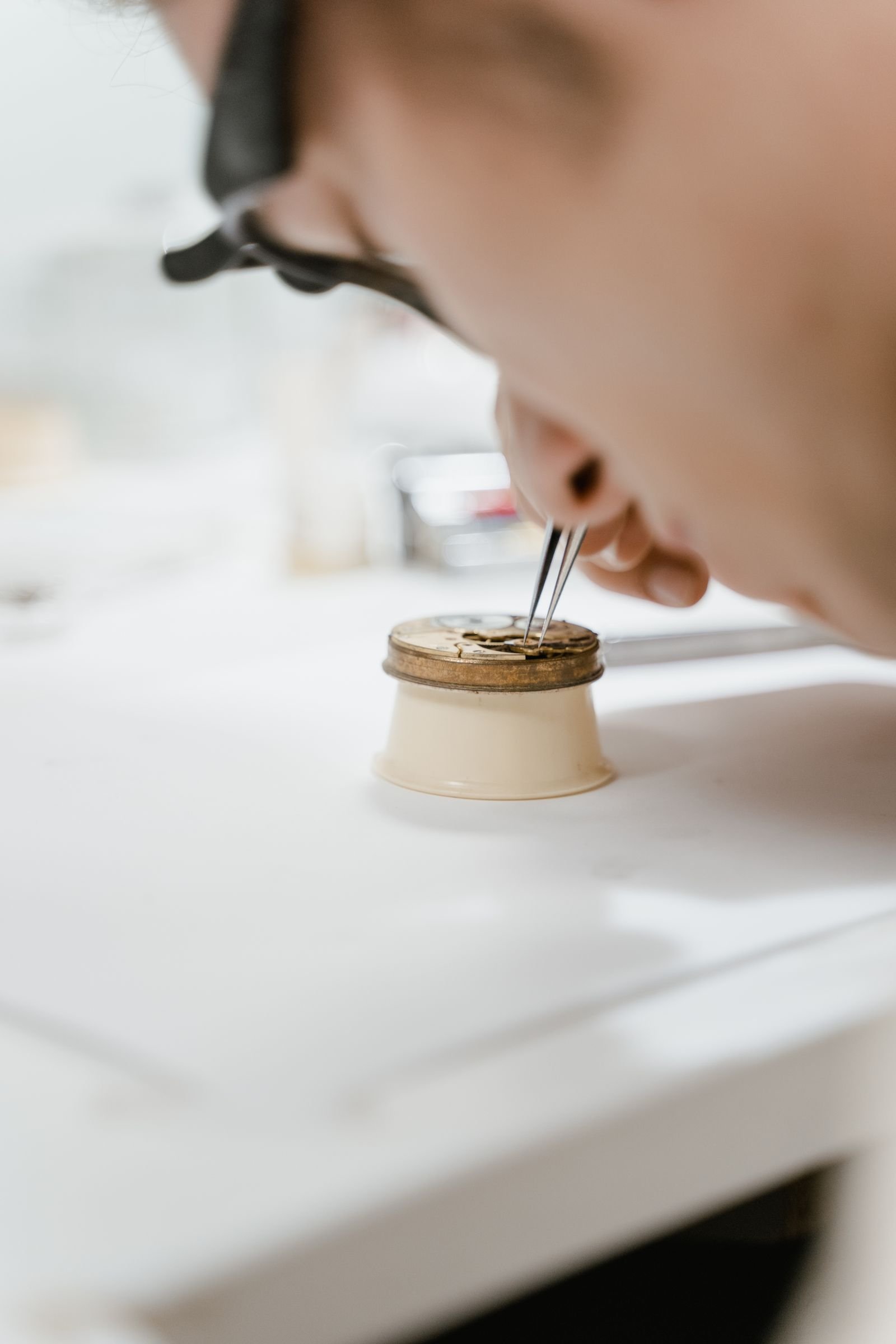
High-quality counterfeits may survive an exterior-only inspection. The movement can expose an incorrect architecture, rotor, bridge layout, balance assembly, finishing, or engraving. Tudor’s official movement information and press material provide useful reference points for calibres such as the MT5602 family, including their construction and stated performance.
Do not open the case yourself unless you are qualified and properly equipped. A slipping opener can scratch the back, damage seals, contaminate the movement, or compromise water resistance. An experienced watchmaker should photograph the movement, verify that it matches the reference, inspect markings and construction, and look for non-original components. Afterward, the case should be closed correctly and pressure-tested as appropriate.
Authentication also has a category between “fully genuine” and “completely fake.” A genuine case may contain a replacement dial, aftermarket bezel, copied bracelet, or incorrect movement parts. These so-called assembled or “Frankenwatch” examples can still be materially misrepresented and worth less than an all-original watch. Ask the authenticator to assess originality and disclosed service replacements, not merely whether some Tudor components are present.
A Safer Pre-Owned Buying Process
- Identify the full reference and approximate production period before discussing price.
- Request high-resolution, unedited photos of the dial, crown, bezel, case sides, case back, clasp, end links, and documents.
- Compare specifications and visual details with Tudor’s official page or period press material.
- Check seller identity, transaction history, return policy, and payment protections.
- Search the serial privately where appropriate, while remembering that a copied number can appear valid.
- Make the sale conditional on inspection by a qualified independent watchmaker, established authentication service, or Tudor service route.
- Use an escrow or card-based method that provides recourse; avoid irreversible payment when the seller or watch is unverified.
The seller is part of the authentication evidence. Pressure to pay immediately, refusal to provide basic photographs, inconsistent ownership stories, or a price far below the market are reasons to pause even when the watch looks good. The cost of professional inspection is small compared with the loss on a sophisticated counterfeit.
Frequently Asked Questions
Can a Tudor serial number confirm that a Black Bay is real?
No. A serial can support consistency checks, but counterfeiters may copy valid numbers. Physical construction, movement, provenance, and professional inspection still matter.
Should a real Tudor Black Bay have a rose or shield logo?
That depends on the reference and production generation. Earlier Black Bay examples can use rose branding, while many later versions use the shield. Compare only with the exact reference and year.
Does a smooth seconds hand prove authenticity?
No. Many counterfeit watches use automatic movements that produce a multi-step sweep. The motion may reveal a very cheap quartz fake, but it cannot authenticate a Tudor.
Can a genuine Tudor Black Bay have replacement parts?
Yes. Authorized service components can be legitimate, and straps are commonly changed. The seller should disclose replacements because originality affects collectability and value.
Is the box and guarantee card enough?
No. Accessories can be forged, copied, or paired with another watch. Confirm that all details match, but authenticate the watch itself.
Where should I authenticate a Tudor Black Bay?
Use a Tudor-authorized service route, an experienced independent watchmaker familiar with the model, or an established authentication provider that inspects both exterior and movement and documents its findings.
Conclusion
Learning how to spot a fake Tudor Black Bay begins with reference-specific research, not a universal list of cosmetic tells. Confirm the model, compare every exterior detail in context, treat paperwork and serial numbers as supporting evidence, and insist that the movement matches the claimed watch. Most importantly, structure the transaction so an expert can inspect the watch before your payment becomes irreversible. A careful process protects you not only from obvious counterfeits, but also from mismatched parts, undisclosed replacements, and genuine watches with expensive hidden problems.