
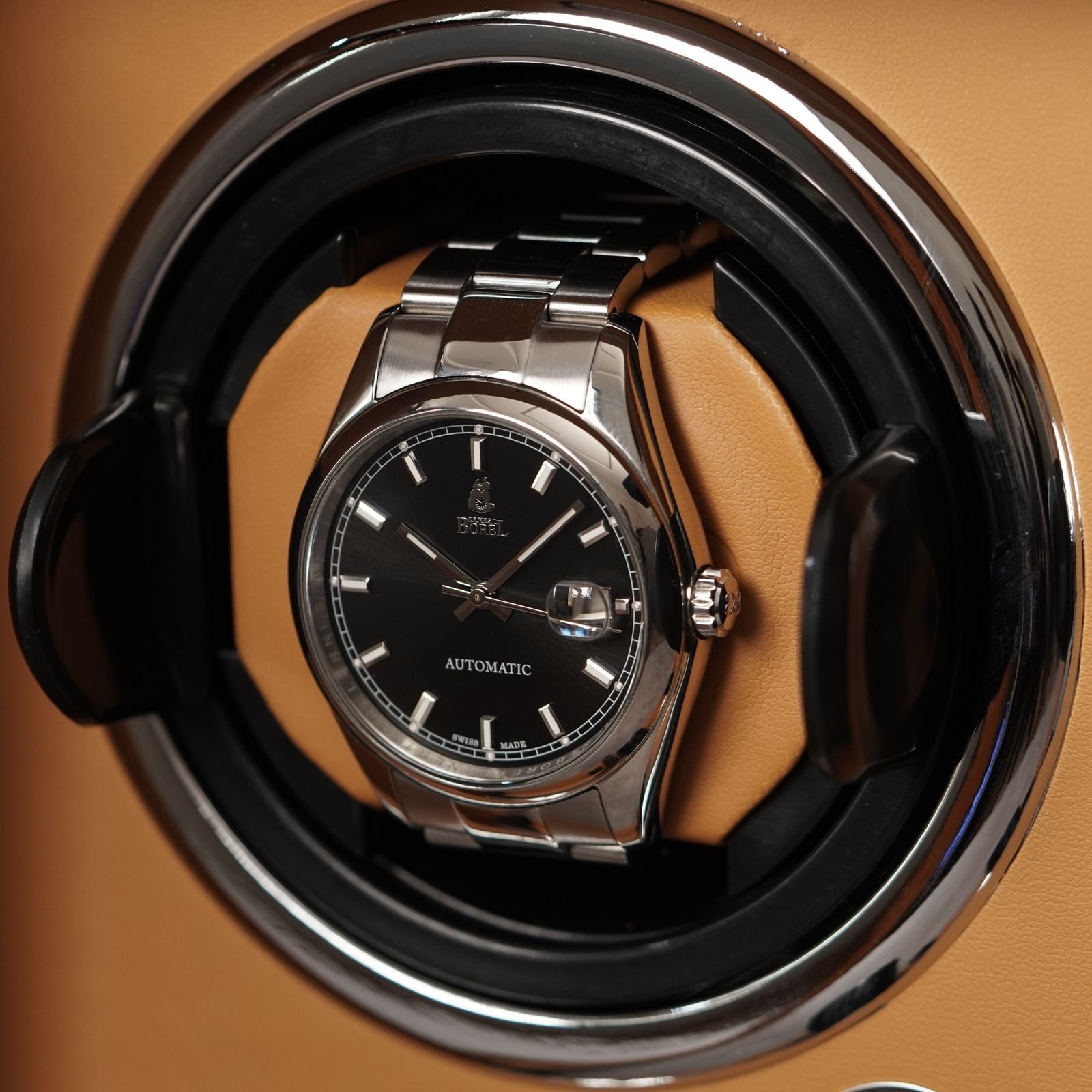
A watch winder making noise is not automatically failing. A soft motor hum, a brief click when rotation starts, or a faint sound from the watch’s own rotor can be normal. What matters is whether the sound is smooth and familiar or new, harsh, and accompanied by vibration, uneven rotation, heat, or stopping. This guide helps you isolate the source without opening the machine or risking the watch.
What a Healthy Watch Winder Should Sound Like
No winder is literally silent at close range. Inside the cabinet, a motor drives a gearbox that starts, stops, and changes direction. A quiet unit may produce a low hum during motion, a gentle mechanical click at a programmed transition, and a small amount of sound as gears take up load. A glass door, wooden cabinet, shelf, or hollow bedside table can make that sound seem louder than it is.
Manufacturer claims should be treated as model-specific rather than universal. Some makers describe their designs as silent because they use nylon gears, sealed gearboxes, gaskets, or brushless motors. The useful benchmark is the unit’s established behavior in the same room. If a winder has always made a faint, even hum and still rotates smoothly, that is different from a machine that suddenly develops a scrape or rhythmic knock.
Sound from the watch can also be mistaken for sound from the winder. An automatic movement contains a rotor that swings as the holder rotates. Some calibers produce an audible whir, especially when the rotor free-spins in one direction. Remove the watch and run one normal cycle. If the machine becomes quiet, the noise may come from the watch, the bracelet, or the way the watch is mounted rather than from the motor.
First Identify the Type of Noise
Record a short sample before changing anything, then listen from several feet away as well as close to the cabinet. The character and timing of the sound narrow the possibilities.
- Low, steady hum: usually normal motor operation, though a surface can amplify it.
- Single click at a start, stop, or reversal: often normal control or gearbox engagement.
- Repeated clicking at the same point in every turn: possible gear damage, an obstruction, or a holder touching the housing.
- Scraping or rubbing: the watch, cushion, drum, or an internal part may be contacting a nearby surface.
- Rattle or knock: the watch may be loose on its cushion, a bracelet may be striking the holder, or a component may have developed play.
- High-pitched buzz with slow or hesitant motion: possible power-supply trouble, excessive load, or a struggling motor.
A new sound matters more when it appears with another symptom. Stop the unit if the drum jerks, stalls, runs noticeably hot, smells unusual, or moves the watch insecurely.
Common Reasons a Watch Winder Is Making Noise
1. The Surface Is Acting Like a Soundboard
A lightweight shelf, glass top, hollow cabinet, or uneven dresser can turn mild vibration into a surprisingly loud drone. The feet may also rock if one corner is not fully supported. Place the empty winder on a solid, level surface and make sure every foot contacts it. For diagnosis, a thin non-slip rubber or felt isolation pad can help reveal whether furniture resonance is the main cause. Do not block vents or place soft material where it can interfere with cooling.
2. The Watch or Cushion Is Not Secure
A heavy watch changes the load on the motor. If the cushion is too small, the watch can lean forward and tap the drum. If it is too large, a bracelet or clasp may sit under tension and shift as the holder changes direction. Leather strap tails and loose bracelet links can also strike the cabinet rhythmically.
Power off the unit before reseating the watch. Confirm that the cushion locks fully into the drum, the case is centered, and nothing extends into the path of rotation. A properly sized pillow should hold the watch securely without stretching the strap or forcing the clasp. Galosom’s guide to choosing a watch winder explains why cushion fit and independent controls matter for different case and wrist sizes.
3. The Cabinet Is Amplifying Normal Vibration
Large multi-watch cabinets can transmit one motor’s vibration through shared panels. A door that is not fully closed, a loose removable tray, or objects stored beside the winder may buzz in sympathy. Run each bay separately if the controls allow it. Remove unrelated items from the surface and lightly touch the door or panel without obstructing the drum. If the noise changes immediately, the problem may be cabinet resonance rather than the motor.
4. The Power Source Is Unstable or Incorrect
A motor that receives the wrong voltage or insufficient current may buzz, hesitate, or restart. Use only the supplied or manufacturer-approved adapter with the specified output and polarity. Check that the plug is fully seated and that the cable is not pinched. If the model supports batteries, fresh batteries can provide a useful comparison. WOLF’s official winder support guidance, for example, advises checking batteries and the AC source when its units show a power warning.
Do not substitute a random adapter simply because the connector fits. Matching the plug does not prove that voltage, polarity, and current specifications are correct.
5. Dust or a Small Obstruction Is Touching a Moving Part
Dust around vents and accessible seams can contribute to heat and vibration, while a loose strap end or tiny object can rub the drum. With the unit unplugged, inspect only areas the owner’s manual identifies as user-accessible. Use a soft, dry cloth around the cabinet and vents. Do not spray cleaner or lubricant into openings, and do not push compressed air deep into the mechanism; either can move contamination farther inside.
6. The Gearbox, Bearing, or Motor Is Wearing
A repeated click at one angular position, grinding under load, increasing side-to-side play, or noise that remains with the holder empty can indicate internal wear. Small geared motors contain parts that can loosen or wear over time. This is not a reason to add household oil. Incorrect lubricant can attack plastics, migrate onto electrical parts, collect dust, or complicate a warranty repair.
If the model has a replaceable rotor module, contact the maker or seller with the serial number, a video, and the results of your empty-versus-loaded test. Some suppliers offer replacement motors, gearboxes, circuit boards, adapters, and pillows for supported models. Do not disassemble a mains-powered unit unless the manufacturer specifically provides a consumer repair procedure.
A Safe Ten-Minute Troubleshooting Test
- Stop and unplug the winder. Remove the watch and inspect the cushion, drum, strap, bracelet, and cabinet for obvious contact marks or looseness.
- Move it to a solid, level surface. Keep vents clear and remove nearby objects that could rattle.
- Run one empty cycle. Note whether the sound occurs during constant rotation, only at startup, or at the same point in every revolution.
- Test one bay at a time. On a multi-watch model, this can identify a single noisy module.
- Reseat the cushion without the watch. Make sure it locks in fully and does not rub the drum.
- Mount the watch securely. Center the case and contain loose bracelet or strap sections without forcing them.
- Run the same program again. If the sound appears only when loaded, compare with another appropriately sized watch or cushion if the manufacturer permits it.
- Check the approved power source. Reseat the original adapter or install fresh correct batteries.
This sequence separates room resonance, holder fit, watch noise, power trouble, and internal mechanical noise without changing several variables at once.
Could the Noise Be Coming From the Watch?
Yes. Hold the stopped winder’s cushion and watch gently in your hand, then change its orientation slowly. A brief rotor whir can be normal for the movement. Bracelet links may also click against one another. More concerning watch sounds include scraping, hard metallic knocks, or a new rattle paired with poor power reserve.
Do not shake the watch to reproduce the sound. If the watch itself is newly noisy, remove it from the winder and compare its running time after correct manual winding with its normal performance. A winder should maintain an appropriate state of wind; it cannot repair a loose rotor, worn bearing, or inefficient automatic winding system.
When to Stop Using the Winder
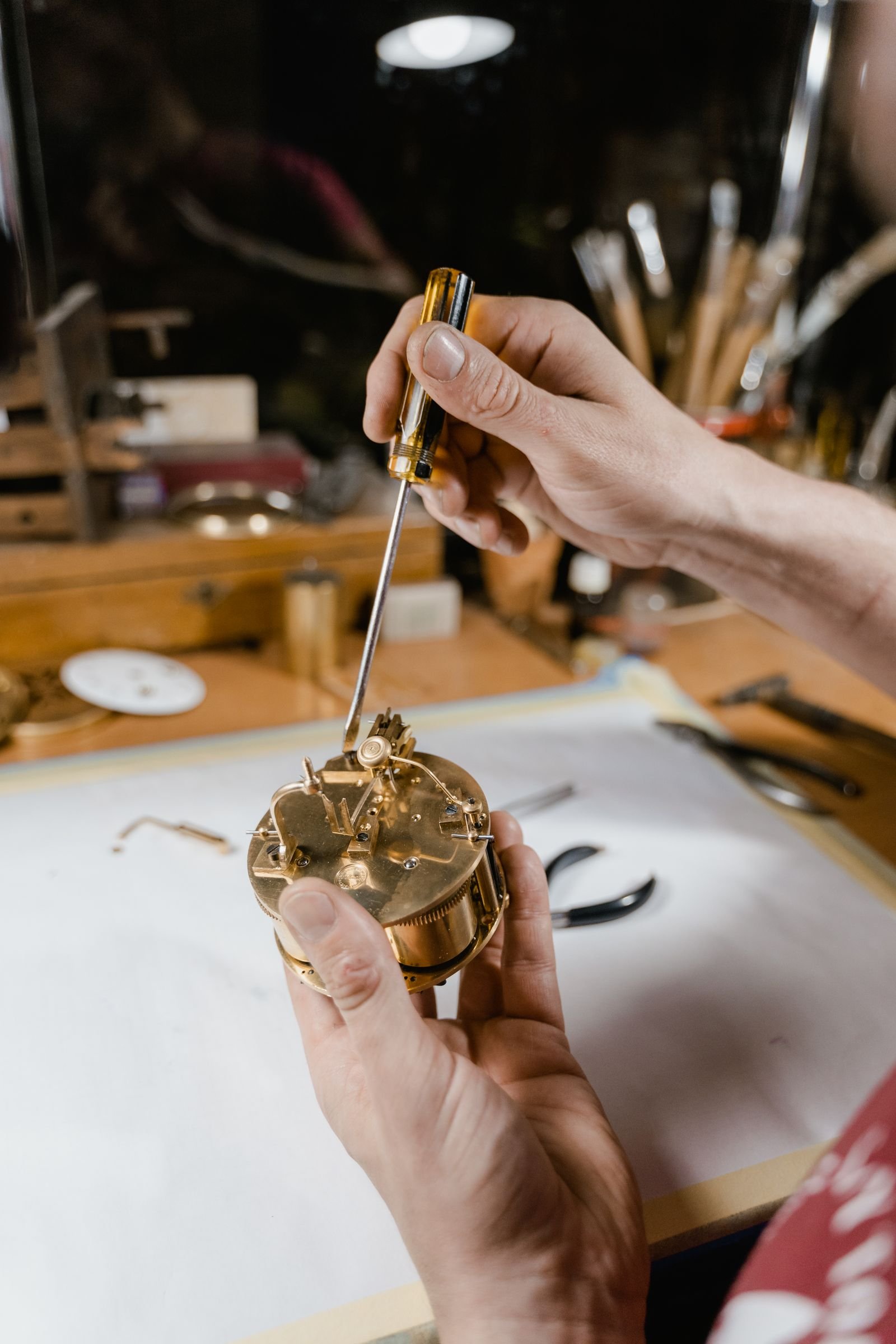
Disconnect the unit and seek support when you notice grinding, scraping, irregular speed, repeated stalling, visible drum wobble, excessive heat, an electrical smell, damaged wiring, or a watch that can no longer stay secure. Continued operation may enlarge a worn gear problem or allow the watch to strike the housing.
Also stop if noise begins immediately after the winder was dropped or shipped without adequate protection. Internal mounts can move even when the exterior looks undamaged. Keep the packaging, purchase record, serial number, and a brief video for a warranty claim. A clear description such as “three clicks at the same point on every clockwise turn, even when empty” is much more useful than “it is loud.”
How to Keep a Watch Winder Quiet
- Use a firm, level, non-resonant surface with clear ventilation.
- Choose the correct pillow size and center heavy watches.
- Use the lowest effective TPD program instead of unnecessary continuous rotation.
- Keep the cabinet clean with a dry cloth and follow the maker’s care schedule.
- Use only the specified adapter, batteries, and replacement parts.
- Check periodically for loose straps, shifted cushions, and new vibration.
Correct settings matter because a winder is designed to work in cycles, not to spin constantly. If you are unsure about turns per day or direction, use the Galosom TPD guide as a starting framework and confirm the movement’s requirements. More rotation is not a cure for weak winding or mechanical noise.
FAQ
Is a slight humming sound from a watch winder normal?
Usually, yes. A faint, smooth hum heard close to the cabinet can be normal motor and gearbox operation. Investigate if it is new, gets louder, changes rhythm, or appears with heat, vibration, stalling, or jerky movement.
Why does my watch winder click when it changes direction?
A single light click as the motor stops, reverses, or takes up gear load may be normal. Repeated clicking throughout every revolution, especially at the same position, suggests rubbing, obstruction, or internal wear.
Can I lubricate a noisy watch winder?
Not unless the manufacturer supplies a specific user procedure and approved lubricant. Household oil can damage plastic gears, migrate into electronics, trap dust, and void coverage. Contact support if empty running tests point to the motor or gearbox.
Why is the winder quiet when empty but noisy with a watch?
The watch may be off-center, too heavy for the holder, loose on the cushion, or touching the housing. The bracelet can also rattle, and the watch’s automatic rotor may be audible. Refit the correct cushion and verify clearance before running it again.
Should I keep a noisy winder in a cabinet to muffle it?
Do not use furniture to hide a new mechanical problem. A cabinet may amplify vibration or restrict airflow. First establish that the sound is normal, keep required ventilation clear, and follow the manufacturer’s placement instructions.
Conclusion
A watch winder making noise needs diagnosis, not guesswork. Start by deciding whether the sound is a familiar hum or a new scrape, rattle, or repeated click. Then compare empty and loaded operation on a solid surface, check cushion fit, and verify the approved power source. If noise remains with the unit empty or appears with wobble, heat, stalling, or electrical symptoms, stop using it and contact the manufacturer or a qualified repair provider. A careful ten-minute test can protect both the machine and the watch it was meant to care for.
Related Reading
For purchase and setup decisions, review how to choose a quiet, well-fitted watch winder. If the sound follows the watch rather than the machine, use this automatic watch rotor noise guide to separate normal movement character from service warnings.
Collector’s Pick
A practical watch-storage option selected for readers of this guide.
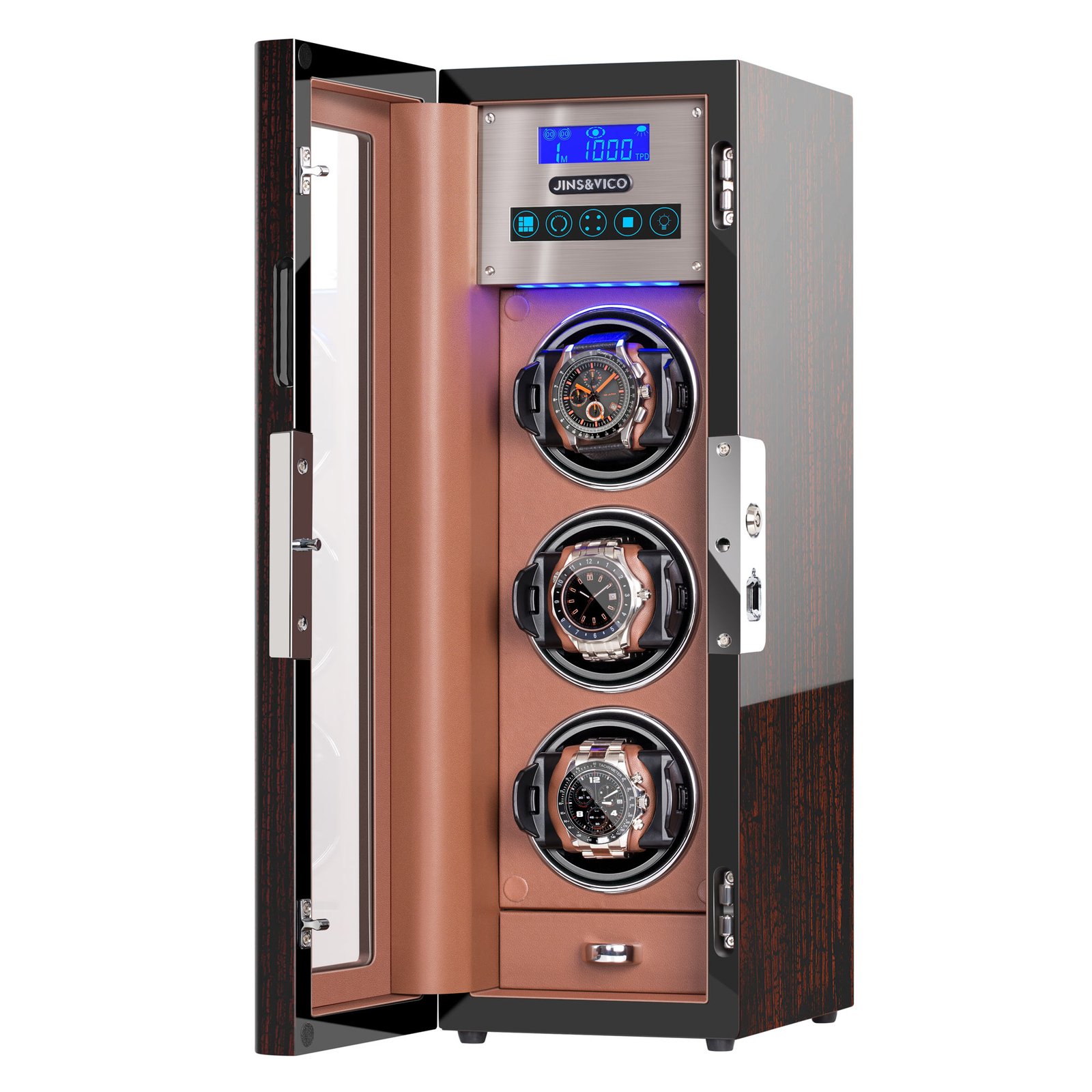
A vertical watch winder for 3 watches with fingerprint and key lock, built-in drawer, LED lighting and glossy wood exterior in a space-saving tower.