



























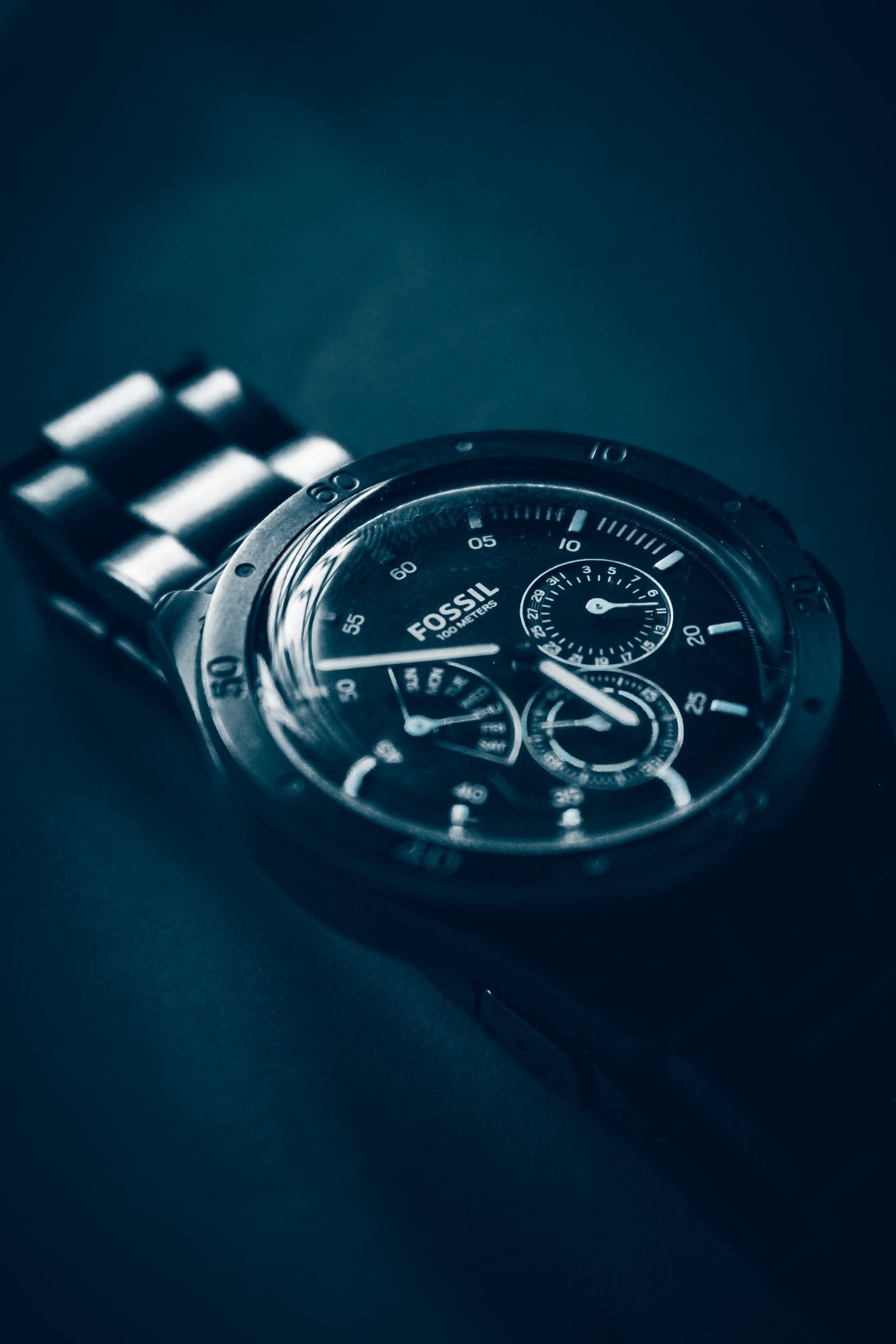
For Omega Calibre 9900 winder settings, start at 650 turns per day (TPD) in bidirectional mode. If the watch cannot maintain its reserve after a controlled two- or three-day test, move to the next available setting near 700 TPD. Some public winder charts recommend 650, while others specify 700 for automatic Omega chronographs. That small disagreement is a reason to test your particular watch and winder, not a reason to begin at an extreme setting.
The 9900 is an automatic Co-Axial Master Chronometer chronograph movement. It is not the same as the hand-wound Calibre 3861 used in the current Moonwatch Professional, so identifying the calibre matters before any programming begins. A rotating winder can maintain a 9900; it cannot wind a watch that has no automatic rotor.
Quick Omega Calibre 9900 Winder Settings
- Starting TPD: 650 total turns per day
- Direction: Bidirectional, alternating, or “both”
- Next step if needed: Approximately 700 TPD, then 750 or 800 only after another controlled test
- Preparation: Give a stopped watch a manual start before placing it on the winder
- Test period: 48 to 72 hours without wearing the watch
- Goal: The lowest program that reliably maintains charge
Check the winder manual to learn whether its displayed number is total daily rotations or rotations in each direction. “650 TPD alternating” should normally mean 650 turns in total, divided between clockwise and counterclockwise cycles. A unit that delivers 650 in each direction is actually providing about 1,300 total rotations.
Why Calibre Identification Comes First
“Omega Speedmaster” does not identify one winding system. The family includes hand-wound Moonwatch movements and several automatic chronographs. Calibre 9900 appears in automatic models such as Speedmaster Racing and selected Seamaster chronographs, while references, case sizes, and movement variants can change over time. Confirm the number on the watch’s official documentation, reference-specific manual, or Omega product record.
Omega’s user manuals distinguish automatic winding from manual-only operation and explain the crown positions and chronograph controls. Consult the official Omega reference manual for model-specific operating instructions rather than assuming that every Speedmaster follows the same routine.
Calibre 9900 is commonly documented with a 60-hour power reserve, two mainspring barrels mounted in series, automatic winding in both directions, a column-wheel chronograph, vertical clutch, Co-Axial escapement, and a free-sprung balance with silicon balance spring. The long reserve makes the watch forgiving of short gaps, but it does not tell you the exact TPD by itself. TPD depends on the efficiency of the winding train, the winder’s real output, and the starting state of charge.
Why 650 TPD Bidirectional Is a Practical Baseline
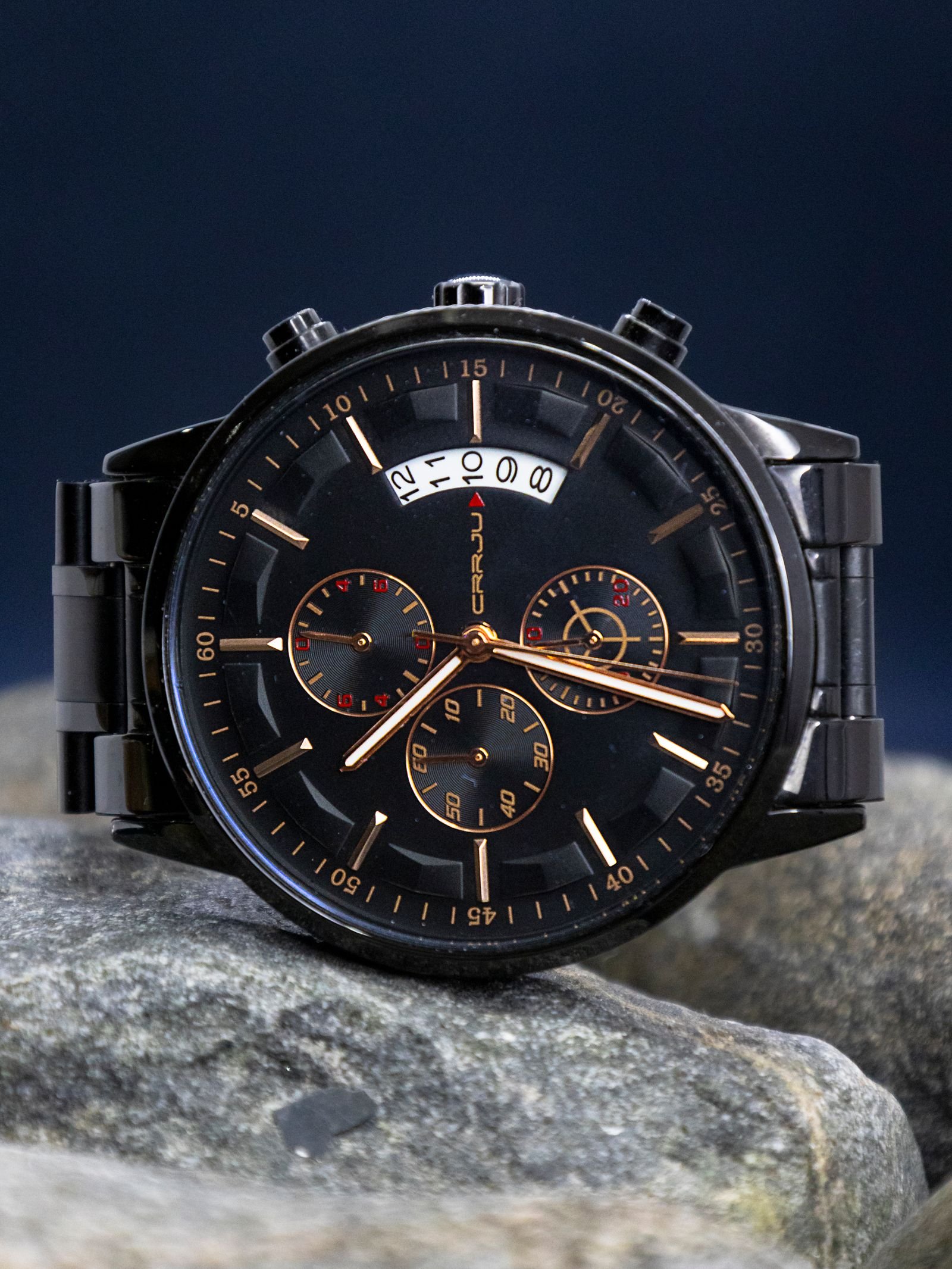
Public databases do not present one perfectly uniform number for the 9900. Several movement-level references list 650 TPD in both directions; other Omega-focused charts list 700 TPD for automatic Co-Axial chronographs. Neither figure should be presented as a universal factory command when the brand’s reference manuals do not prescribe a single program for every winder design.
Starting at 650 is useful because it is conservative, widely available on programmable winders, and close enough to 700 that a structured test can settle the question. The right number is not the setting that fills a table neatly. It is the lowest setting that replaces at least as much energy as the movement uses during the same period.
Bidirectional mode is equally important. The 9900’s automatic system accepts useful rotor motion in both directions, so alternating cycles use the mechanism as intended. A clockwise-only or counterclockwise-only program may still provide energy, but it offers no clear advantage for this movement and makes comparison with published bidirectional starting points less reliable.
If you are unfamiliar with how manufacturers count rotations, review the Galosom TPD guide before testing. The difference between total TPD and per-direction TPD can be larger than the difference between any two recommended settings.
How to Test Omega Calibre 9900 Winder Settings
1. Start with a known amount of power
A winder is designed mainly to maintain a watch, not to rescue a completely depleted mainspring quickly. If the watch has stopped, wind it manually with gentle forward crown turns according to the reference manual. Do not wait for the crown to become rigid: an automatic watch uses a slipping bridle, so full wind is not signaled by a hard stop.
2. Program 650 total TPD in both directions
Select alternating or bidirectional mode and confirm that the holder fits securely. The watch should not slide, lean heavily, or flex its bracelet around an oversized cushion. Note the start time, displayed TPD, direction, and whether the chronograph is running. For the cleanest comparison, leave the chronograph stopped during the initial test.
3. Leave the watch undisturbed for 48 to 72 hours
Do not wear or hand-wind it during the trial, because wrist movement would hide the winder’s contribution. Check once or twice daily that the winder completed its cycles and that the watch remains running. A watch that survives the trial has received enough energy to keep operating, although that alone does not prove it is near full reserve.
4. Measure reserve after the winder test
For a more useful result, remove the watch after the final cycle, place it safely dial-up, and record how long it runs. You do not need laboratory precision. If it continues for a substantial portion of the documented reserve, the program is maintaining a healthy charge. If it stops soon after removal, it may have remained barely above empty.
5. Adjust one variable at a time
If 650 TPD does not maintain adequate reserve, keep the direction bidirectional and increase to the nearest setting around 700. Repeat the same preparation and test. If the winder jumps from 650 directly to 750, use 750 rather than trying to simulate an exact number manually. Move to 800 only if the lower options fail consistently.
Changing direction, TPD, starting charge, and chronograph state simultaneously produces no useful diagnosis. A written two-line test record is more reliable than repeatedly changing settings based on whether the watch happens to be running in the morning.
What If the Winder Offers Only 600 or 900 TPD?
Begin at 600 bidirectional after manually starting the watch and test it. If it maintains a useful reserve, there is no need to increase. If it steadily loses power, 900 bidirectional is the next practical option. That is higher than the common 650–700 starting range, but normal use of a modern automatic winding system does not keep tightening the mainspring without limit. Its bridle slips when the spring reaches its intended state of wind.
Extra turns are still not automatically better. They add motor runtime and movement activity without improving convenience once the watch is being maintained reliably. Favor a program with rest periods, and choose the lowest available setting that passes the test.
Common Problems That Are Not Solved by More TPD
The watch stops even at 800 or 900 TPD
First verify that the cuff actually turns the stated number, the watch is secure, and the program is not a short timer mislabeled as TPD. Then repeat the test after a proper manual start. If the watch gains a normal reserve by hand but not on the winder, the holder angle, programmed output, or motor may be at fault. If reserve is poor both on and off the winder, the automatic works, mainspring, lubrication, or another movement component may need professional assessment.
The watch runs fast or slow on the winder
TPD controls winding activity, not regulation. Position can change a mechanical watch’s daily rate, so a watch left in one rotating orientation may show a different average from a watch worn through varied positions. Persistent deviation can also result from magnetism, beat error, shock, or service condition. Raising TPD is not a valid cure when the watch already has adequate power.
The chronograph changes the result
A vertical-clutch chronograph is designed to run smoothly, but leaving the chronograph engaged still changes the operating state and can affect energy consumption. Establish the baseline with the chronograph stopped. If you routinely leave it running, repeat the test in that state and document the difference rather than assuming a generic chart covers both habits.
The rotor or winder sounds unusually loud
Separate the two noises. Run the empty winder to identify motor or gearbox sound, then gently handle the watch away from the unit. Scraping, grinding, sudden heavy wobble, or a new noise following an impact deserves inspection. A higher TPD setting cannot repair a mechanical fault and may simply make the symptom occur more often.
Do You Need a Winder for a Calibre 9900 Watch?
Not necessarily. With roughly 60 hours of reserve, a healthy watch can often cover a day or two off the wrist. Letting it stop does not normally harm it. A winder is most useful when you rotate among several watches, prefer not to reset the date and time, or want a chronograph ready after several days in storage.
If the watch will remain unused for weeks, clean storage may be more sensible than continuous winding. Store it dry, away from strong magnetic fields and direct sunlight, and follow Omega’s service and water-resistance guidance. A winder is a convenience device, not a substitute for maintenance.
Frequently Asked Questions
What is the best TPD for Omega Calibre 9900?
Start at 650 total TPD in bidirectional mode. If a controlled test shows declining reserve, use the next setting near 700 TPD and increase in small steps only as needed.
Does Omega officially require 650 or 700 TPD?
Public winder databases differ, and reference-specific Omega manuals generally focus on operation rather than prescribing one universal program for third-party winders. Treat 650 and 700 as practical test points, not immutable factory numbers.
Which direction should an Omega 9900 wind?
Use bidirectional or alternating rotation. Confirm that your winder counts the displayed TPD as a daily total rather than repeating that number in each direction.
Can a watch winder overwind Calibre 9900?
Normal programmable-winder use should not tighten the mainspring indefinitely because an automatic barrel uses a slipping mechanism at full wind. Excessive TPD is still unnecessary activity, so use the lowest dependable program.
Is Calibre 9900 the same as the Moonwatch Calibre 3861?
No. The 9900 is automatic and can be maintained by a rotating winder. The 3861 is hand-wound, so placing it on a conventional watch winder does not wind it.
Conclusion
The most defensible Omega Calibre 9900 winder setting is a process rather than a magical number: identify the movement, manually start a stopped watch, program 650 total TPD in both directions, and observe it for two or three days. Move toward 700 TPD only if the reserve test shows that the baseline is insufficient. This approach accommodates differences between winders and individual watches while avoiding needless rotation.
Related Reading
For a broader reference, use the Galosom guide to turns per day and winding direction. For brand-level comparisons across other movements, see the Watch Winder Mall TPD settings by brand guide.