
Grand Seiko Spring Drive Explained: How It Works and Why It Is Different
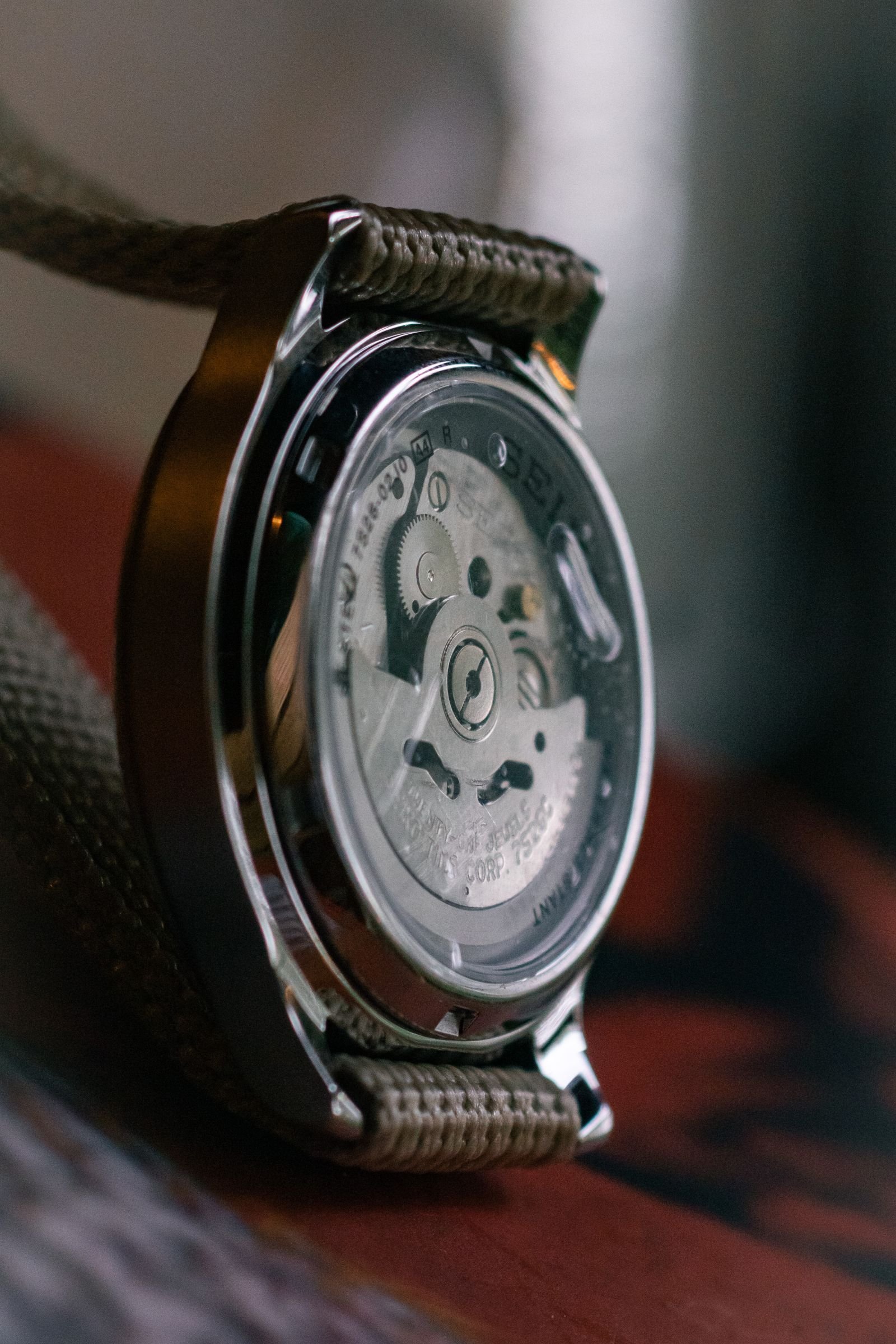
Grand Seiko Spring Drive is often described as a hybrid movement, but that convenient label can create the wrong picture. It is not a conventional mechanical watch with a battery added, nor is it an ordinary quartz movement with decorative gears. A Spring Drive watch stores energy in a mainspring, transfers that energy through a traditional gear train, and uses it to move mechanical hands. Its defining difference is the way it controls the release of that energy.
Instead of a balance wheel and escapement, Spring Drive uses an electromagnetic regulating system called the Tri-Synchro Regulator. That change gives the movement its smooth seconds hand and quartz-level precision while preserving the spring-powered character collectors associate with mechanical watchmaking. Understanding the distinction makes it easier to judge the technology on its own terms rather than forcing it into the usual mechanical-versus-quartz argument.
What Is Grand Seiko Spring Drive?
Spring Drive is a watch movement powered only by the unwinding of a mainspring. The spring may be wound automatically by a rotor or manually through the crown, depending on the caliber. There is no battery driving the hands. From the barrel onward, the gear train transmits torque much as it does in a mechanical movement.
The crucial departure comes at the end of the gear train. A conventional mechanical watch divides time through an oscillating balance and repeatedly locks and unlocks the train with an escapement. The familiar ticking seconds hand reflects these discrete impulses. Spring Drive removes that start-stop mechanism. Its glide wheel rotates continuously in one direction, and an electronic regulator applies an electromagnetic brake to keep that rotation at the correct speed.
That architecture combines three forms of energy, which explains the name Tri-Synchro Regulator:
- Mechanical energy from the mainspring turns the gear train and hands.
- Electrical energy is generated by the moving glide wheel to power a tiny integrated circuit and quartz oscillator.
- Electromagnetic energy brakes the glide wheel when it begins to turn too quickly.
The electrical system is self-generated while the movement runs. It does not recharge a battery, and it does not use a motor to advance the hands. The quartz crystal provides a stable timing reference; the mainspring still supplies all of the movement’s operating energy.
How Spring Drive Works Step by Step
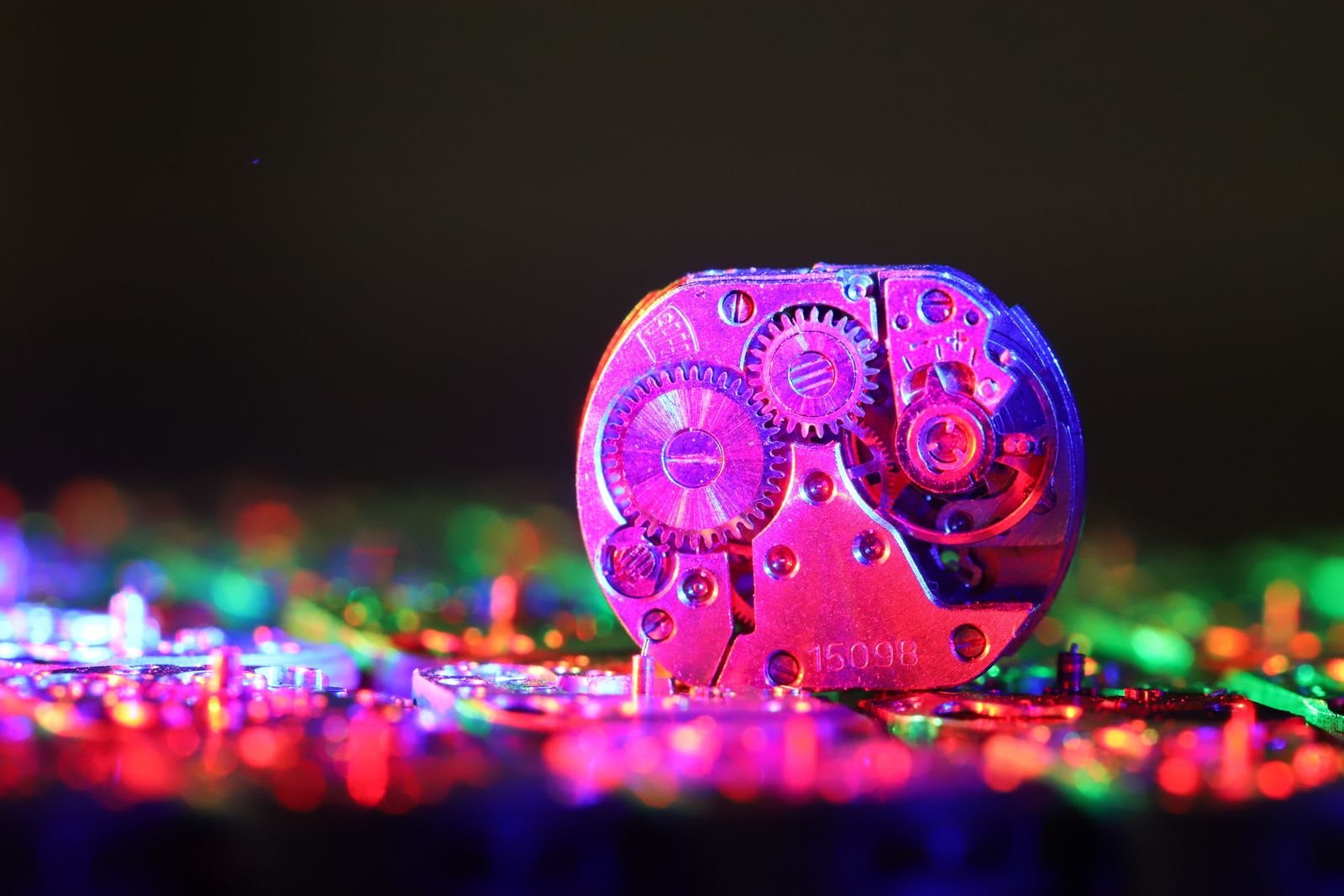
1. The mainspring stores energy
Wearing an automatic Spring Drive watch turns its rotor, which winds the mainspring. Most automatic models can also be wound at the crown. The stored energy is entirely mechanical, just as it is in a standard automatic watch. When the spring unwinds, it turns the barrel and sends torque through the wheel train.
2. The gear train drives the hands and glide wheel
The train carries energy to the hour, minute, and seconds displays. It also spins the glide wheel, the component that replaces the regulating role normally performed by an escapement and balance assembly. Because the wheel turns continuously instead of oscillating, the seconds hand can travel without visible steps.
3. The movement generates its own electricity
A magnet attached to the glide wheel passes a coil and generates a very small electrical current. That current powers the quartz oscillator and integrated circuit. The system is remarkably economical: it must operate on electricity produced from the same finite mainspring reserve that is also moving the hands.
4. Quartz provides the timing reference
The quartz oscillator vibrates at a stable frequency. The integrated circuit compares that reference with the speed of the glide wheel. This is where Spring Drive gains a major accuracy advantage over a conventional mechanical regulator, whose rate can be influenced more directly by position, temperature, shock, lubrication, and tiny changes in the balance spring.
5. Electromagnetic braking controls the release
If the glide wheel is moving too fast, the circuit increases electromagnetic braking. It does not push the wheel forward; it only restrains the energy already coming from the mainspring. The regulated wheel train then moves at a controlled, continuous rate. The result is the signature glide motion rather than a tick produced by repeated locking and unlocking.
Spring Drive vs Mechanical and Quartz Movements
The easiest way to understand Grand Seiko Spring Drive is to compare energy source, regulation, and display motion separately. Calling a movement simply mechanical or quartz can blur these distinctions.
- Compared with a mechanical watch: both use a mainspring, barrel, gear train, and mechanical hands. A mechanical watch regulates time with a balance and escapement; Spring Drive uses a quartz reference, integrated circuit, and electromagnetic brake.
- Compared with a quartz watch: both use a quartz oscillator for rate stability. A common quartz watch normally relies on a battery and stepper motor; Spring Drive relies on a mainspring and uses no motor to propel the hands.
- Compared with an automatic quartz watch: energy-generation concepts may sound similar, but Spring Drive directly uses mainspring torque to turn the train. Its generator produces only the electricity required for regulation.
This makes Spring Drive a genuinely distinct architecture. Purists may debate whether it belongs in the mechanical category because quartz participates in regulation. For an owner, the more useful conclusion is that it delivers a mechanical winding and power-reserve experience with much more stable timekeeping than most traditional mechanical watches.
Accuracy, Power Reserve, and the Glide Motion
Specifications vary by caliber, so buyers should check the exact movement rather than treating every Spring Drive watch as identical. Grand Seiko’s widely used automatic Caliber 9R65 is rated to approximately 72 hours of power reserve and accuracy of plus or minus 15 seconds per month, or roughly plus or minus one second per day. Newer and more specialized calibers may offer longer reserves or tighter stated accuracy.
Monthly accuracy is a meaningful practical advantage. A well-regulated mechanical watch can perform extremely well, but its daily rate often changes with wearing position, state of wind, and temperature. Spring Drive’s quartz reference reduces those variations. It is still sensible to compare the watch against a reliable time source over several days or a full month rather than judging it after a few hours.
The smooth seconds hand is not merely a visual trick. In a conventional movement, the hand advances each time the escapement releases the train. A high-beat caliber makes smaller, more frequent jumps, but they remain steps. Spring Drive’s wheel train never stops and restarts during normal operation, so the hand glides continuously across the dial. That motion is a visible expression of how the regulator works.
The power-reserve indicator found on many Spring Drive models is also functional rather than ornamental. Accuracy regulation may be electronic, but the watch still stops when the mainspring exhausts its stored energy. Owners who rotate several watches can use the indicator to decide whether the watch needs winding before setting it aside.
Does Spring Drive Need a Battery?
No. A Spring Drive movement has a quartz crystal and an integrated circuit, but it does not contain a conventional battery that must be replaced. The glide wheel generates the tiny amount of electricity needed while the mainspring is releasing energy. If the watch stops, winding restores the mechanical energy supply.
This distinction also affects storage. Leaving a Spring Drive watch stopped does not drain a battery or damage the quartz oscillator. As with other fine watches, it should be kept dry, protected from strong impacts, and away from extreme magnetic sources. A watch winder is optional for an automatic Spring Drive model; it offers convenience for a frequently worn calendar watch but is not required for the movement’s health.
Service and Ownership Considerations
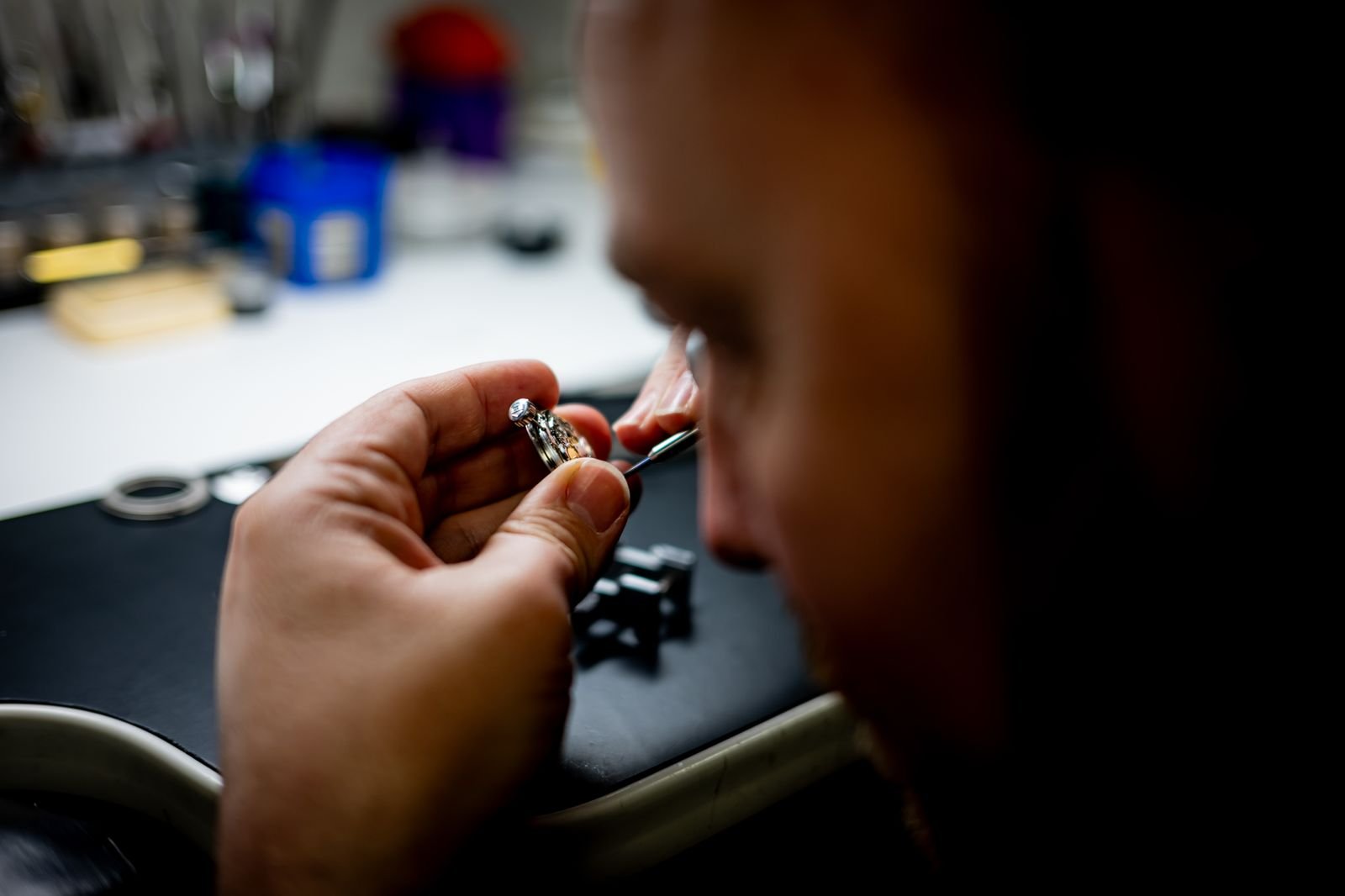
Spring Drive eliminates the conventional escapement, but it is not maintenance-free. The movement still contains a mainspring, barrel, bearings, jewels, gear teeth, lubricants, winding components, seals, and setting mechanism. Oils age, gaskets lose elasticity, and water resistance must be checked periodically. Service timing should follow the model’s instructions and actual condition rather than a universal calendar rule.
Because the regulator and movement architecture are specialized, repair is not ideal for a general technician who lacks Spring Drive training, parts, and diagnostic equipment. For a rate problem, water intrusion, impact damage, or an abnormal winding feel, an authorized Grand Seiko service route is the safest starting point. Owners should also keep the reference, serial information, service documentation, and original components where possible.
Routine care is straightforward:
- Wind and set the watch according to its caliber instructions.
- Have water resistance tested before swimming if the seals’ condition is uncertain.
- Avoid operating the crown or pushers underwater unless the specific model permits it.
- Do not open the case to inspect the movement outside a suitable watchmaking environment.
- Record timekeeping over a meaningful interval before assuming the movement has a fault.
Who Is Spring Drive For?
Spring Drive suits a collector who values mechanical energy, traditional finishing, and tactile winding but wants accuracy closer to quartz. It is also compelling for anyone captivated by the uninterrupted seconds hand. The technology is less likely to appeal to a buyer who insists that a luxury movement must use a balance wheel, or who prefers a movement that any competent independent watchmaker can service.
When comparing models, look beyond the Spring Drive label. Consider caliber-specific accuracy, power reserve, case thickness, winding type, complications, water resistance, and service access in your region. A manual-winding dress watch and an automatic GMT may share the same regulating principle while offering very different ownership experiences.
Frequently Asked Questions
Is Grand Seiko Spring Drive mechanical or quartz?
It uses mechanical mainspring power and a mechanical gear train, but regulates that power with a quartz oscillator and electromagnetic brake. It is best understood as its own spring-powered, quartz-regulated architecture.
Why does a Spring Drive seconds hand move so smoothly?
The glide wheel rotates continuously in one direction. Because there is no escapement repeatedly stopping and releasing the gear train, the seconds hand does not advance in visible ticks.
Does Spring Drive have a battery?
No. The movement generates the small electrical current required by its quartz oscillator and integrated circuit while the mainspring unwinds.
How accurate is Spring Drive?
Accuracy depends on the caliber. The common 9R65 is specified at plus or minus 15 seconds per month, while some other Grand Seiko Spring Drive calibers have different or tighter ratings.
Can a Spring Drive watch be placed on a watch winder?
An automatic Spring Drive can use a compatible winder, but it does not need one for protection. A winder is mainly a convenience for keeping the watch running and its displays set.
Does Spring Drive require servicing?
Yes. Its mechanical train, winding system, lubricants, and case seals still age. Specialized inspection and service are appropriate when performance changes or the manufacturer’s recommended maintenance point is reached.
Conclusion
Grand Seiko Spring Drive is different because it separates mechanical power from electronic regulation in an unusually elegant way. The mainspring does the work, the gear train moves the hands, and the Tri-Synchro Regulator controls the release through a self-powered quartz reference and electromagnetic brake. That design explains both the smooth glide and the strong real-world accuracy. Whether it fits a collection ultimately depends less on category labels than on what the owner values: traditional oscillation, or a distinctive fusion of mechanical craft and precision control.