
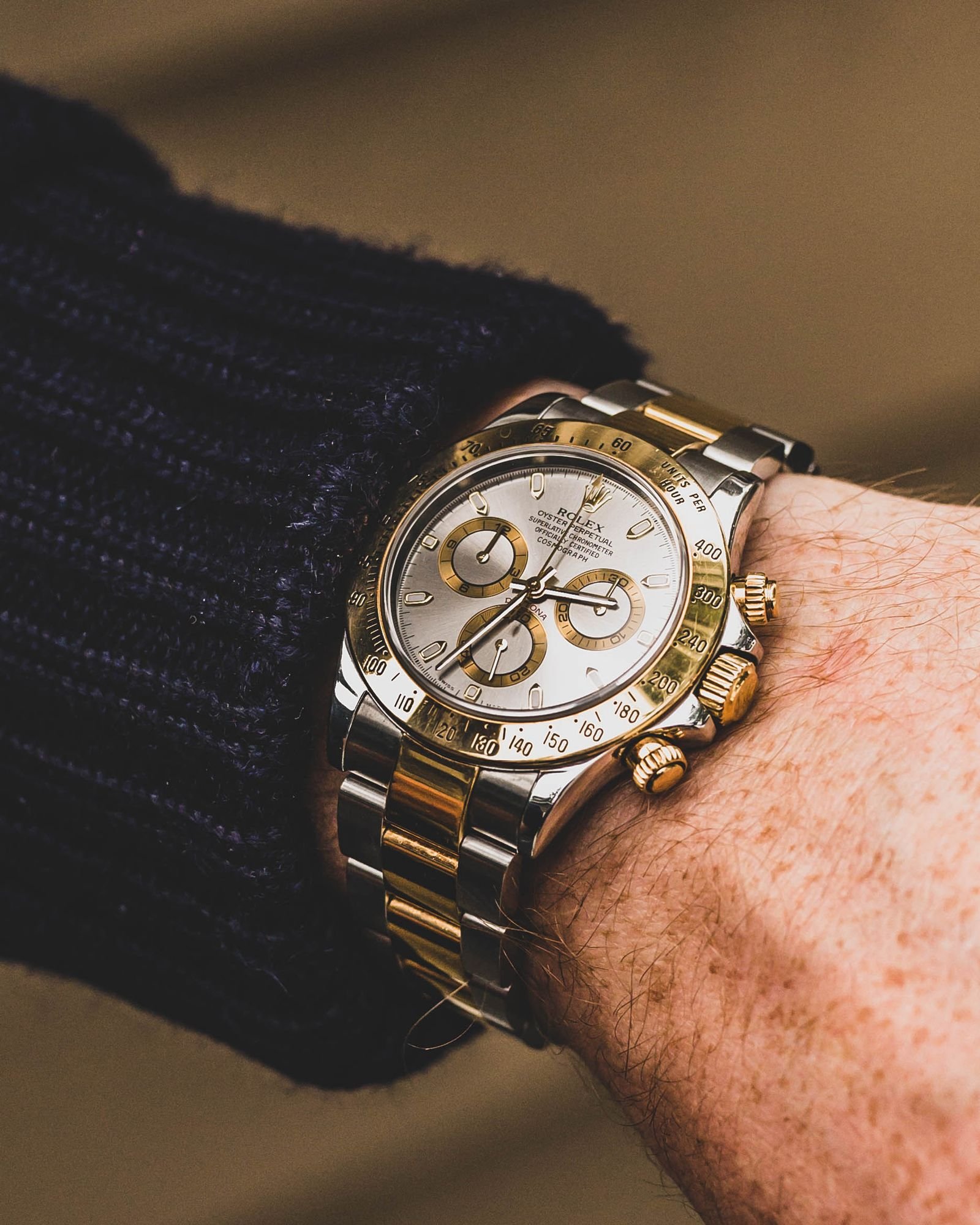
If you want to learn how to spot a fake Rolex Yacht-Master, begin with the reference number, not a list of universal Rolex tricks. The Yacht-Master has appeared in several sizes, metals, dial colors, bezel materials, bracelets, and movement generations. A feature that is correct on a current 40 mm Rolesium model may be wrong for an older reference or a 42 mm Oysterflex version. Authentication therefore means proving that the dial, case, bezel, bracelet, movement, documents, and seller story all belong together.
This guide is designed for pre-owned buyers. It can help you reject an obvious counterfeit or a badly misrepresented watch, but photographs and home tests cannot provide final certainty. Rolex states that its official network has the training and equipment needed to confirm the authenticity of every component. For a high-value purchase, a physical inspection by an appropriately qualified professional is the sensible final step.
Start With the Exact Yacht-Master Reference
“Rolex Yacht-Master” is not a complete identification. Ask the seller for the full reference, approximate production period, case diameter, metal, dial, bracelet, and any service history. Then compare that package with Rolex material or a reliable reference archive. This single step prevents many false conclusions.
The current family illustrates the amount of legitimate variation. Rolex says the Yacht-Master 37 uses calibre 2236, while the Yacht-Master 40 and 42 use calibre 3235. Current versions can combine Oystersteel with platinum, Oystersteel with Everose gold, solid gold, titanium, an Oyster bracelet, or an Oysterflex bracelet. Bezel construction also varies: precious-metal bezels with raised graduations and ceramic inserts both exist. You cannot judge one reference by memorizing another.
Build a reference sheet before inspecting the watch. Record:
- The complete reference number and stated year.
- Case size and metal combination.
- Correct bezel material, color, and graduation style.
- Expected dial, handset, bracelet, clasp, and extension system.
- Expected calibre and approximate power reserve.
Use the official Rolex Yacht-Master overview as a current baseline. Vintage and discontinued watches need period-correct documentation because specifications change. A mismatch does not always prove a fake; it may indicate a service replacement, aftermarket part, or assembled watch. It does mean the seller owes you a clear explanation.
Check the Bezel as a Complete Assembly
The Yacht-Master bezel is one of its defining features and one of the easiest areas for counterfeiters to imitate superficially. Genuine current models use a bidirectional 60-minute graduated bezel. Depending on the reference, it may be made from precious metal or use a Cerachrom ceramic insert. The raised numerals and graduations should suit the exact model rather than merely look “Rolex-like.”
Inspect the font, spacing, relief, finish, triangle, and transition between polished and matte surfaces. Look around the full circumference instead of judging the prominent 10, 20, 30, 40, and 50 alone. Counterfeits sometimes reproduce the large numerals reasonably well but lose consistency in smaller markers, edge finishing, or alignment.
Action matters too, but it is not a magic test. The bezel should rotate in both directions on the Yacht-Master; applying a Submariner’s one-way-bezel rule would produce the wrong conclusion. Check that rotation feels consistent and that the bezel sits evenly against the case. Dirt, wear, prior repair, or a damaged spring can affect genuine watches, so poor action is a reason for inspection, not automatic proof of counterfeiting.
Compare the Dial, Date, and Cyclops to the Reference
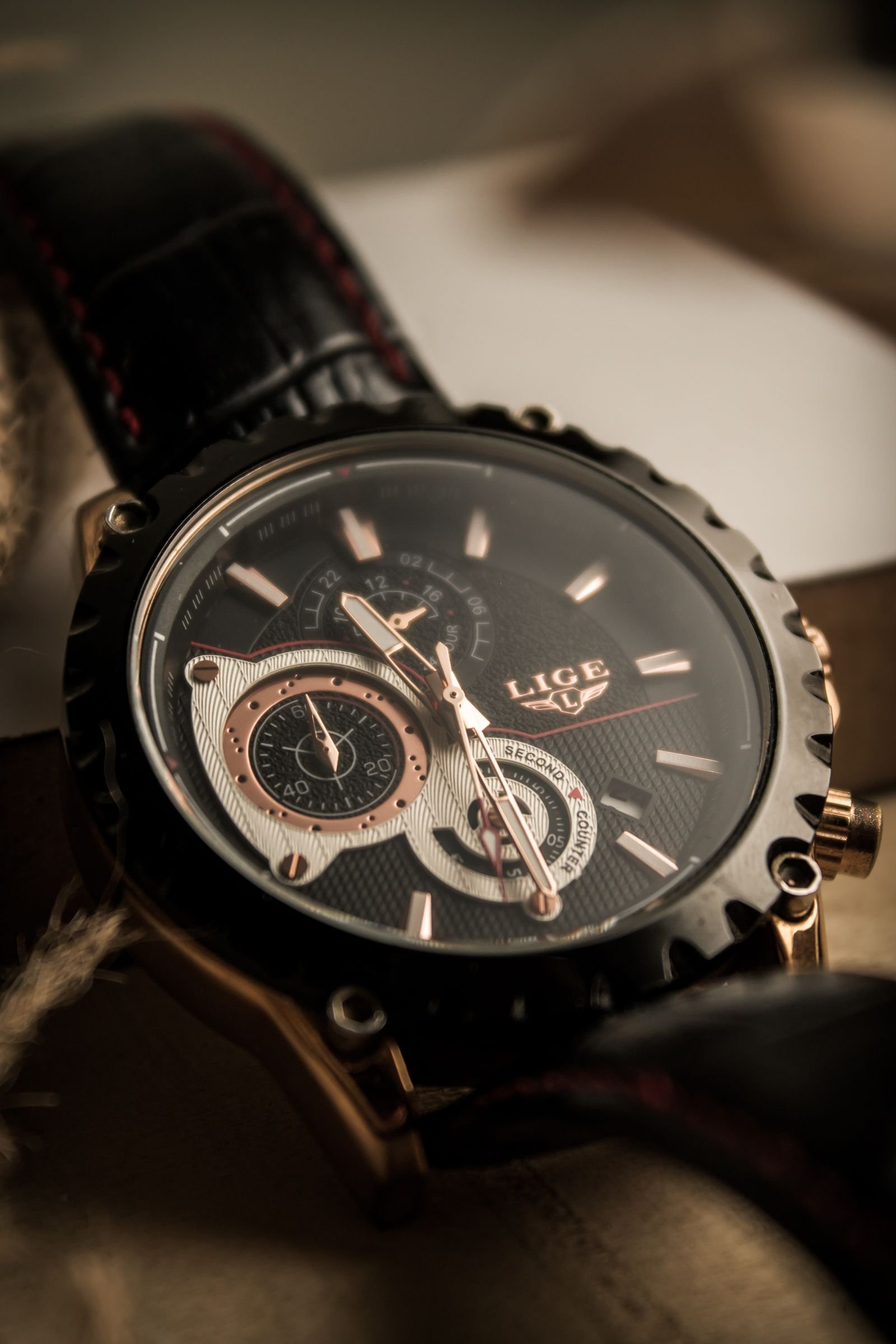
A convincing fake can look excellent at normal viewing distance. Use sharp, straight-on photographs and modest magnification to compare the dial with confirmed examples of the same reference. You are looking for coherence rather than one mythical tell.
Check the coronet, text weight, line spacing, minute track, applied markers, hand proportions, and lume plots. Printing should be crisp and correctly positioned. Markers should align with the minute track, and the hands should match the generation and dial. Uneven application, fuzzy edges, inconsistent letter shapes, or a marker that repeatedly misses its track deserve attention.
The Yacht-Master date display includes a Cyclops lens on current models. Confirm that the date window, numeral style, centering, and lens placement match the exact reference. Do not rely on a claimed magnification ratio as a standalone verdict. Camera angle, phone processing, replacement crystals, and service parts can alter the appearance in photographs. A date that looks wrong is useful evidence only when considered with the rest of the watch.
Lume should also be evaluated as a system. Compare the color in daylight, brightness after equal charging, and the way the hands and hour markers fade. A mismatch may indicate replaced parts or aging rather than a fully counterfeit watch, but it affects originality and value and should be disclosed.
Inspect the Case, Crown, Rehaut, and Engravings
Request well-lit side views, lug profiles, crown-guard views, and a straight caseback image. The case should have the geometry and finishing appropriate to its reference. Look for clean transitions between brushed and polished surfaces, balanced lugs, a correctly seated crystal, and an ordinary solid screw-down caseback. Excessive polishing can soften a genuine case, while a fresh counterfeit may still have sharp but incorrect proportions.
Current Yacht-Master specifications describe a screw-down crown and Oyster case construction. The crown should screw in smoothly and sit correctly when closed. Never test water resistance by putting an unverified watch in water. Crown feel can reveal damage or poor construction, but wear, dry seals, and previous service also affect it. A pressure test belongs in a workshop.
Modern Rolex watches may show rehaut engraving and identifying numbers, yet the mere presence of an engraving proves little. Counterfeiters copy serials and logos. Compare depth, spacing, orientation, and alignment with known-correct examples, and confirm that all numbers agree with the card, invoice, service records, and the physical configuration. A valid-looking number can be duplicated from a real watch.
Judge Bracelet and Clasp Details by Model
The bracelet is not an accessory to ignore. It is part of the watch’s identity and a frequent source of inconsistencies. Depending on the reference, a Yacht-Master may use an Oyster bracelet or Rolex’s Oysterflex system. Current Oysterflex models combine flexible metal blades with a high-performance elastomer exterior, rather than using an ordinary rubber strap.
Check how the bracelet or strap meets the case, how the clasp closes, whether adjustment hardware matches the model, and whether finishing remains consistent inside less visible areas. The official current range uses an Oysterlock safety clasp; selected Oysterflex configurations also use the Glidelock extension system. A generic clasp, crude coronet, rough interior edge, uneven link fit, or incorrect extension mechanism raises concern.
Wear must make sense. A heavily worn clasp on a supposedly unworn watch, or a loose bracelet paired with an immaculate case, may indicate swapped parts or selective refinishing. That does not always mean counterfeit, but it weakens the seller’s account and can materially change value.
Do Not Authenticate the Movement From Rotor Sound
Current Yacht-Master 40 and 42 watches use calibre 3235, while the current 37 uses calibre 2236. Rolex lists roughly 70 hours of power reserve for calibre 3235 and about 55 hours for calibre 2236. Those facts let you perform plausibility checks, but they do not turn a home test into authentication.
A fake may contain an automatic movement that sweeps smoothly, changes the date, and runs for days. Conversely, a genuine watch overdue for service may run poorly. The sound of the rotor, number of visible ticks per second, or feel of hand winding is not decisive. Sophisticated replicas can use movements designed to resemble genuine architecture from the visible side.
If the transaction warrants opening the case, let a qualified watchmaker do it. Caseback removal can damage sealing surfaces, introduce dust, scratch the watch, and compromise water resistance. A professional can compare bridge architecture, balance system, winding components, finishing, engravings, and component construction, then close and pressure-test the case correctly. Rolex’s Certified Pre-Owned process goes further: the brand says each watch is disassembled so its components and original configuration can be checked.
Paperwork Supports the Watch; It Does Not Authenticate It
A box, card, hang tag, booklet, and receipt can make a listing feel safe. Treat them as supporting evidence, not proof. Packaging can be purchased separately, documents can be altered, and a genuine card can be paired with another watch. At the same time, an older genuine watch may legitimately lack its original accessories.
Verify that the reference and serial information agree everywhere. Check whether the card format fits the stated purchase period, whether the retailer existed, and whether service documents describe the same watch. Rolex notes that a guarantee card cannot simply be reissued, so an implausible replacement-card story deserves scrutiny.
A coherent service record can be more informative than a pristine box. It may explain replacement hands, a new crystal, refinishing, or another legitimate change. Ask whether all parts are original, Rolex service replacements, or aftermarket. “Authentic,” “original,” and “unpolished” are different claims and should be written into the sale terms when they affect the price.
Evaluate the Seller and Transaction Structure
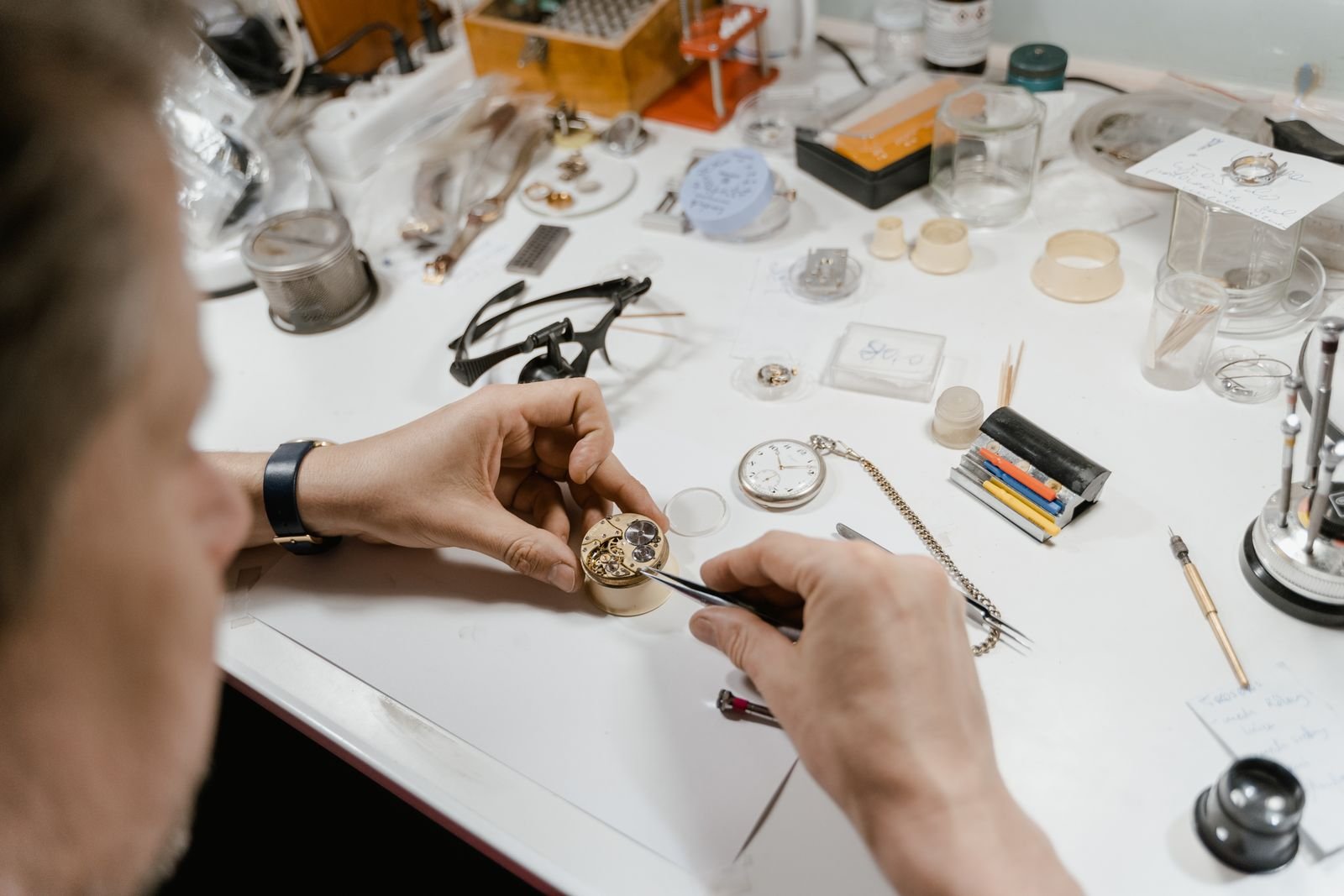
The safest purchase is built to tolerate verification. Prefer an established seller with a clear legal identity, detailed photographs, documented inspection practices, a written return window, and a payment method with buyer protection. A good seller should not object to a professional pre-purchase inspection.
Ask for fresh photos with the hands set to a time you choose. Request straight dial, bezel, crown-side, opposite-side, caseback, clasp, bracelet, and documentation views. For an expensive watch, arrange an inspection at an official Rolex retailer, service center, or respected independent specialist before the deal becomes irreversible.
Watch for clusters of risk:
- A price far below comparable examples without a credible explanation.
- Stock images, heavy filters, or only distant wrist shots.
- Refusal to show the serial or reference in a controlled, privacy-conscious way.
- Pressure to pay by wire, cryptocurrency, or another irreversible method.
- No returns, no inspection period, and vague ownership history.
- A model description that changes when you ask specific questions.
None of these proves the watch is fake by itself. Together, they can make the transaction unsafe even if the watch photographs look persuasive.
A Practical Rolex Yacht-Master Authentication Checklist
- Identify the full reference, generation, size, metal, bezel, dial, and bracelet.
- Compare every visible feature with official or confirmed examples of that exact reference.
- Inspect bezel direction, graduation style, finish, alignment, and seating.
- Review dial printing, markers, hands, date display, Cyclops, and lume as one system.
- Check case proportions, finishing transitions, crown, crystal, rehaut, and caseback.
- Confirm the bracelet, clasp, end links, adjustment system, and wear pattern make sense.
- Reconcile the serial, reference, warranty card, invoice, and service records.
- Assess the seller, return rights, payment protection, and willingness to allow inspection.
- Use a professional physical examination for any material uncertainty.
Frequently Asked Questions
Can a serial number prove a Yacht-Master is genuine?
No. A serial number is useful evidence, but counterfeiters can copy or re-engrave numbers. It must agree with the reference, configuration, documents, and internal inspection.
Should a Yacht-Master bezel turn both ways?
Yes. Rolex describes the Yacht-Master’s 60-minute graduated bezel as bidirectional. This differs from the one-way timing bezel expected on many dive watches.
Does a smooth seconds hand mean the watch is real?
No. Many counterfeit automatic movements produce a smooth-looking sweep. Rate, sweep, rotor sound, and winding feel are not substitutes for reference-level and movement inspection.
Is an Oysterflex bracelet just a rubber strap?
No. Rolex describes Oysterflex as flexible metal blades overmoulded with high-performance elastomer. Construction, case fit, clasp, and adjustment hardware should match the exact reference.
Can a genuine Yacht-Master contain replacement parts?
Yes. Legitimate service parts can be installed during maintenance. They may affect originality or collector value, so the seller should disclose them and provide supporting records.
What is the safest way to buy a pre-owned Yacht-Master?
Use an established seller or Rolex Certified Pre-Owned retailer, preserve return and payment protections, and obtain a professional physical inspection before the return window closes.
Conclusion
Learning how to spot a fake Rolex Yacht-Master is less about memorizing a secret tell and more about disciplined comparison. Establish the precise reference, test whether every component fits that reference, reconcile the paperwork, and judge the seller as carefully as the watch. The bezel’s bidirectional action, dial details, case finishing, bracelet construction, and movement specification all matter, but no single feature carries the whole decision. When the value is high or the evidence conflicts, professional authentication is not an optional luxury; it is the final control that protects the purchase.
Related Reading
For another model-specific comparison, use this Rolex Submariner authentication guide. If the watch will spend time off the wrist after purchase, review how to choose a watch winder without overcomplicating storage.
Collector’s Pick
A practical watch-storage option selected for readers of this guide.
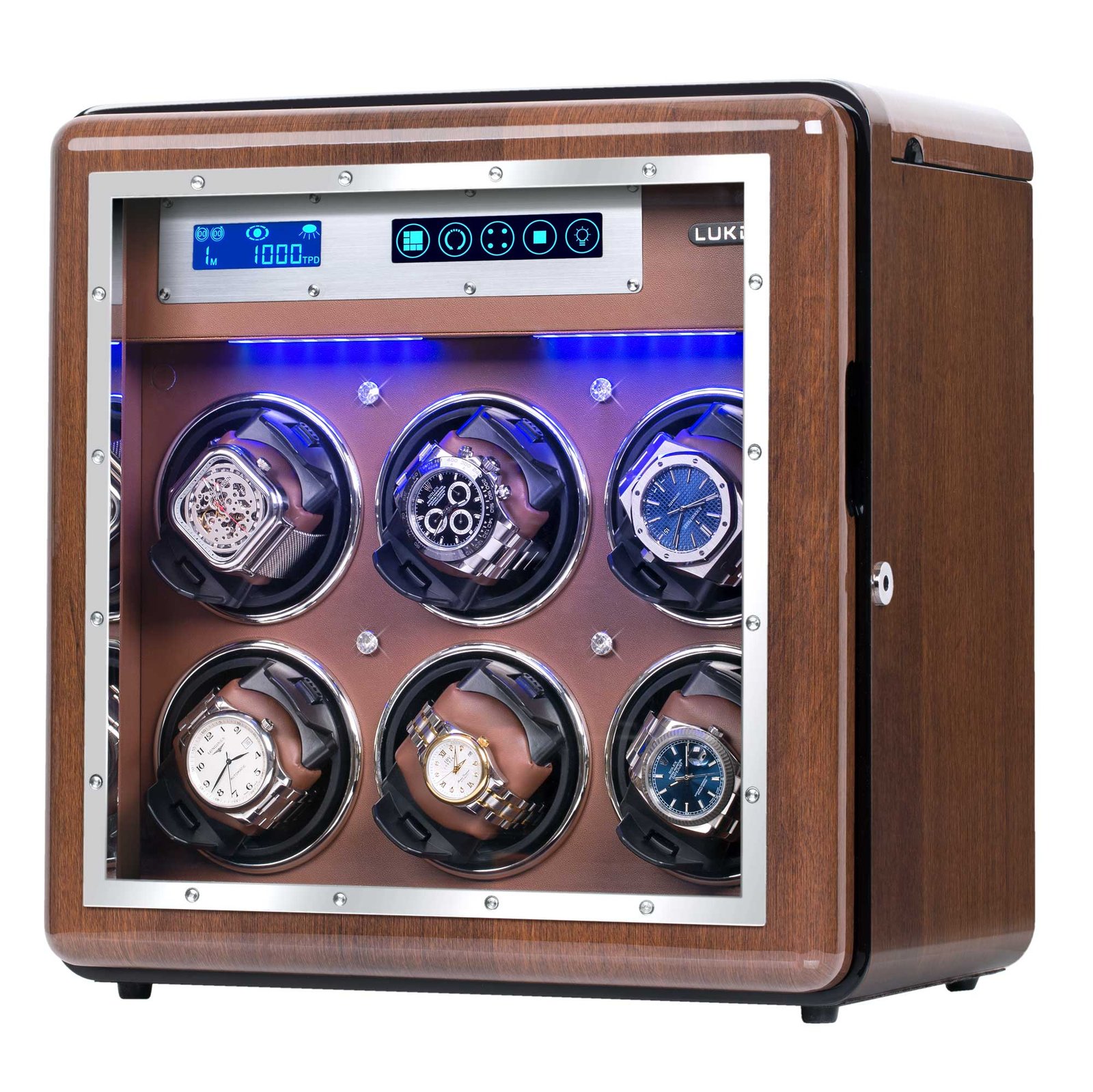
A walnut watch winder for 6 automatic watches with ultra-quiet Japanese motors, LED lighting and a lockable piano lacquer case for daily rotation.