
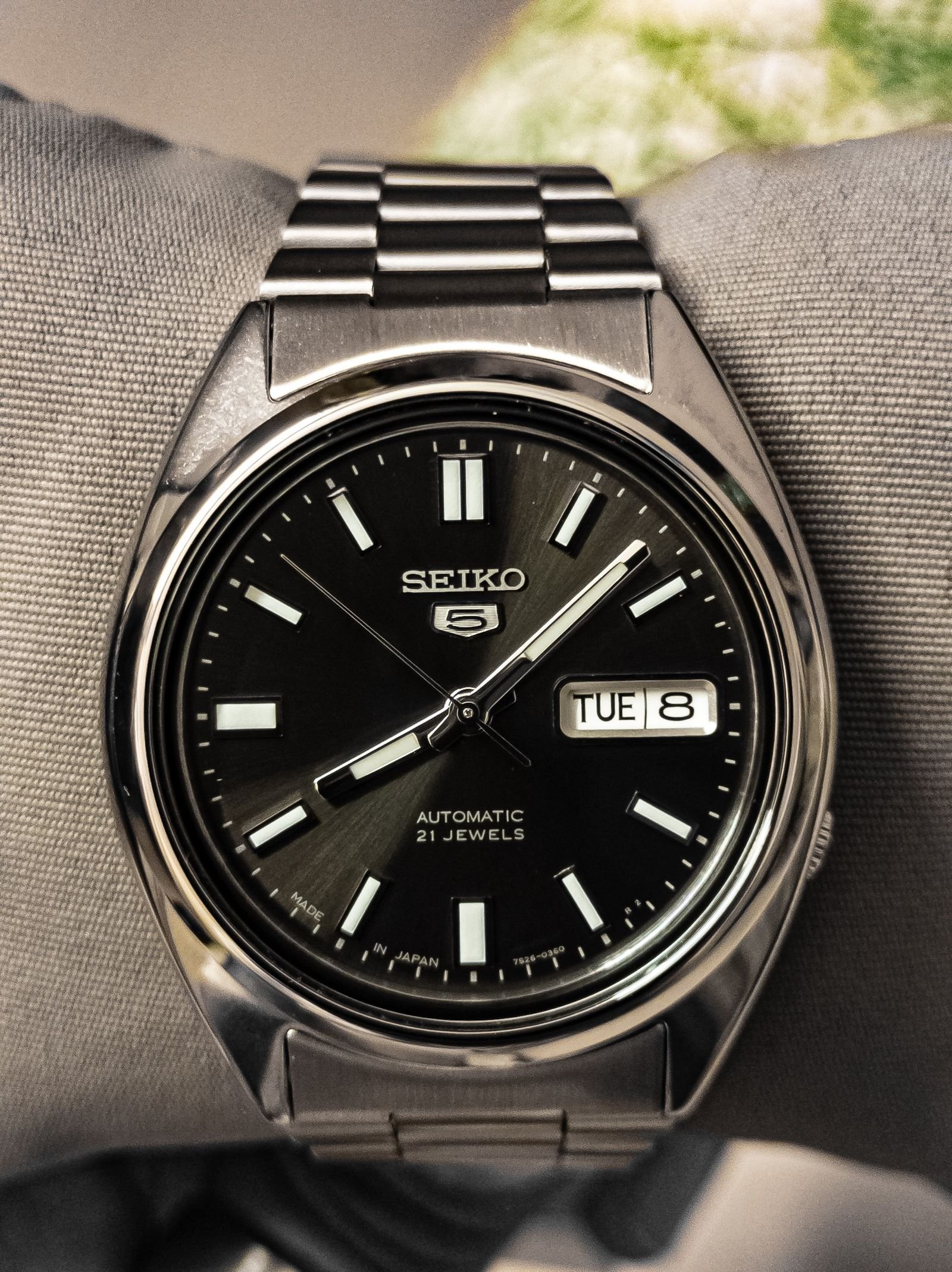
An automatic watch is supposed to gather energy from wrist movement, so finding that your automatic watch stops while wearing it feels contradictory. Sometimes the explanation is simple: the watch began the day with almost no stored power, and a quiet routine did not wind it fast enough. In other cases, repeated stopping points to a fault in the winding system, hands, movement, or lubrication.
The useful question is not merely whether the watch stopped. It is how it stopped, how much energy it had beforehand, and whether the failure follows a pattern. A few controlled observations can separate an under-wound watch from one that needs professional attention. This guide explains what you can test safely without opening the case.
How an Automatic Watch Can Stop Even on Your Wrist
An automatic movement stores energy in its mainspring. A weighted rotor turns as your wrist changes position, and the winding train transfers some of that motion to the spring. The watch consumes energy continuously while the rotor replenishes it intermittently. Wearing the watch does not instantly create a full power reserve, and gentle movement may add energy more slowly than the movement uses it.
This distinction matters when a stopped watch is put on without first being wound. A few shakes may start the seconds hand, but starting is not the same as building a dependable reserve. The watch may run briefly and stop again during desk work, driving, reading, or sleeping. Seiko’s operating guidance notes that wearing time and the amount of arm movement affect the winding state; its troubleshooting material specifically identifies short wear periods or limited movement when the reserve fails to increase.
Movement design also changes the experience. Some automatic watches can be hand-wound through the crown, while older or simpler calibers may rely entirely on rotor winding. Power reserve can range from roughly a day and a half to several days, depending on the caliber and its condition. Always use the instructions for the exact reference or movement rather than applying one brand’s winding count to every watch.
A healthy automatic watch that starts with a useful reserve should not repeatedly stop during ordinary wear. If a full manual wind produces only a short runtime, or if wrist movement makes the watch stop while it runs normally on a table, low activity is no longer a convincing explanation.
Start With a Controlled Full-Wind Test
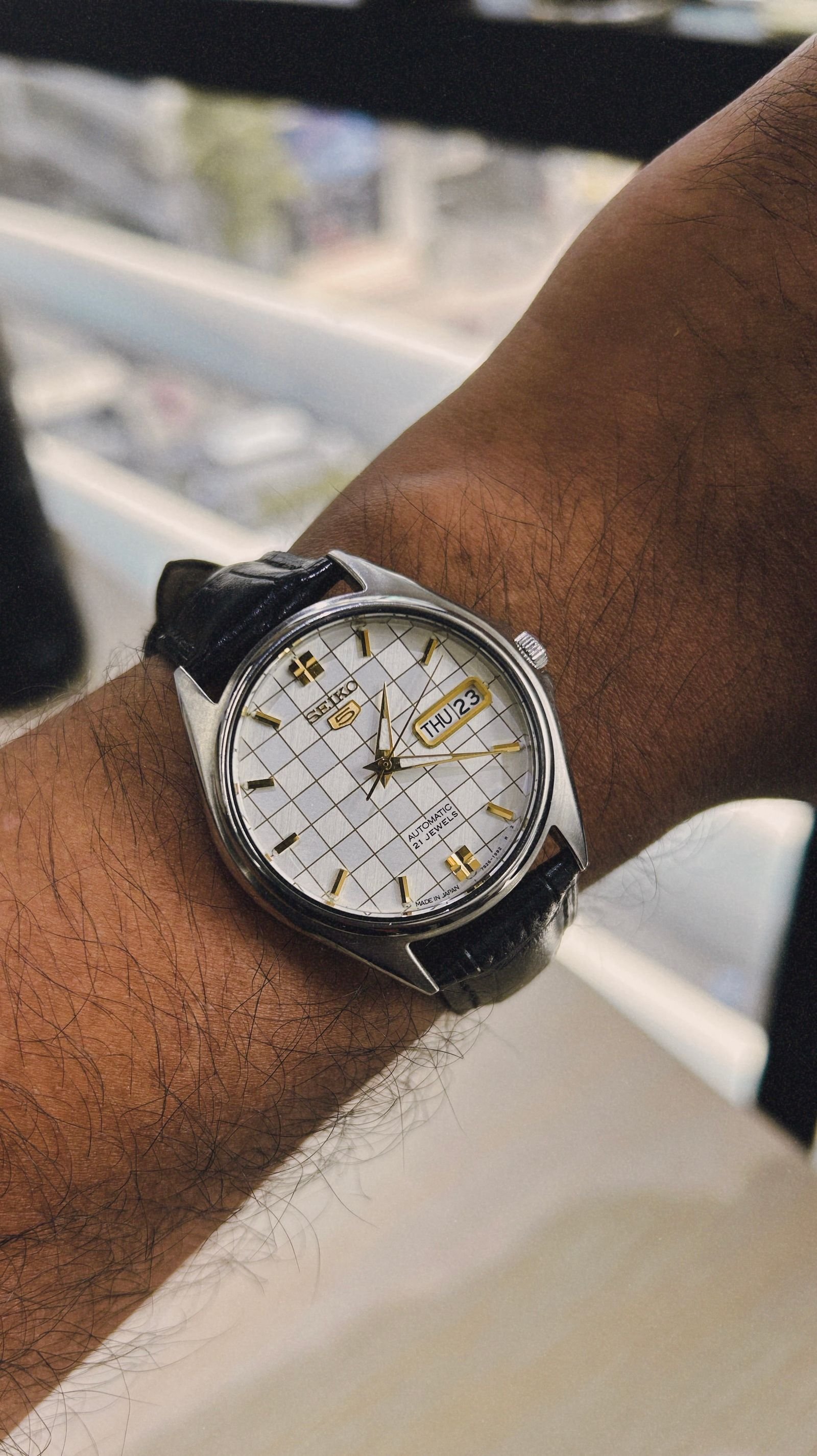
The safest first test removes uncertainty about starting power. Consult the manual to confirm that the watch supports manual winding and to identify the correct crown position. If it has a screw-down crown, unscrew it carefully. With the crown in the winding position, turn it slowly in the specified direction. Many modern automatic movements use a slipping mainspring bridle that helps prevent conventional overwinding, but you should still follow the manufacturer’s instructions and never force a crown that feels stuck, gritty, or unusually tight.
- Wind according to the manual. Use the brand’s recommended number of turns or wind until the power-reserve indicator shows a strong charge.
- Set an accurate reference time. Compare with a reliable phone or network time source and record the starting time.
- Wear the watch through a normal active day. Note long periods of desk work, driving, or inactivity rather than artificially shaking the watch.
- Record the stopping time and hand position. A repeated hand position can reveal interference that a simple runtime note would miss.
- Repeat off the wrist. After another proper wind, leave the watch in a stable position and compare its behavior.
If the watch runs for approximately its rated reserve after a full wind, but gains little reserve during your normal day, your routine may be too sedentary for that movement or its automatic winding system may be inefficient. If it stops far earlier than its specification both on and off the wrist, the problem is more likely inside the watch.
Avoid using aggressive shaking as a diagnostic method. It adds an uncontrolled variable and can subject an already damaged movement to unnecessary impact. Gentle normal wear and crown winding, where supported, provide cleaner evidence.
Common Reasons an Automatic Watch Keeps Stopping
Insufficient Starting Reserve
This is the most common and least alarming cause. The rotor may make the watch tick before the spring contains enough energy to survive the next quiet period. A proper manual wind followed by a normal day often resolves the issue. People with limited wrist movement may need to start with more reserve or periodically hand-wind the watch in accordance with its manual.
Inefficient Automatic Winding
A rotor that turns does not prove that energy reaches the mainspring efficiently. Wear in the reversers, reduction gears, rotor bearing, or other winding components can reduce useful winding. Warning signs include a new scraping sound, excessive rotor wobble, a rotor that appears reluctant to move through an exhibition back, or a watch that has good reserve after crown winding but poor reserve after a full day on the wrist.
Reduced Power Reserve From Old Lubricants or Wear
Mechanical movements depend on tiny quantities of lubricant. As oils age or migrate, friction rises and amplitude can fall. The watch may still start, yet stop once mainspring torque drops. A tired mainspring, dirty movement, worn pivot, or damaged jewel can produce similar symptoms. This is why a runtime test is more useful than assuming the rotor is responsible.
Hands or Calendar Components Touching
If the watch stops at nearly the same displayed time on multiple tests, inspect the dial through the crystal. The seconds, minute, and hour hands must clear one another, the dial, and the underside of the crystal. A bent or poorly fitted hand may make contact only at a certain point. Calendar drag can also expose a marginal movement around the date-change period. Do not press the crystal, bend the hands, or attempt to remove the caseback.
Position-Sensitive Movement Fault
A watch may run dial-up on a table but stop when vertical on the wrist. Large differences between positions can indicate low amplitude, a damaged balance pivot, contamination, or another movement fault. Small timing differences by position are normal in mechanical watches; stopping is not. Compare only after giving the watch a proper wind so low reserve does not confuse the result.
Shock, Moisture, or Magnetic Exposure
A recent drop can disturb hands, the rotor, or delicate movement components. Moisture may create corrosion long before it is obvious. Magnetism more commonly makes a mechanical watch run very fast or erratically than stop outright, but strong exposure is still relevant history for a watchmaker. Note any recent impact, visible condensation, loud change in sound, or exposure to powerful magnets.
What the Stopping Pattern Tells You
- It stops after a quiet morning but runs after an active day: insufficient starting reserve or low daily motion is plausible.
- It runs well after crown winding but not after wrist wear: suspect inefficient automatic winding or unusually low activity.
- It stops quickly after both crown winding and wrist wear: shortened reserve, excess friction, or an escapement problem is more likely.
- It stops at the same dial position: look for hand contact or a calendar-related load.
- It runs on a table but stops on the wrist: a position-sensitive internal fault deserves inspection.
- It began after a knock or fall: stop testing aggressively and arrange a professional check.
Keep a simple two- or three-day log: wind count or indicator level, start time, wear hours, activity level, overnight position, stopping time, and displayed hand position. This gives a watchmaker better evidence than “it stops sometimes” and can reduce unnecessary guesswork.
Safe Checks You Can Do Without Opening the Case
Confirm first that the watch is genuinely mechanical and automatic; similar-looking quartz, solar, and kinetic watches have different troubleshooting paths. Then check the model’s official manual for winding direction, expected reserve, crown operation, and any power-reserve display.
Listen in a quiet room while moving the watch gently. A soft rotor sound can be normal. New grinding, scraping, loose clunking, or a rotor that spins loudly for an unusually long time is worth reporting. Through an exhibition caseback, you may observe rotor movement without touching anything, but visible motion alone cannot diagnose the winding train.
Inspect the crown position and screw it down correctly after winding if the design requires it. A crown left pulled out may stop the seconds on watches with a hacking function. Check for condensation beneath the crystal and discontinue wear if moisture is visible. Water resistance cannot be confirmed at home; it requires pressure testing with suitable equipment.
Do not open the case, spray lubricant, use household demagnetizers without understanding their field, or force the hands past resistance. These actions can turn a straightforward service issue into damage and may compromise water resistance or warranty coverage.
When to Take the Watch to a Watchmaker
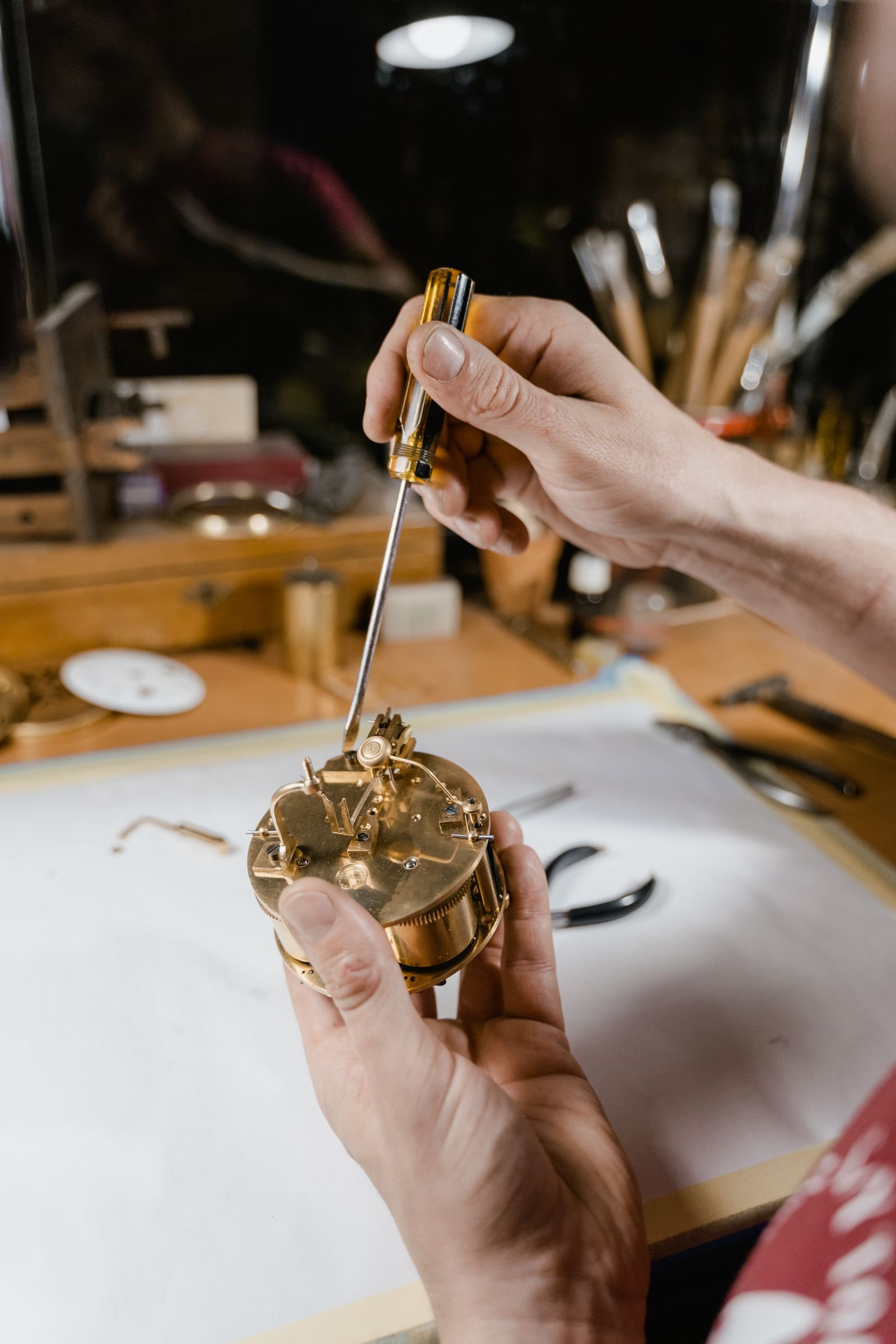
Arrange professional inspection if the automatic watch stops while wearing it after a correct full wind, repeatedly delivers much less than its rated reserve, stops in particular positions, or consistently halts at the same hand position. Seek prompt help after an impact, when the crown feels abnormal, when the rotor scrapes, or whenever moisture appears inside the case.
A competent watchmaker can measure rate, amplitude, and beat error on a timing machine; test performance in multiple positions; inspect automatic winding efficiency; and perform a power-reserve test. Depending on the findings, the remedy may be as small as correcting hand clearance or as extensive as cleaning, lubricating, and replacing worn components during a full service.
If the watch is new or covered by a service warranty, contact the seller or authorized service network before using an independent repairer. Document the stopping pattern and avoid opening the case, since unauthorized work can affect warranty coverage.
Frequently Asked Questions
Is it normal for an automatic watch to stop while I am wearing it?
Not if it began with adequate reserve and is worn normally. A nearly empty watch may stop during low activity, but repeated stopping after a proper wind suggests a winding or movement problem.
How much should I wind an automatic watch before wearing it?
Follow the exact model’s manual. Many manufacturers recommend a defined number of crown turns for a stopped watch, but counts and crown procedures vary. Do not force resistance, and remember that some automatic calibers cannot be hand-wound.
Why does my watch run on a table but stop on my wrist?
First rule out low reserve with a controlled full-wind test. If the behavior persists, the movement may have a position-sensitive fault, hand interference, or damage that reacts to motion. A watchmaker should test it in several positions.
Can a watch winder fix an automatic watch that keeps stopping?
A winder may compensate for low wrist activity, but it cannot repair worn winding parts, dried lubricants, hand contact, or impact damage. Diagnose the watch with a manual-wind and runtime test before using a winder as a workaround.
Does magnetism make an automatic watch stop?
Magnetism often causes a mechanical watch to run unusually fast or erratically rather than simply stop. Strong exposure can still affect performance, so mention it during diagnosis and have the watch tested with appropriate equipment.
Conclusion
When an automatic watch stops while wearing it, begin with evidence rather than vigorous shaking. Give it the correct manual wind if the caliber allows, compare wrist and off-wrist runtime, and record when and where the hands stop. Limited activity can explain an under-wound watch, but a healthy, properly charged movement should keep running through ordinary wear. Repeated short reserve, position-dependent stopping, hand contact, unusual rotor noise, impact history, or moisture are clear reasons to stop experimenting and let a qualified watchmaker diagnose the movement.