






























































































































































































































Search Account Cart

Free-Sprung vs Regulated Balance: What Actually Changes?
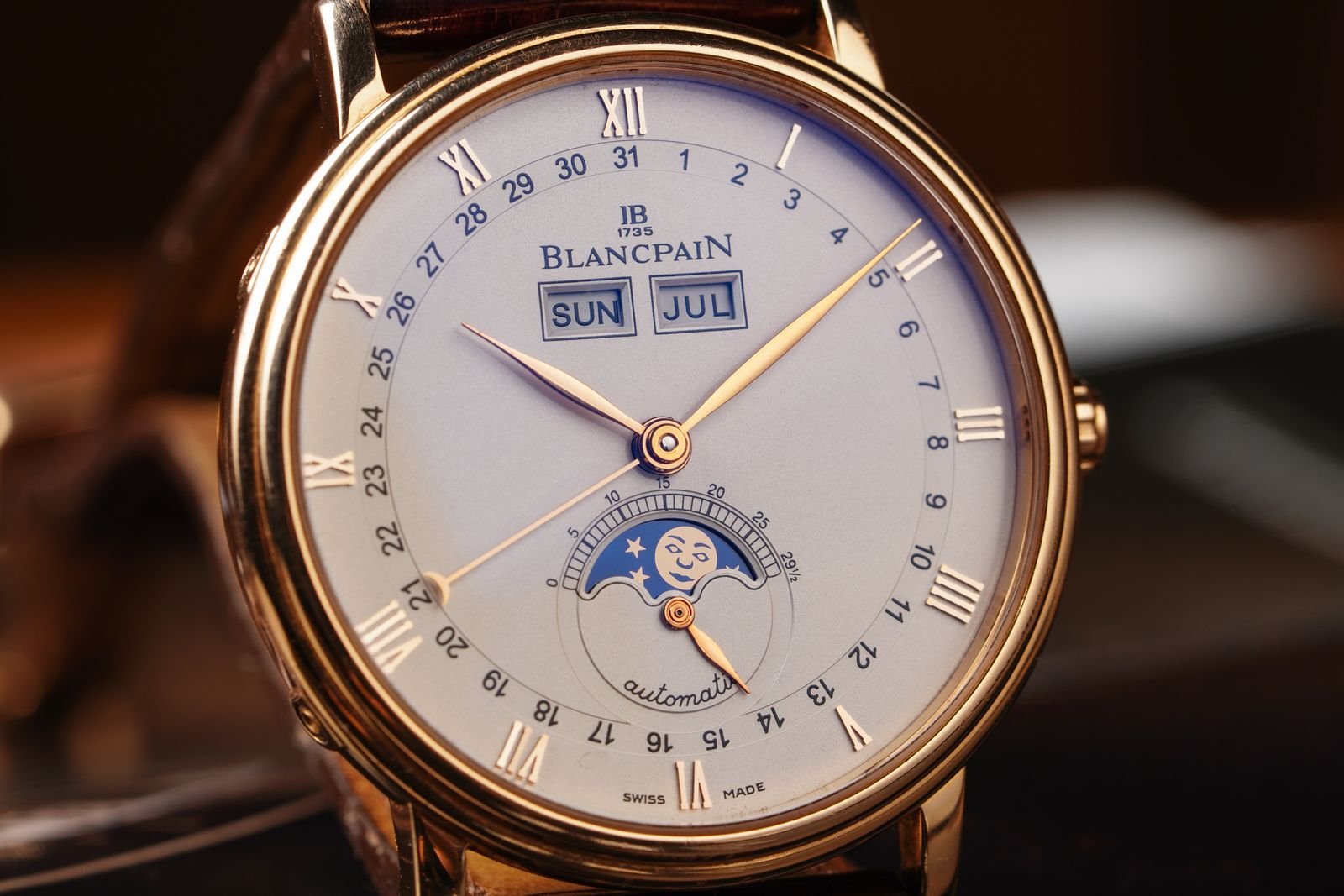
A balance assembly controls the pace of a mechanical watch, but movements use different methods to fine-tune its rate. “Free-sprung balance” has become a prestige phrase in modern watch specifications. It often appears beside silicon hairsprings, full balance bridges, chronometer certificates, and long power reserves. The implication is that free-sprung automatically means more accurate, while … Read more

Grand Seiko Caliber 9SA5 Explained: High Beat, Long Reserve, and Real-World Meaning

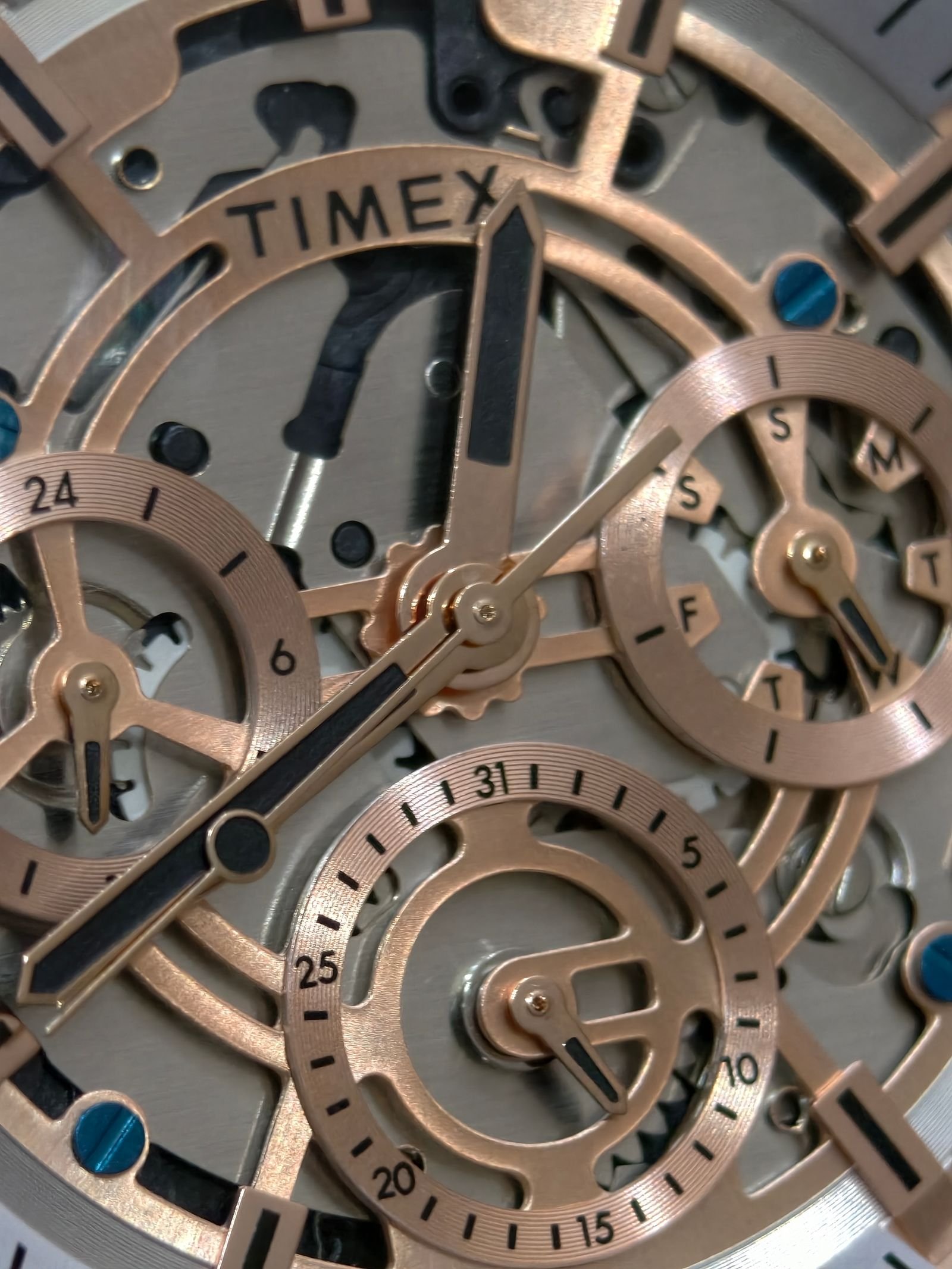
Grand Seiko Caliber 9SA5 is easy to summarize and surprisingly difficult to explain well. It is an automatic mechanical movement that runs at 36,000 vibrations per hour, stores about 80 hours of power, and uses an escapement developed in-house. Those specifications are impressive, but the more interesting story is how Grand Seiko made them coexist. … Read more

COSC vs METAS vs Superlative Chronometer: What Watch Accuracy Certifications Really Mean

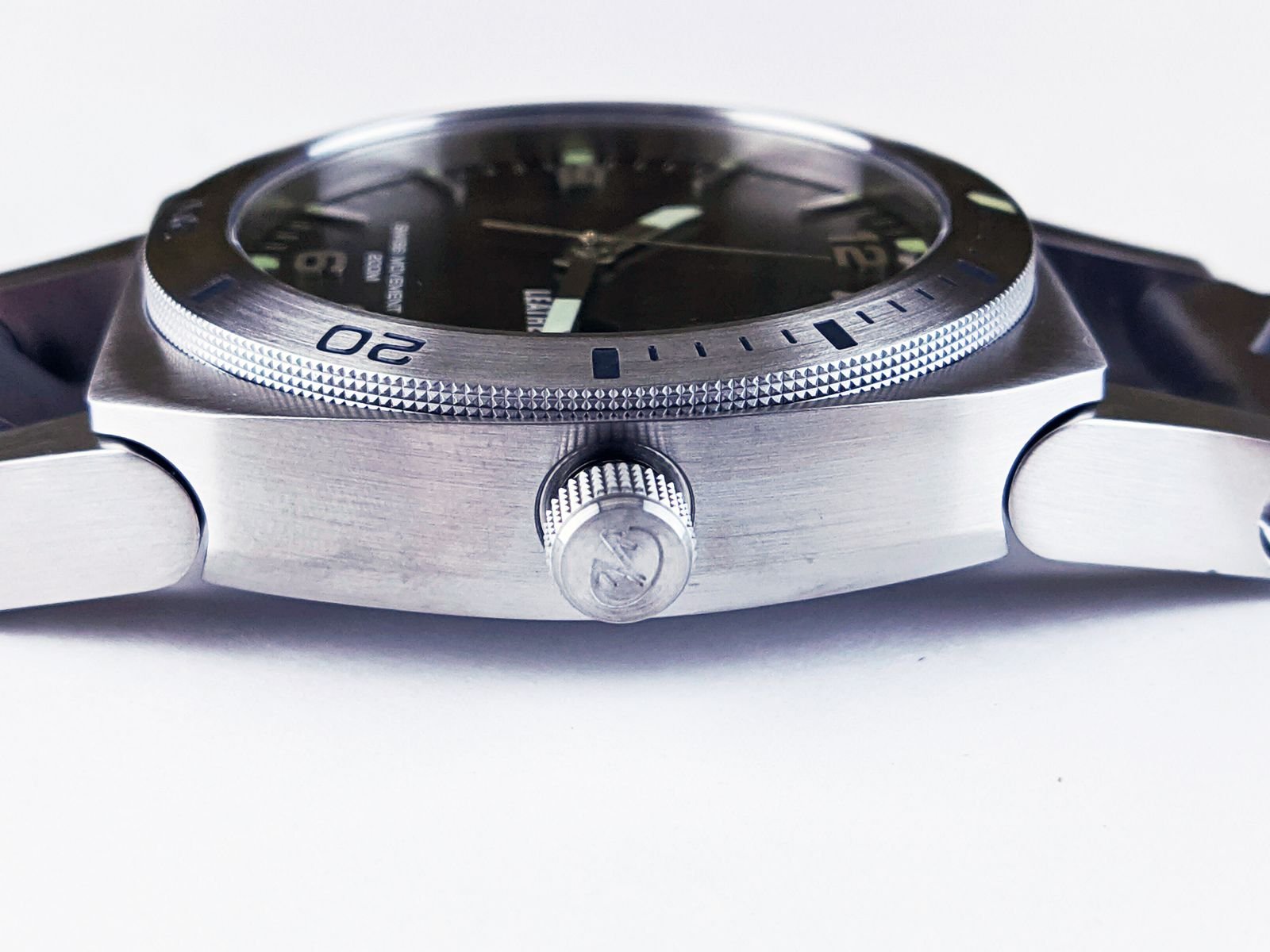
Luxury Swiss chronometer dial photographed in close-up

A chronometer label can look like a simple promise that a watch keeps excellent time. In practice, the three names shoppers encounter most often—COSC Chronometer, METAS Master Chronometer, and Rolex Superlative Chronometer—describe different test programs. They do not examine exactly the same object, apply the same rate limits, or cover the same performance traits. That … Read more