

A metal bracelet can make a watch feel wonderfully integrated—or surprisingly awkward. One removed link may leave the watch pinching by lunchtime, while adding that link can make the case roll toward the outside of the wrist. The frustrating part is that bracelet sizing rarely produces one mathematically perfect answer. Wrist shape, case weight, clasp length, temperature, and even where you place the watch all affect the result.
So, how tight should a watch bracelet be? Aim for a secure fit with a small amount of freedom. The case should remain mostly centered on top of your wrist, the bracelet should not squeeze or cause numbness, and your wrist should have room to expand during the day. The familiar “one-finger test” is a useful starting point, but it is not the final verdict. A better assessment combines comfort, stability, clasp position, and a full day of wear.
The Short Answer: Secure, Not Restrictive
A correctly sized bracelet feels close to the wrist without acting like a clamp. You should normally be able to slide a fingertip under the bracelet or clasp with mild resistance. The watch may shift a few millimeters when you move, but it should not repeatedly cross the wrist bone, strike the back of your hand, or rotate beneath your wrist.
Use these signs as a practical baseline:
- About right: the watch stays mostly upright, a fingertip fits underneath, and the bracelet remains comfortable when your hand is flexed.
- Too tight: you feel pressure, pinching, tingling, or numbness; the bracelet leaves deep marks; or the clasp becomes uncomfortable as the day warms.
- Too loose: the watch head rolls around the wrist, slides onto the hand, knocks into objects, or forces you to keep repositioning it.
Light impressions after wearing a bracelet are not automatically a problem. Socks, rings, and watch bands can all leave temporary marks. Persistent deep grooves, pain, changes in sensation, or skin that bulges strongly between links are clearer warnings that the bracelet needs more room. If you experience ongoing numbness, swelling, discoloration, or pain, remove the watch; bracelet sizing is not a substitute for medical advice.
Where a Watch Should Sit on Your Wrist
For most wearers, the easiest position is just behind the wrist bone, toward the elbow. This gives the case a relatively flat platform and prevents the crown from pressing into the back of the hand. Wearing the watch directly over the joint or down on the hand makes a loose bracelet feel even less controlled. Tightening it aggressively to hold that low position often creates a new comfort problem.
Case dimensions matter as much as bracelet circumference. If the lugs extend beyond the usable flat area of your wrist, the bracelet may drop sharply at the edges and feel tight even when its total length seems generous. A thick, top-heavy dive watch may need a slightly closer fit than a slim dress watch because greater case mass encourages rotation.
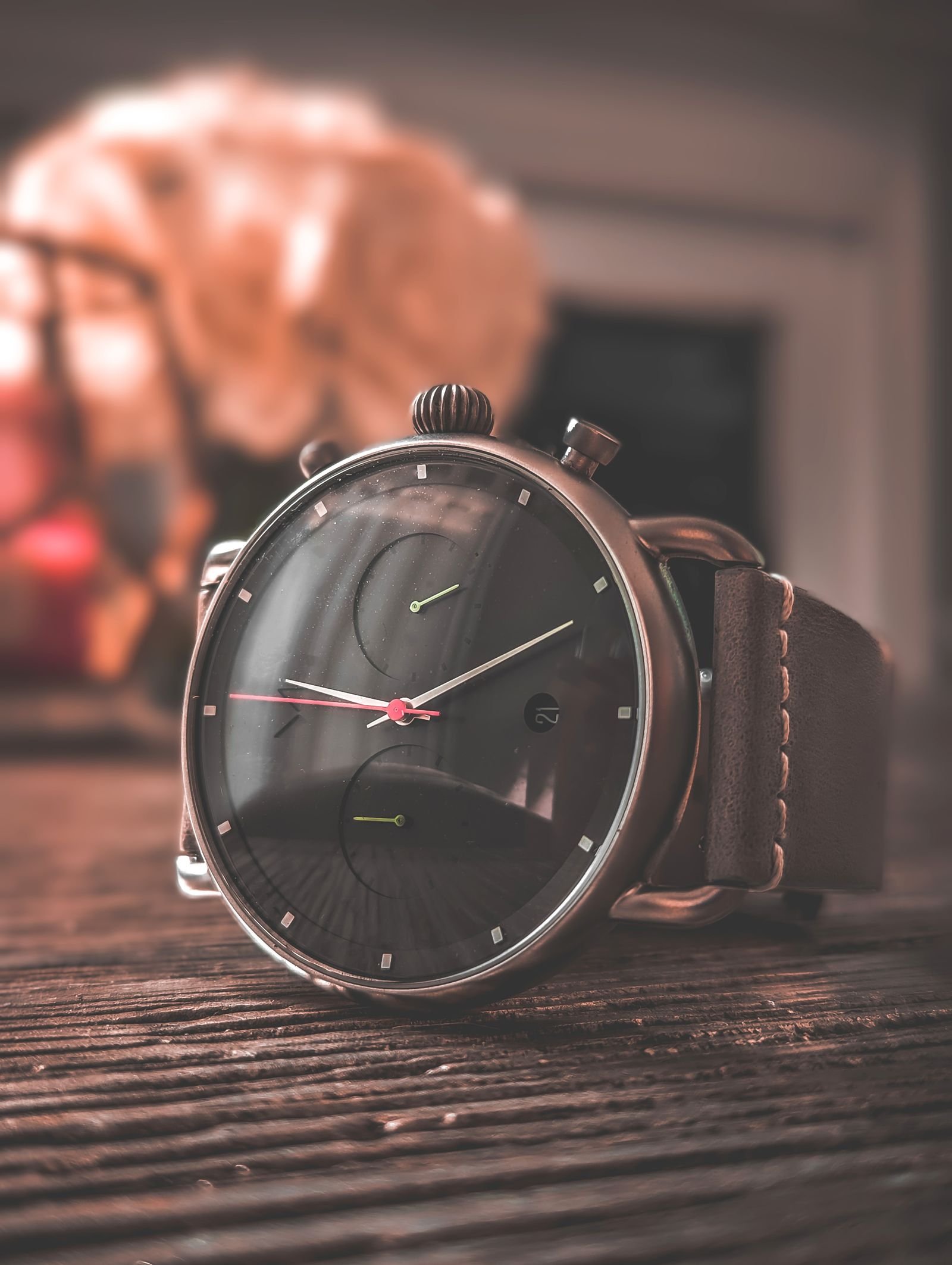
The underside also deserves attention. A clasp does not have to look perfectly centered from the outside, but the clasp blade should follow the flatter underside of your wrist instead of digging into an edge. Because human wrists are not symmetrical, equal numbers of links on both sides do not always produce the best balance.
Four Tests for a Reliable Watch Bracelet Fit
1. Start with the fingertip test
Slide the tip of your index finger under the bracelet near the clasp. It should enter without force, but there should not be enough open space for two fingers to move freely. Treat this as a screening test rather than a universal measurement: finger size and bracelet construction vary.
2. Check the watch-head test
Let your arm hang naturally, then turn your wrist through normal movements. A little migration is harmless. If the dial repeatedly falls to the side or underside, the bracelet is probably too loose, poorly balanced, or attached to a case that is too top-heavy for the current setting.
3. Try the desk test
Rest your forearm on a desk, type, and bend your wrist as you normally would. This position changes the shape of the wrist and exposes pressure points that are easy to miss while standing. If the clasp edge bites, the crown contacts your hand, or the bracelet becomes restrictive, adjust the position or add a small amount of length.
4. Wear it through a normal day
Do not judge the final fit only in an air-conditioned store. Wrists commonly change circumference with heat, exercise, hydration, travel, and time of day. A bracelet sized snugly on a cool morning may feel much tighter after a walk in warm weather. The best setting works across your normal range, or can be changed easily with an extension system.
Why Micro-Adjustment Often Matters More Than a Full Link
Removable links make coarse changes. The gap between two link combinations may be larger than your wrist can comfortably tolerate, which creates the classic “one link too tight, one link too loose” problem. Before accepting either extreme, inspect the clasp for smaller adjustment options.
Depending on the bracelet, you may have:
- Several spring-bar holes inside the clasp
- A half-link or links of different lengths
- A tool-free sliding adjustment
- A fold-out comfort extension
- A longer extension designed for diving equipment
These systems are not interchangeable. A dive extension can add much more length than daily wrist swelling requires, while a true micro-adjustment changes the bracelet in small increments. Rolex, for example, describes its Easylink comfort extension as adding approximately 5 mm—enough to change the feel without reconfiguring the bracelet. Other brands use proprietary push-button or sliding clasps, so consult the manual for your model.
If your clasp has three micro-adjustment holes, move one position at a time and retest. Do not force a spring bar into place. It can launch across the room, scratch the clasp, or sit incompletely in its hole. If you cannot clearly identify the link system or correct direction of removal, a watchmaker or jeweler is the safer choice.
How to Balance the Bracelet and Clasp
Bracelet length is only half the job. Link distribution determines where the clasp and watch head settle. A poorly balanced bracelet can rotate even when the circumference is correct.
Start by closing the watch around your wrist and looking at the clasp blade from below. If it sits far toward one side, consider moving a removable link from one bracelet half to the other while keeping the same total number of links. On many conventional folding clasps, a slightly shorter six-o’clock side can help keep the watch head from drifting away from you. This is a starting point, not a law; wrist anatomy and clasp geometry decide the final arrangement.
Do not chase visual symmetry at the expense of comfort. The outer clasp cover can appear off-center even while the blade is well positioned. What matters is that the watch remains stable, the folding parts lie against a comfortable area, and no hard edge concentrates pressure.
Different Bracelet and Strap Types Need Different Judgments
Metal link bracelets
Steel, titanium, and precious-metal bracelets do not stretch to accommodate daily swelling. Leave modest breathing room and use the clasp adjustment when available. Highly articulated small links tend to conform better than long, rigid links.
Milanese and mesh bracelets
Mesh can offer nearly continuous sizing, but the clasp must be locked correctly. Too much looseness lets the heavier case migrate; too much tension may cause the mesh edge to irritate skin. Confirm that the sliding clasp is fully secured after adjustment.
Leather straps
Leather should be comfortably close but not pulled so hard that the strap sharply creases around the buckle. New leather often softens and conforms during initial wear. Avoid making new holes too close together, which can weaken the material.
Rubber and fabric straps
Rubber may feel warmer and less breathable, so a slightly more relaxed setting can help. Fabric passes under some cases and raises the watch head; that added height can make a loose watch feel unstable. Size for the complete setup, not the strap alone.
Safe Ways to Resize a Watch Bracelet
First identify whether the bracelet uses screws, split pins, pin-and-collar construction, or another proprietary system. Arrows on the underside often show pin-removal direction, but they do not explain every component. Tiny collars can fall out unnoticed, and reinstalling a pin without its collar may leave the bracelet insecure.
- Work on a clean, well-lit surface covered with a soft mat.
- Photograph the original link and clasp arrangement.
- Make one change at a time.
- Keep every removed link, screw, pin, and collar labeled together.
- After reassembly, gently pull both sides of each altered joint and confirm that all fasteners sit correctly.
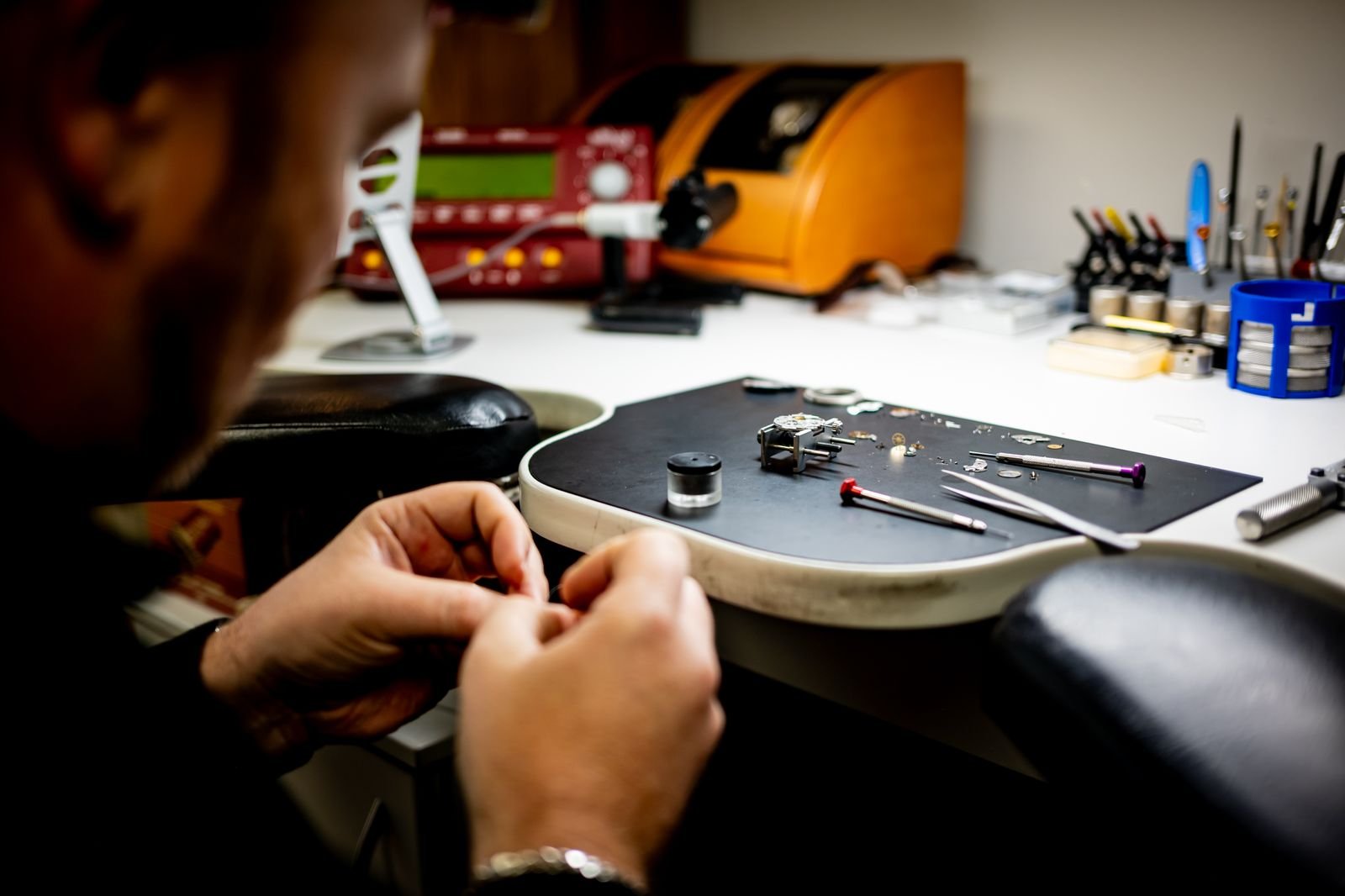
Professional help is especially worthwhile for expensive watches, ceramic components, integrated bracelets, stripped screws, or pin-and-collar systems you have not handled before. Resizing is inexpensive compared with replacing a lost watch or refinishing a deeply scratched clasp.
Common Bracelet-Fit Mistakes
- Sizing immediately after exercise: your wrist may be temporarily expanded, producing an overly loose everyday setting.
- Ignoring seasonal changes: a winter fit may need a micro-adjustment in summer.
- Removing all links from one side: the circumference may be correct while the clasp becomes badly positioned.
- Using the watch crown as a position marker: the crown should not dig into your hand; move the watch behind the wrist bone.
- Assuming “tight” protects the watch: excessive tension is uncomfortable and can load bracelet joints; security comes from a sound clasp and correctly installed fasteners.
- Discarding removed parts: future resale, seasonal resizing, or a different owner may require the original links.
Frequently Asked Questions
Should a watch leave a mark on your wrist?
A faint temporary impression can be normal, especially with a heavier watch. Deep marks, pain, tingling, numbness, or lasting irritation indicate that the fit or wearing position should change.
Should a watch slide on your wrist?
A small amount of movement is normal. It should not travel several centimeters, repeatedly fall onto your hand, or rotate to the underside during ordinary activity.
Is the one-finger rule accurate?
It is a useful starting point, not a precise standard. Confirm the result with the desk test, watch-head stability, and several hours of real wear.
What if adding one link is too loose but removing it is too tight?
Look for clasp micro-adjustment, a half-link, or a brand-specific comfort extension. A different link distribution may also improve stability without changing total length.
Should the clasp be centered under the wrist?
The folding blade should rest on a comfortable, relatively flat area. The visible clasp cover does not need perfect visual symmetry if the watch is stable and comfortable.
Can I resize a watch bracelet myself?
Simple systems can be adjusted with the correct tools and care. Use a professional for unfamiliar pin-and-collar designs, ceramic links, integrated bracelets, damaged fasteners, or valuable watches you do not want to risk scratching.
Conclusion
The answer to “how tight should a watch bracelet be?” is not a fixed wrist measurement. The right fit is secure enough to keep the dial mostly centered, relaxed enough to accommodate natural swelling, and balanced so the clasp does not create a pressure point. Begin with the fingertip test, wear the watch behind the wrist bone, and judge it at a desk and over a full day.
When the fit falls between two link combinations, micro-adjustment and link distribution usually provide a better solution than simply choosing tight or loose. Take your time, keep every removed component, and let a professional handle any bracelet whose construction is unclear. A few millimeters can transform a watch from something you constantly notice into something you comfortably wear.