
Can You Polish Scratches Out of a Watch Crystal? A Material-by-Material Guide
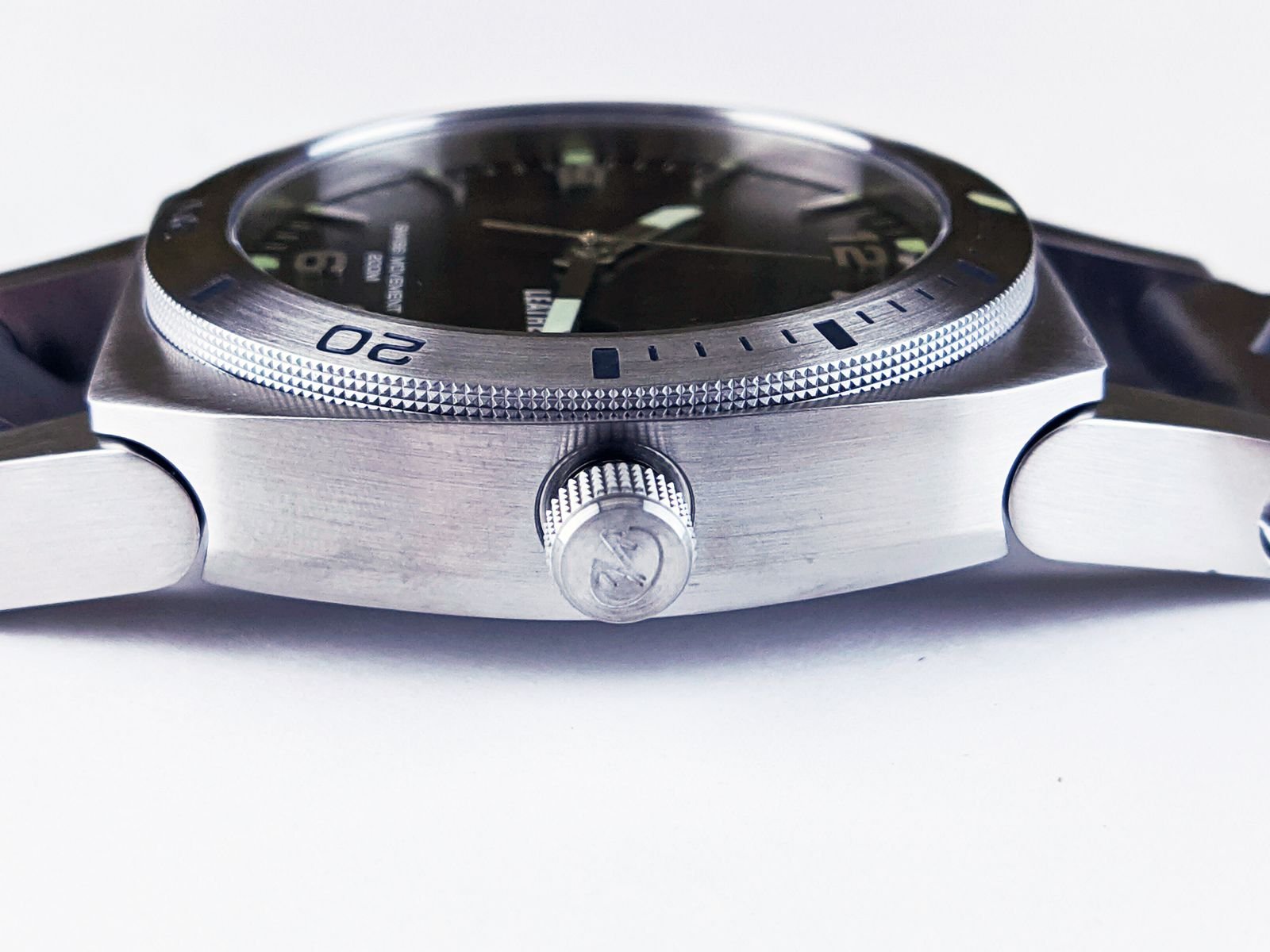
A scratch across a watch crystal can look disastrous under bright light, yet the correct remedy depends less on how annoying the mark is than on what the crystal is made from. A light scuff on acrylic may be a realistic home-polishing job. The same approach on mineral glass can waste time, while an abrasive experiment on coated sapphire may turn one small defect into a larger, hazy patch.
This guide explains when you can polish scratches out of a watch crystal, how acrylic, mineral glass, and sapphire differ, and when replacement is safer. The goal is not to erase every mark at any cost. It is to restore useful clarity without damaging the crystal, coatings, case, or water resistance.
Identify the Watch Crystal Material First
Do not begin with toothpaste, metal polish, sandpaper, or a generic glass compound. Begin with the watch reference. A model page, manual, archived catalog, or authorized service center can usually confirm whether the front crystal is acrylic, mineral glass, hardened mineral glass, sapphire, or a proprietary layered material. This is safer than tapping sounds, water-drop tests, or deliberate scratch tests.
Acrylic is a transparent plastic, also described as hesalite, Plexiglas, or plastic glass. It was widely used on vintage watches and remains valuable where impact behavior, low weight, or historical authenticity matters. It scratches more readily than glass, but that relative softness is why many superficial marks can be polished.
Mineral watch glass is harder than acrylic and common on affordable and mid-priced watches. Manufacturers may temper or chemically harden it. Once mineral glass is visibly scratched, however, restoring an even optical surface is difficult without professional machinery. TAG Heuer’s material explanation notes that scratched or chipped mineral glass generally cannot be repaired like acrylic and is normally replaced.
Synthetic sapphire is extremely scratch-resistant. IWC, Oris, and other manufacturers rate it at 9 on the Mohs scale. It is not impossible to mark: very hard mineral particles and diamond abrasives can scratch it. Sometimes an apparent sapphire scratch is actually damaged anti-reflective coating, transferred material, or a mark on the bezel beside the crystal.
Some watches complicate identification. Sapphire may have anti-reflective coating inside, outside, or on both surfaces. Hybrid crystals may combine layers or treatments. A vintage watch may have received a replacement during an earlier service. If documentation and the installed part may differ, ask a watchmaker to identify it before using abrasives.
Can You Polish an Acrylic Watch Crystal?
Yes. Light scratches and cloudy wear on a confirmed acrylic watch crystal can often be polished successfully. A purpose-made acrylic polish removes or redistributes a very thin surface layer, reducing the sharp edges that scatter light. The result may look dramatic even though no new crystal material has been added.
Follow the exact product instructions. PolyWatch’s official directions for its plastic polish call for a small amount and polishing with the supplied cloth or cotton wool under firm pressure for two to three minutes, with another treatment if needed. Advice for another plastic or compound may not apply.
A conservative acrylic polishing method
- Confirm the material. Use the reference, manual, or service documentation. Do not assume every vintage-looking dome is acrylic.
- Inspect for cracks. A crack, edge split, deep gouge, loose crystal, or damage near a tension ring calls for professional evaluation.
- Clean first. Remove loose grit with a clean, soft cloth appropriate for the watch. A trapped particle can cut new circular scratches.
- Protect nearby surfaces. Keep compound away from brushed case finishes, painted bezels, gaskets, pushers, and openings. If that cannot be done safely, let a watchmaker remove and polish the crystal.
- Use acrylic-specific polish. Work evenly, follow the maker’s time and pressure guidance, and inspect in clean angled light after each short cycle.
- Stop when clarity is acceptable. Chasing one deep line can distort the crystal or remove too much material.
Polishing works best for shallow scratches that catch the light but barely catch a fingernail, general haze, and clusters of fine marks. Deep grooves may require staged professional refinishing, and replacement can be more sensible. On a collectible vintage watch, preserving an original signed or period-correct crystal may justify a specialist’s restrained approach.
Can Mineral Glass Scratches Be Polished?
For most owners, replacement is the practical solution. Mineral glass is hard enough that hand polishing is slow and inconsistent, but soft enough to acquire visible scratches. Removing a scratch means lowering the surrounding surface to the depth of the damage and restoring optical clarity. Without controlled equipment, the result may be a distorted patch, uneven reflection, or haze.
Online tutorials sometimes recommend cerium oxide or diamond compounds. Those materials have legitimate glass-finishing uses, but an assembled watch is not a loose flat window. Heat, slurry, abrasive contamination, curved geometry, coatings, seals, and nearby case finishes introduce risk. A compound that cuts glass can also remove coating or lodge around the bezel.
On many everyday watches, a correct new mineral crystal costs less than professional resurfacing. A watchmaker can order the right profile and thickness, replace the gasket when required, and test water resistance after the crystal seal has been disturbed.
Do not keep wearing a watch with a chipped edge or spreading crack. The crystal’s protective role has been compromised. Small fragments can detach, moisture resistance may be reduced, and pressure on the damaged area can worsen the fracture.
Can a Scratched Sapphire Crystal Be Polished?
Sapphire can be polished industrially, but that does not make a mounted watch crystal a sensible home project. Because synthetic sapphire is so hard, meaningful material removal generally requires diamond abrasive, careful surface control, and specialized equipment. Time and risk usually make replacement the standard repair for a genuine scratch.
Before authorizing replacement, verify what is marked. Clean the crystal according to the watchmaker’s care guidance and inspect it under light from several angles. Material transferred from metal, paint, or masonry may sit on the surface. Never scrape it with a blade. A service professional can distinguish residue from a groove without a destructive test.
Anti-reflective coating is another source of confusion. A sapphire substrate may remain intact while an exterior coating is scuffed. The mark may look bluish, rainbow-colored, or different as the viewing angle changes. Polishing one spot can strip more coating and create an obvious mismatch. Depending on the watch, sensible options may include crystal replacement, professional removal of the complete external coating, or accepting the cosmetic mark until service.
Sapphire’s scratch resistance should not be confused with immunity to impact. Oris notes that sapphire is more impact-sensitive than mineral crystal. A sharp blow can chip an edge or fracture the crystal even if years of ordinary wear left it nearly unmarked. Any chip, crack, or sudden concern about water resistance warrants inspection.
How to Choose Between Polishing and Replacement
Ask four questions: What is the material? How deep is the damage? Is there a coating? Does the crystal still seal and protect the watch? Cosmetic severity alone is not enough.
- Polish at home: confirmed acrylic, superficial marks, no cracks or edge damage, no special coating, and a case that can be protected safely.
- Ask a watchmaker first: unknown material, vintage or valuable watch, shaped crystal, exterior anti-reflective coating, deep acrylic scratch, or uncertainty about an earlier replacement.
- Replace: cracked or chipped crystal, most visibly scratched mineral glass, genuinely scratched sapphire, optical distortion, loose fit, or suspected loss of sealing integrity.
A replacement is not complete when the transparent part snaps into place. Correct fit, gasket condition, orientation where relevant, cleanliness under the crystal, and pressure testing all matter. If the watch is water-resistant, ask whether the repair includes an appropriate dry or wet pressure test. Water resistance describes the assembled watch’s current condition, not a permanent promise printed on the dial.
Cost depends on more than material. Domed and boxed profiles, magnifiers, shaped sapphire, printed logos, integrated gaskets, tension rings, and brand-specific parts can change the job. Request an itemized estimate and ask whether the replacement is original, manufacturer-approved, or aftermarket. That distinction may matter for a collectible watch.
Mistakes That Can Make Damage Worse
- Using toothpaste as a universal fix. Its formulation is not controlled for watch crystals, and residue can collect around bezels and seals.
- Trying a scratch test. A knife, file, or abrasive can create the damage you were trying to diagnose.
- Polishing one deep line aggressively. This can produce a lens-like depression and visible distortion.
- Ignoring anti-reflective coating. The substrate may be hard while its outer coating is vulnerable.
- Using power tools on an assembled watch. Heat, lost control, and abrasive contamination threaten the crystal, case, seals, and movement.
- Assuming clarity restores water resistance. Appearance says nothing about the gasket or case seals.
Frequently Asked Questions
How can I tell whether a scratch is in coating or sapphire?
Coating marks often change color or visibility with angle, but appearance is not conclusive. Confirm whether the model has exterior anti-reflective coating and let a watchmaker inspect it. Abrading a test area can enlarge the cosmetic problem.
Will acrylic polish remove a deep scratch completely?
Not always. Removing a deep groove requires removing more surrounding material, which may change the profile or optical quality. Stop if repeated short treatments produce little improvement.
Can I use acrylic polish on mineral or sapphire?
No reliable result should be expected. Plastic polish does not turn hard mineral glass or sapphire into an easy hand-polishing job and may affect coatings.
Does a scratched crystal reduce water resistance?
A shallow surface scratch may not, but a chip, crack, loose crystal, or disturbed seal can. Only an appropriate pressure test confirms current water resistance.
Should a scratched crystal be replaced during service?
It depends on material, damage, part availability, value, and originality. Ask the service center to quote it separately and return the old part where policy allows.
Conclusion
You can polish scratches out of a watch crystal when the installed part is confirmed acrylic and the damage is superficial. Mineral glass is usually better replaced, while genuine sapphire scratches and damaged exterior coatings belong with a professional. Identification is the decisive first step. A patient, material-specific response protects legibility, case finishing, sealing integrity, and long-term value.
Technical references include the polyWatch instructions, TAG Heuer crystal overview, IWC sapphire details, and Oris sapphire guidance.