
Watch Crown Pulled Out Completely? What to Do Next
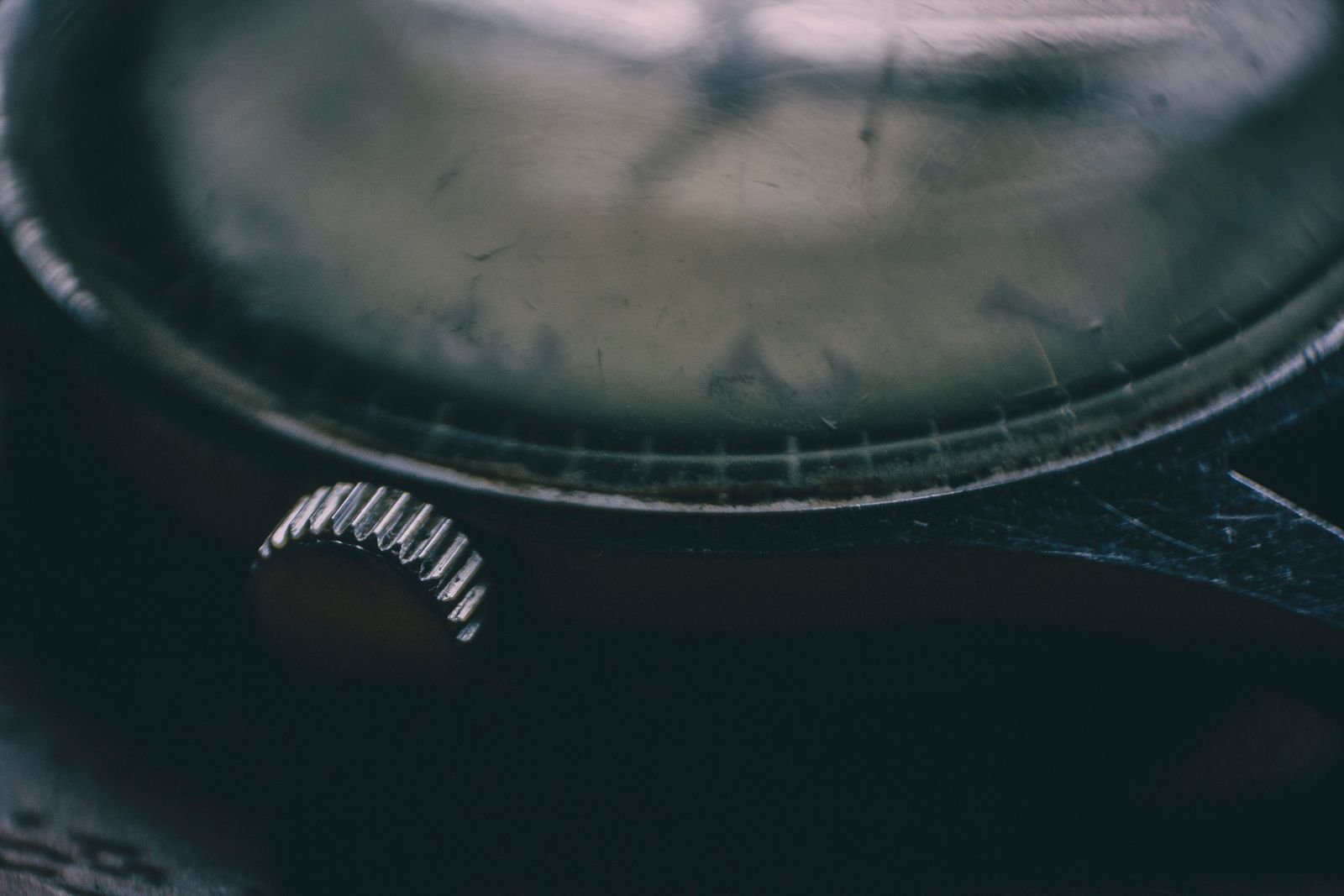
A watch crown pulled out completely is different from a crown sitting in its normal time-setting position. If the knob comes away from the case—often with a thin metal shaft attached—the winding stem has left the movement. The watch may keep running, stop immediately, or appear unaffected for a while, but its case is no longer reliably sealed and further handling can turn a modest repair into a more expensive one.
The safest response is simple: stop operating the watch, save every loose part, keep the case dry, and arrange professional inspection. Do not push the stem back into the opening merely because it appears to fit. The underlying cause may be a loosened setting-lever screw, a broken stem, damaged keyless works, or an incorrect stem release from an earlier repair. This guide explains what you can observe without opening the case, what those clues may mean, and how a watchmaker normally approaches the problem.
First Confirm That the Crown Is Actually Detached
A normal crown can have several deliberate positions. In the fully pushed-in position, it may wind the movement or simply sit against the case. The first click often controls a calendar function, while the second click commonly sets the time. Manufacturer instructions show these as stable operating positions; the crown remains connected to the case through the winding stem.
A screw-down crown adds a stage that can look unusual. After it is turned counterclockwise, it releases from the case threads and may spring outward slightly. Citizen describes that released point as position 0, and Seiko explains that the crown can then be pulled outward for its setting functions. This is normal: the crown is still attached, cannot be lifted away from the watch, and should move through distinct clicks.
A detached crown is unmistakably separate. You may be holding the crown alone, the crown with a long stem attached, or the outer portion of a two-piece stem. The case will have an exposed crown-tube opening. Do not confuse a crown that has merely unscrewed from its tube with one that has unscrewed from—or pulled out with—the stem. If the complete assembly leaves your hand and the watch, treat it as a fault even if it slides back into the hole.
What to Do Immediately
- Stop turning or testing it. Repeated insertion can bend the stem, displace setting components, scratch the dial-side mechanism, or carry debris through the tube.
- Collect the loose parts. Place the crown and any attached shaft in a clean, rigid container or small sealable bag. Do not wipe them with a fibrous cloth and do not apply oil or adhesive.
- Keep the watch dry. An open crown tube defeats the practical water protection of the case. Remove the watch from your wrist and keep it away from sinks, rain, steam, and humid bathrooms.
- Protect the case opening. Put the watch in a clean watch box or container. Do not stuff tissue, tape, wax, or a plug into the tube; residue can complicate repair.
- Record what happened. Note whether you were winding, setting the date, setting the time, or simply unscrewing the crown. Mention any recent impact or service.
- Contact a qualified repairer. Use an authorized service center for a watch under warranty or a watch whose brand restricts parts. A competent independent watchmaker may be appropriate for many out-of-warranty mechanical watches.
If the watch was wet when the crown came out, or water may already have entered, make that clear when requesting service. Internal moisture can cause corrosion quickly. Do not try to dry the movement with heat, rice, compressed air, or a hair dryer.
Why a Watch Crown Can Pull Out Completely
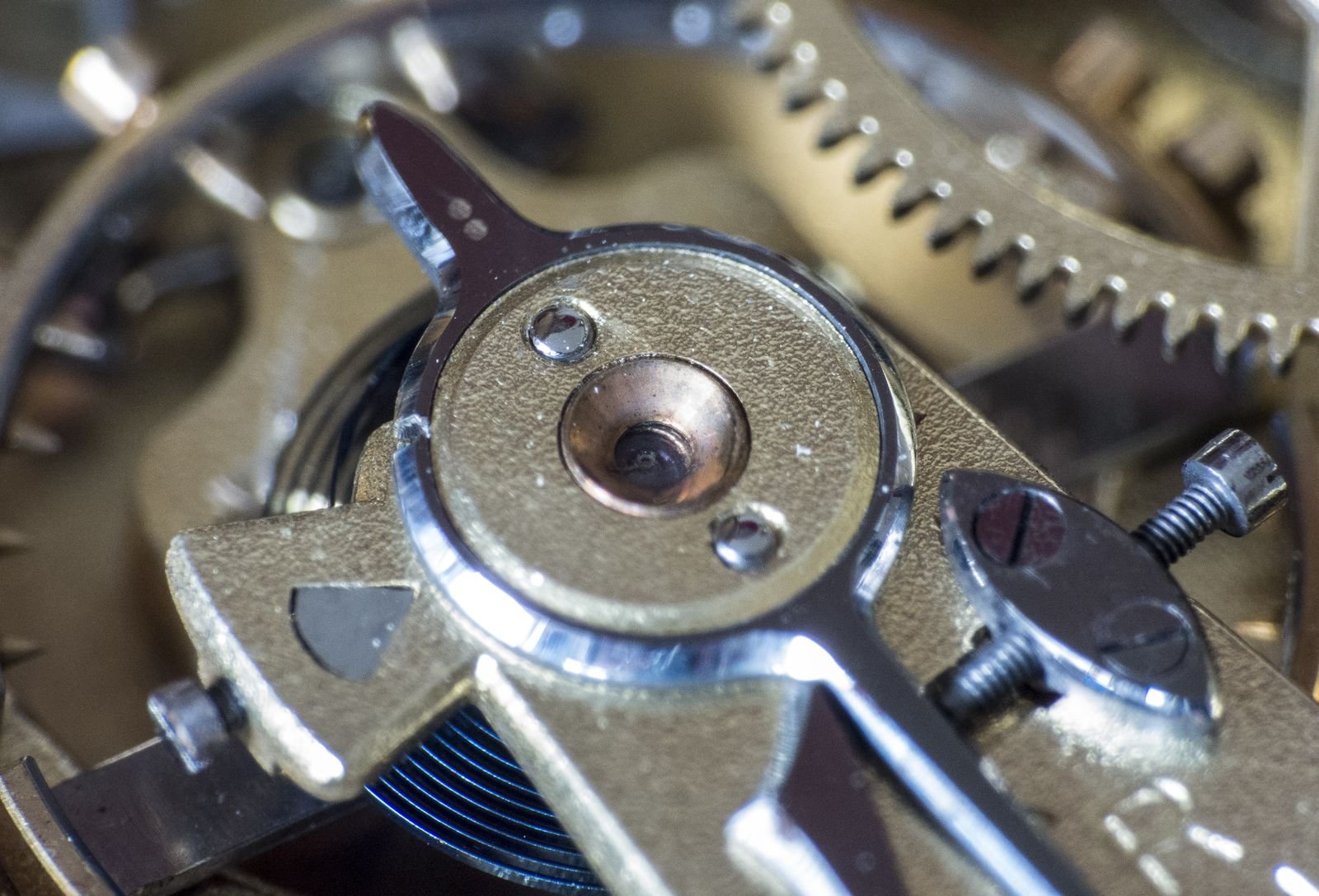
The stem was released inside the movement
The winding stem is retained by the setting mechanism, commonly called the keyless works. During servicing, a watchmaker presses a release point or loosens a designated screw so the stem can be removed. If that retainer is loose, misadjusted, damaged, or accidentally disturbed, the stem may slide out during ordinary crown use.
This does not mean the owner should open the watch and tighten the nearest screw. Some movements use a screw that must only be loosened by a controlled amount. Backing it out too far can release parts beneath the dial, turning an external stem refit into a dial-and-hands removal job.
The stem has broken
A stem can fracture after impact, corrosion, metal fatigue, forceful operation, or a crown being caught on clothing. Examine the loose piece without manipulating it. A long, continuous shaft suggests the stem may have left its retainer intact; a short or jagged remnant suggests a break. This visual clue is helpful but not conclusive because stem designs differ and some watches use split stems.
The crown unscrewed from the stem
The crown itself is normally secured to a threaded end of the stem. If that joint loosens, the crown may come off while much of the stem remains inside the watch. A repairer must check the crown and stem threads, establish the correct assembled length, secure the connection appropriately, and verify every crown position. Household glue is not a substitute for that work.
A split stem separated
Some watches—especially certain front-loading, monocoque, or vintage constructions—use a two-part stem designed to separate for case access. Separation can still require service, but it is not necessarily a snapped component. The reference and movement must be identified before anyone decides whether the pieces can be reused.
The crown, tube, or keyless works were already damaged
A wobbling crown, gritty setting action, unreliable clicks, cross-threading, or a history of hard impacts may precede complete detachment. Wear in the setting lever, yoke, sliding pinion, crown tube, or related components can overlap in symptoms. External appearance alone cannot identify the exact failed part.
Can You Push the Crown and Stem Back In?
Physically, the stem may slide into the opening. Mechanically, that does not make reinsertion safe. The stem has flats, grooves, and shoulders that must engage several components in a specific alignment. Forcing it can bend the tip, move the sliding pinion incorrectly, or damage the setting lever. Even if the crown seems to click into place, you have not proved that the calendar, time setting, winding, thread engagement, seals, and stem retention all work correctly.
There is also a cleanliness problem. The open tube and loose stem may have collected dust or fibers. Pushing them inward can carry contamination into the movement. A repairer can inspect and clean the parts under magnification rather than gambling on a blind refit.
The only reasonable owner action is to preserve the loose assembly. Do not twist the crown off the stem, trim anything, use pliers, add thread-locking compound, or operate a visible release button. Online advice about pressing a detent applies to trained movement handling, not to a cased watch with an unknown fault.
Does the Watch Need to Stop Running?
If a mechanical watch continues running, let it run down naturally. Do not shake it to maintain power and do not attempt to wind it through the exposed tube. On an automatic, ordinary rotor movement during transport may add some energy, but there is no benefit in deliberately keeping it running. Place it dial-up in a padded, dry container.
If a quartz watch continues running, the detached crown may leave it unable to set the time or date. Some quartz movements stop the seconds hand when the crown reaches the time-setting position; others behave differently. Continued ticking neither proves that the stem is intact nor makes the case safe around water.
If the watch stops when the crown comes out, that can simply mean the movement is in a hacking or setting state. It can also reflect damage. Do not use whether it ticks as a pass-or-fail test.
What a Proper Repair Usually Includes
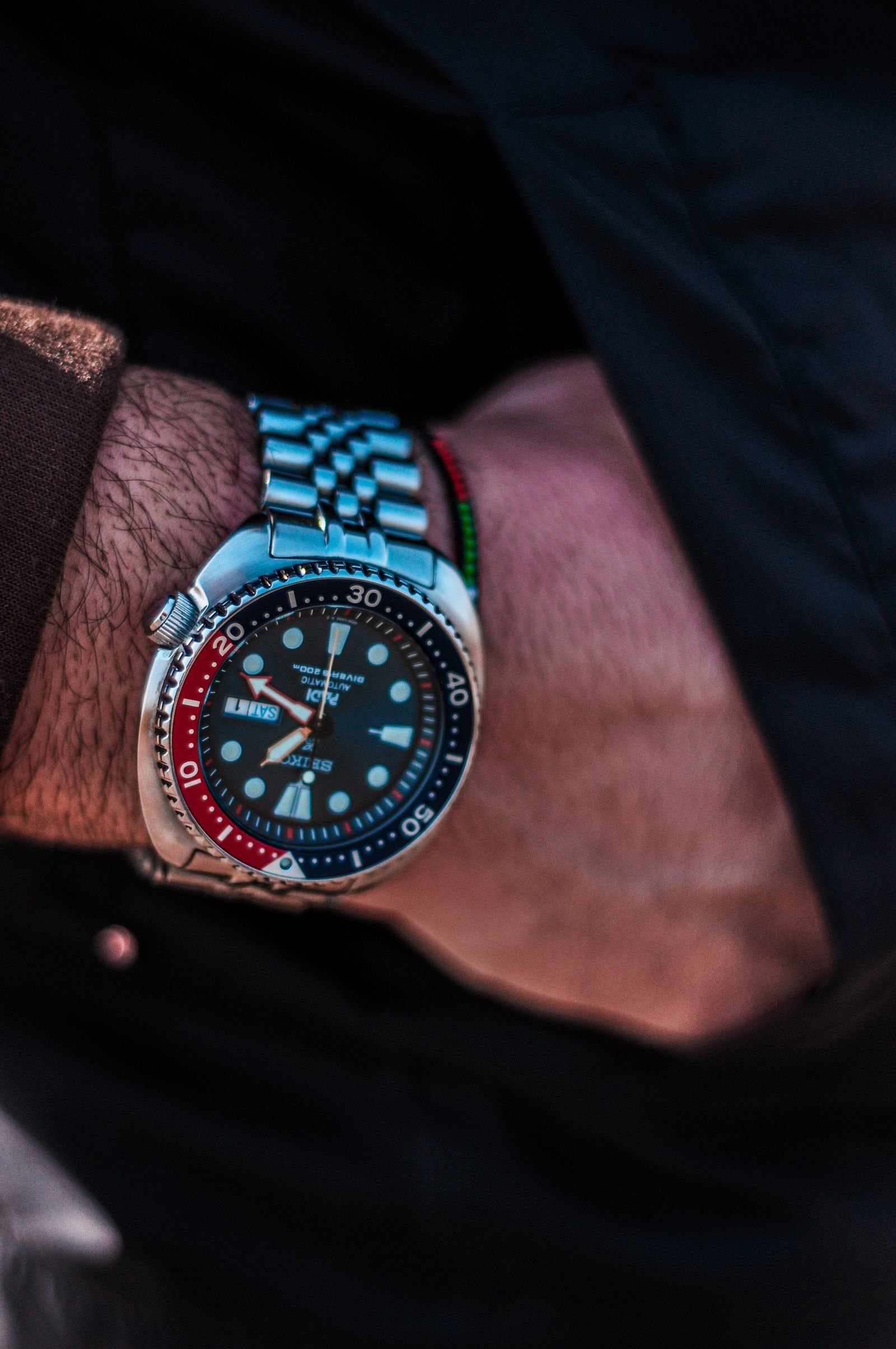
A watchmaker first identifies the watch reference and movement, then inspects the crown, stem, tube, and visible fracture surfaces. The case is opened in a controlled environment so the keyless works can be checked. If the stem merely disengaged, the repair may involve correcting the retainer and refitting the assembly. A broken or corroded stem normally requires replacement and sizing. Damaged components beneath the dial may require removal of the hands and dial.
The technician should then test each function: manual winding where supported, quick-set calendar operation, time setting, hand clearance, hacking, crown-position retention, and screw-down engagement where applicable. The crown should sit at the correct distance from the case without pulling the stem sideways.
Water protection deserves separate attention. Manufacturer instructions consistently require screw-down crowns to be fully secured before water exposure and warn against forcing the threads. Once a crown or stem has detached, seals may be displaced or damaged. After repair, gasket inspection and an appropriate pressure test are the only meaningful ways to re-establish confidence in water resistance. A crown that merely “looks closed” is not enough.
How Urgent Is the Repair?
Arrange prompt service, but avoid panic. A clean, dry watch stored safely for a short period is usually better protected than one subjected to repeated home experiments. Same-day attention is sensible when the watch was exposed to water, condensation is visible, the stem broke after a severe impact, or loose metal may be inside the case.
For a valuable vintage watch, ask the repairer to retain replaced original parts and discuss crown replacement before work begins. An original signed crown can matter to collectors, but originality should not justify leaving the case unsealed or the watch unusable. A skilled repairer can explain whether the existing crown can be retained with a new stem or whether wear makes replacement necessary.
For a watch under warranty, do not authorize an unrelated shop to open it until you understand the warranty terms. Photograph the watch and detached components, record the serial or service documentation, and contact the brand or selling dealer.
Frequently Asked Questions
Is a crown pulled to the second click the same as a crown pulled out completely?
No. At the second click, the crown remains attached and normally controls time setting. A completely detached crown can be lifted away from the case, often with all or part of the stem visible.
Can a watch still run without its crown?
Yes. The balance or quartz circuit may continue running even though the stem assembly is missing. That does not mean the watch is sealed or that the setting mechanism is undamaged.
How much does a detached watch crown cost to repair?
Cost depends on whether the stem only disengaged, the stem or crown threads broke, parts beneath the dial were damaged, proprietary components are required, and water-resistance testing is included. A physical inspection is needed for a reliable estimate.
Can I glue a watch crown back onto the stem?
No. Glue can contaminate the tube and movement, interfere with future service, set the wrong stem length, and fail under winding load. It also cannot restore damaged threads, retention, or water resistance.
Is the watch waterproof after the crown is reinserted?
Do not assume so. The crown, tube, gasket, and stem fit must be inspected, and water resistance should be verified with appropriate pressure testing after repair.
Conclusion
When a watch crown pulls out completely, the most useful thing you can do is very little: preserve the parts, protect the open case from moisture and dirt, and stop testing it. Normal crowns move through designed clicks, and screw-down crowns release outward when unlocked, but neither should separate from the watch. Because a loose retainer, broken stem, unscrewed crown, split stem, and damaged keyless works can look similar from outside, professional inspection is the shortest route to a reliable repair. Ask for functional checks and water-resistance testing before the watch returns to your wrist.