
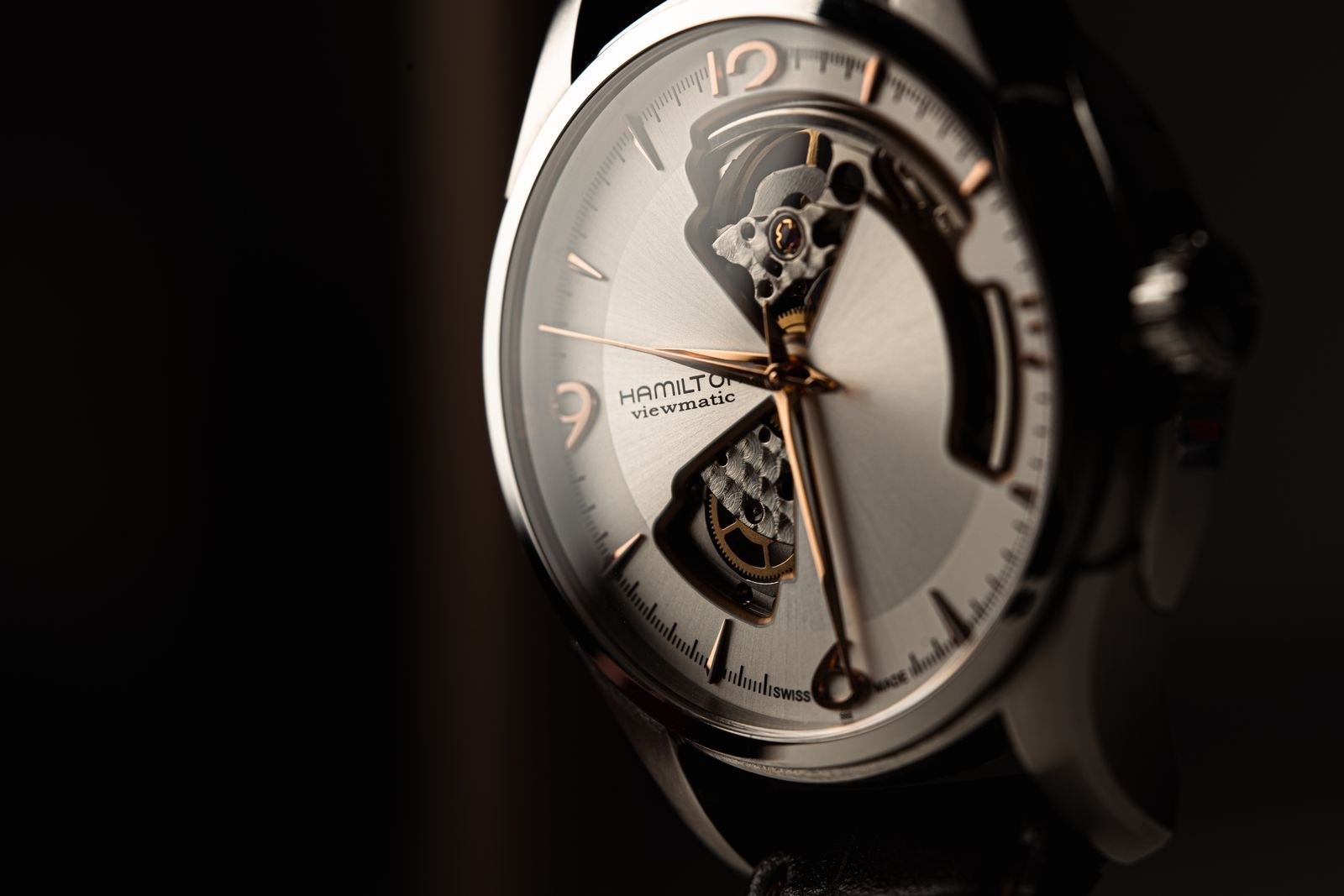
If you are looking for dependable Tudor MT5612 winder settings, the strongest starting point is usually 650 turns per day (TPD) in bidirectional mode. That recommendation is not an official Tudor programming sheet, but it is the number that shows up most consistently across dedicated watch-winder references for MT5612-powered watches such as the Pelagos family.
That distinction matters. Owners often want a single magic answer, but a watch winder should be set by combining what the movement is designed to do with what independent winder databases repeatedly report in real-world use. In the case of Tudor MT5612 winder settings, the evidence points to a moderate, bidirectional program rather than an overly aggressive one.
The MT5612 is a modern automatic Tudor movement with a long power reserve, chronometer-level aspirations, and broad use in professional-style sports watches. In practice, that means it does not need a random “max power” winder mode. It needs a sensible baseline, a controlled test period, and small adjustments only if your exact watch and exact winder call for them.
This guide explains Tudor MT5612 winder settings in plain English. It covers the recommended TPD and direction, why bidirectional rotation usually makes sense, how to fine-tune the program if reserve still seems weak, and when the smarter answer is to skip the winder entirely.
The Quick Answer: Start at 650 TPD in Bidirectional Mode
For most owners, the practical answer to Tudor MT5612 winder settings is 650 TPD, bidirectional. That gives you a defensible baseline without starting so high that you are just adding unnecessary motion because your winder happens to offer a bigger number.
Why is this number so widely repeated? Independent watch-winder references that list Tudor Pelagos and MT5612-based watches commonly converge around 650 TPD with alternating direction. At the same time, published movement references describe the MT5612 as a modern self-winding caliber with a healthy 70-hour power reserve, 26 jewels, and a 28,800 vph beat rate. Put together, that profile suggests a movement that should be maintained by efficient daily motion rather than by brute-force overprogramming.
If your winder allows custom programming, set your Tudor MT5612 winder settings to 650 TPD with alternating clockwise and counterclockwise rotation spread across the day. If your machine only offers numbered preset programs, choose the one nearest to 650 TPD and avoid modes that keep the watch in near-constant motion.
It is also worth starting from a watch that already has some energy in the mainspring. If the watch has fully stopped, give it a manual wind before you place it on the winder. That way the machine is maintaining reserve instead of trying to recover a dead watch from zero. When owners say a winder “doesn’t work,” the problem is often that they are asking the winder to do the entire job from empty.
There is an important mindset behind this recommendation. The goal is not to discover the maximum safe setting. The goal is to identify the lowest effective setting that reliably keeps your watch ready to wear. For most owners researching Tudor MT5612 winder settings, 650 bidirectional is the cleanest place to begin.
Why Bidirectional Rotation Usually Makes Sense for the MT5612
A good winder program should reflect how the movement actually winds. Official Tudor movement material describes the MT5612 with a bidirectional rotor system, and that matters because it supports the use of an alternating winder program rather than a one-direction-only setup borrowed from another caliber family.
This does not mean the winder is literally turning the mainspring clockwise one moment and counterclockwise the next. A winder moves the watch, the rotor reacts to that motion, and the movement converts rotor travel into winding energy. That is why Tudor MT5612 winder settings should be treated as tested starting points, not as rigid mathematical absolutes. Even so, when the movement itself is commonly described as bidirectional, a bidirectional winder mode is the most logical default.
The MT5612 also sits in a category of modern Tudor movements designed for regular wear, stable performance, and robust use. In Pelagos references, Tudor pairs it with a 500-meter professional dive watch platform, a helium escape valve, and long reserve. None of that changes the basic purpose of a watch winder, but it does tell you that this is not a fragile vintage caliber that needs quirky handling. It should respond well to a measured, modern program.
Owners sometimes run into trouble when they copy settings from a different Tudor movement or from a generic “Swiss automatic” chart. That is where a lot of bad advice starts. Tudor MT5612 winder settings should be chosen for the MT5612 itself, not inherited from a Sellita-based Tudor, a Rolex movement, or a forum comment that never identifies the exact caliber being discussed.
Another reason bidirectional mode makes sense is efficiency. If your winder supports alternating rotation with built-in rest periods, you remove guesswork and reduce the chance that a one-direction-only program is simply delivering fewer useful winding events than you thought. For a movement with a long reserve, consistency usually matters more than chasing the highest daily total.
The practical takeaway is simple: if your machine can run Tudor MT5612 winder settings in bidirectional mode, that should be your default unless your own watch proves it needs a small adjustment.
How to Fine-Tune Tudor MT5612 Winder Settings
No published number should be treated as sacred. The right way to use Tudor MT5612 winder settings is to start at 650 bidirectional, watch the results for several days, and change only one variable at a time.
A practical test routine looks like this:
- Give the watch a manual wind if it has completely stopped.
- Set the winder to 650 TPD in bidirectional mode.
- Let the watch remain on the winder for at least two to three full days.
- Remove it, wear it normally, and see whether reserve and timekeeping feel stable.
If the watch is losing reserve or stopping sooner than expected, move up in small steps. For example, change the program from 650 to 700 TPD, then to 750 if needed. That approach tells you whether the watch needed a modest increase or whether something else is going on. Many people researching Tudor MT5612 winder settings do not need a dramatic jump; they need a cleaner test.
It also helps to separate reserve problems from timing problems. If the watch keeps running but gains or loses more time than usual, that is not automatically a winder issue. Magnetism, regulation drift, lubrication age, shock, or a service need can all create “my watch seems off” complaints even when the winder is maintaining power correctly. A winder keeps a mainspring topped up. It does not repair an unhealthy movement.
Your own routine matters too. If the watch leaves the winder only for short periods and then goes back into regular storage, 650 may be plenty. If you rotate through several watches and one MT5612-powered piece sits untouched for long stretches, you may prefer a slightly higher setting. The best Tudor MT5612 winder settings are partly movement-specific and partly routine-specific.
Winder quality can also affect results. Better winders distribute their turns in intervals and include proper rest periods. Cheaper winders can feel busy without being especially accurate. When collectors decide a movement “needs” 800 or 900 TPD, the hidden issue is sometimes that the machine itself is inconsistent rather than that the movement demands an unusually high number.
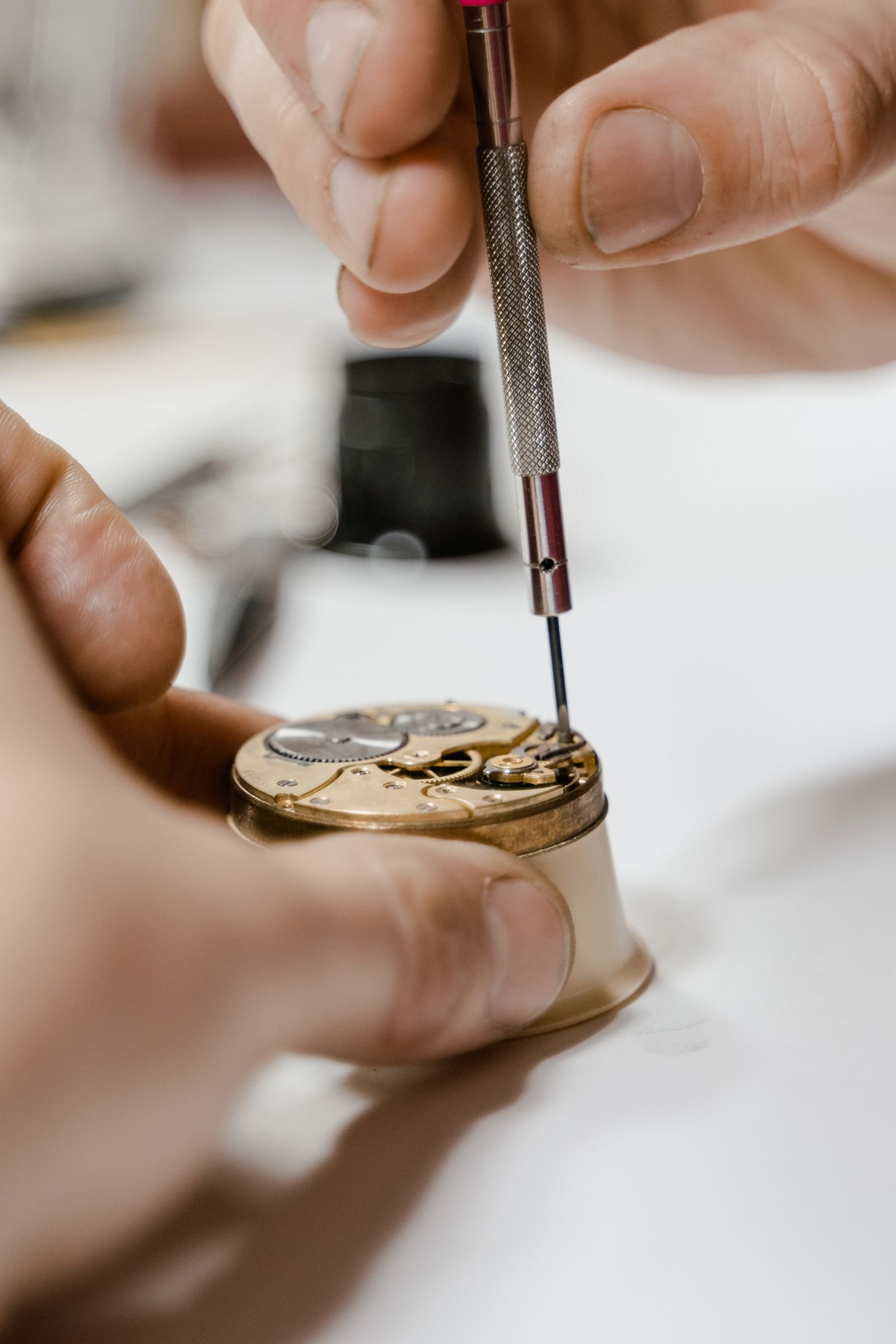
That is why the most useful way to think about Tudor MT5612 winder settings is as a method rather than just a number: begin with the established baseline, observe the watch honestly, and stop adjusting once the watch stays ready without drama.
Common Mistakes and When You May Not Need a Winder
The first mistake is assuming that more TPD is always better. It is not. Once the watch receives enough motion to maintain reserve, extra turns are usually just extra turns. Modern automatics are built to handle regular winding, but there is no award for using the highest setting your machine offers.
The second mistake is blaming the setting before controlling the test. If the watch sat motionless in a drawer for days and then went straight onto the winder without a manual wind, a weak result does not prove your Tudor MT5612 winder settings are wrong. Start from a known baseline and then judge the program.
A third mistake is copying another owner’s setup without checking the exact watch. The MT5612 has appeared in Pelagos and other Tudor references, but cases, daily wear patterns, and owner expectations differ. Someone who wants a watch always near full reserve may settle on a slightly different program than someone who just wants it not to stop during rotation.
It is also worth asking whether you need a winder at all. A winder is a convenience tool, not mandatory care equipment. It makes the most sense if you rotate several automatic watches, dislike resetting time and date, or want a frequently worn watch ready at short notice. If you wear the same MT5612-powered Tudor most days, your wrist may already be doing the job.
There is a related myth that a watch is always “healthier” running continuously than stopping between wears. That is too simplistic. For short rotation cycles, a correctly programmed winder can be very convenient. For long-term storage, a stable, dry environment matters more than keeping the watch in motion for motion’s sake. A stopped watch stored properly is not automatically being mistreated.
Finally, do not confuse brand prestige with technical usefulness. A beautifully finished cabinet does not help if it forces unsuitable presets. A simple, well-programmed machine will serve Tudor MT5612 winder settings better than a luxury display unit that gives you little control over direction or daily turns.
For most owners, the right answer remains straightforward: start at 650 bidirectional, adjust only if reserve proves weak, and remember that the best winder setting is the one that matches your actual routine rather than your wish to optimize everything on paper.
FAQ
What are the recommended Tudor MT5612 winder settings?
A sensible starting point is 650 TPD in bidirectional mode. That is the most common independent recommendation for MT5612-powered Tudor watches.
Does the Tudor MT5612 need clockwise or counterclockwise winding?
Most published references pair the MT5612 with bidirectional winder programs, so alternating rotation is the safest default unless your own testing suggests otherwise.
Can I use 700 or 750 TPD for a Tudor MT5612?
Yes. If 650 TPD does not maintain reserve reliably, increase the setting in small steps. Moving to 700 and then 750 is a better test than jumping immediately to a very high number.
Which Tudor watches use the MT5612 movement?
Watch references commonly associate the MT5612 with Pelagos models and several earlier Black Bay variants. Always confirm your exact reference before copying any winder setting.
Do I really need a watch winder for an MT5612-powered Tudor?
Not necessarily. A winder is most useful when you rotate watches and want them ready to wear. If you wear the watch regularly, a winder may add convenience but is not essential.
Conclusion
The shortest useful answer for Tudor MT5612 winder settings is still the best one: begin with 650 TPD in bidirectional mode. That starting point lines up with how the movement is typically described and with the independent settings most often published for MT5612-powered Tudor watches.
If your watch stays ready and holds reserve well, stop there. If it does not, make small changes and confirm that you are solving a real winding issue rather than masking a service problem or a poor-quality winder. A good watch winder should remove friction from your routine, not create a new puzzle every time you take the watch off your wrist.