
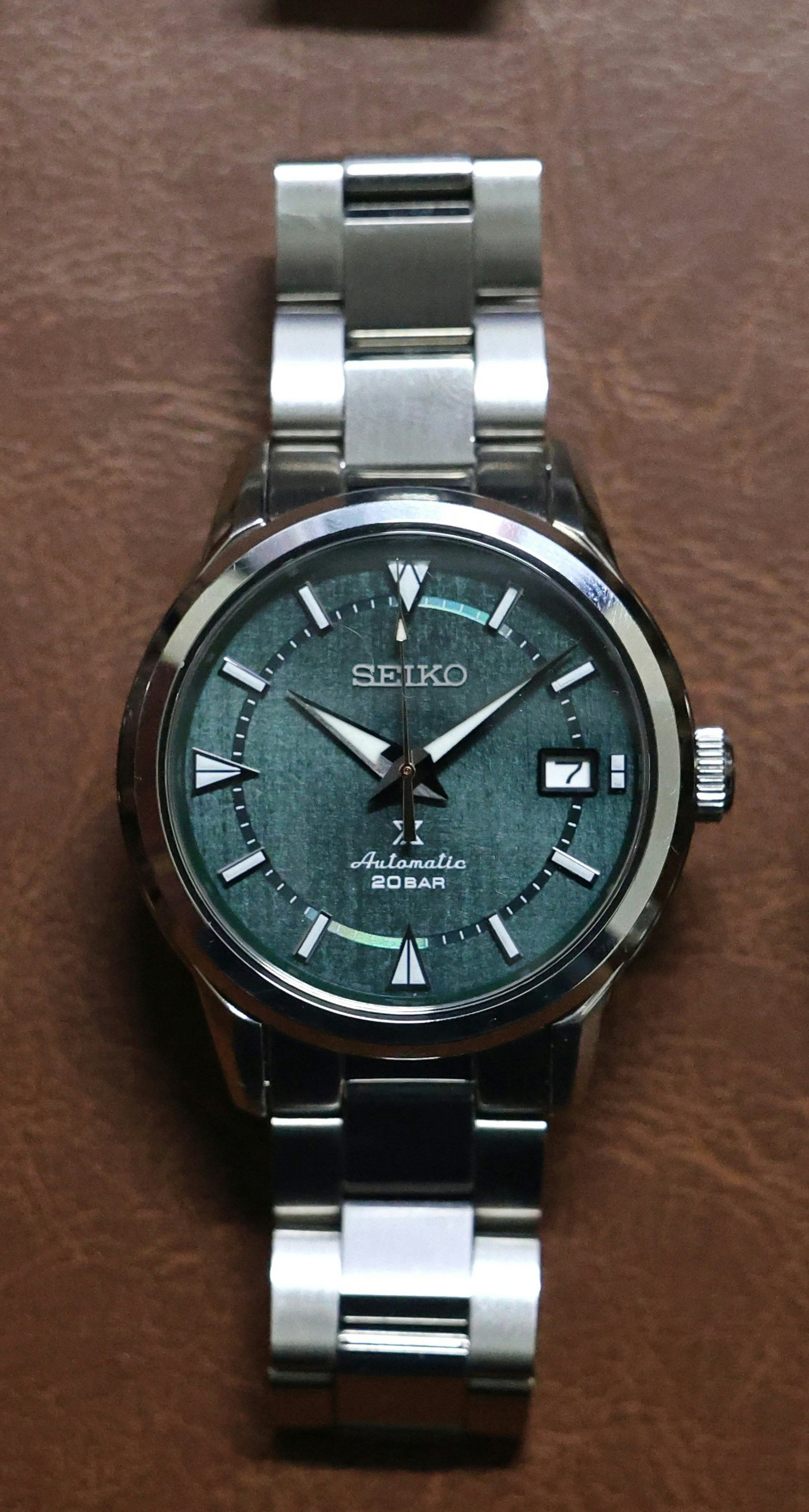
If you are looking for dependable Seiko 6R35 winder settings, the most sensible place to begin is 600 turns per day (TPD) in bidirectional mode. That is not an official Seiko programming chart, because Seiko does not publish a branded winder table for the 6R35. It is a practical midpoint drawn from the way the movement is designed and from the range most often suggested by independent watch-winder references.
That distinction matters. Owners often expect one fixed number, but watch winders are really about finding the lowest effective setting that keeps a watch ready to wear. For the 6R35, specialist sources tend to cluster between roughly 500 and 650 TPD, nearly always with alternating direction. Instead of treating that spread as a problem, it makes more sense to treat it as a tuning window.
The Seiko 6R35 is a modern self-winding movement used in many Prospex and Alpinist references. It is known for a long 70-hour power reserve, hand-winding capability, hacking seconds, and the brand’s bi-directional automatic winding system. In practical terms, that means the movement usually responds well to a measured winder program rather than an aggressive one.
This guide explains Seiko 6R35 winder settings in plain English. It covers the best starting TPD, why bidirectional rotation makes sense, how to fine-tune the setting if your own watch still loses reserve, and when it may be smarter to skip the winder altogether.
The Quick Answer: Start at 600 TPD in Bidirectional Mode
For most owners, a good starting point for Seiko 6R35 winder settings is 600 TPD with bidirectional rotation. That number sits comfortably between the lower and higher third-party recommendations published for Seiko automatics, and it fits the broader idea that a 6R35-powered watch should not need an especially aggressive maintenance program just to remain running.
Why not jump straight to 650 or 800? Because the goal of a watch winder is not to maximize movement. The goal is to maintain reserve with as little unnecessary motion as possible. Watch-winder tables for Seiko commonly advise starting low and increasing only if the watch proves it needs more. A 600 TPD baseline respects that logic while still giving the movement enough activity to stay ready in most real-world rotation routines.
If your winder only offers presets, choose the option closest to 600 TPD and make sure it alternates direction over the course of the day. If the nearest preset is 650 TPD, that is usually perfectly reasonable for the 6R35 as well. Many collectors researching Seiko 6R35 winder settings will never need to move higher than that.
It also helps to begin with a watch that already has some energy in the mainspring. If the watch has fully stopped, give it a manual wind before placing it on the winder. A winder is better at maintaining reserve than reviving a completely empty watch from zero.
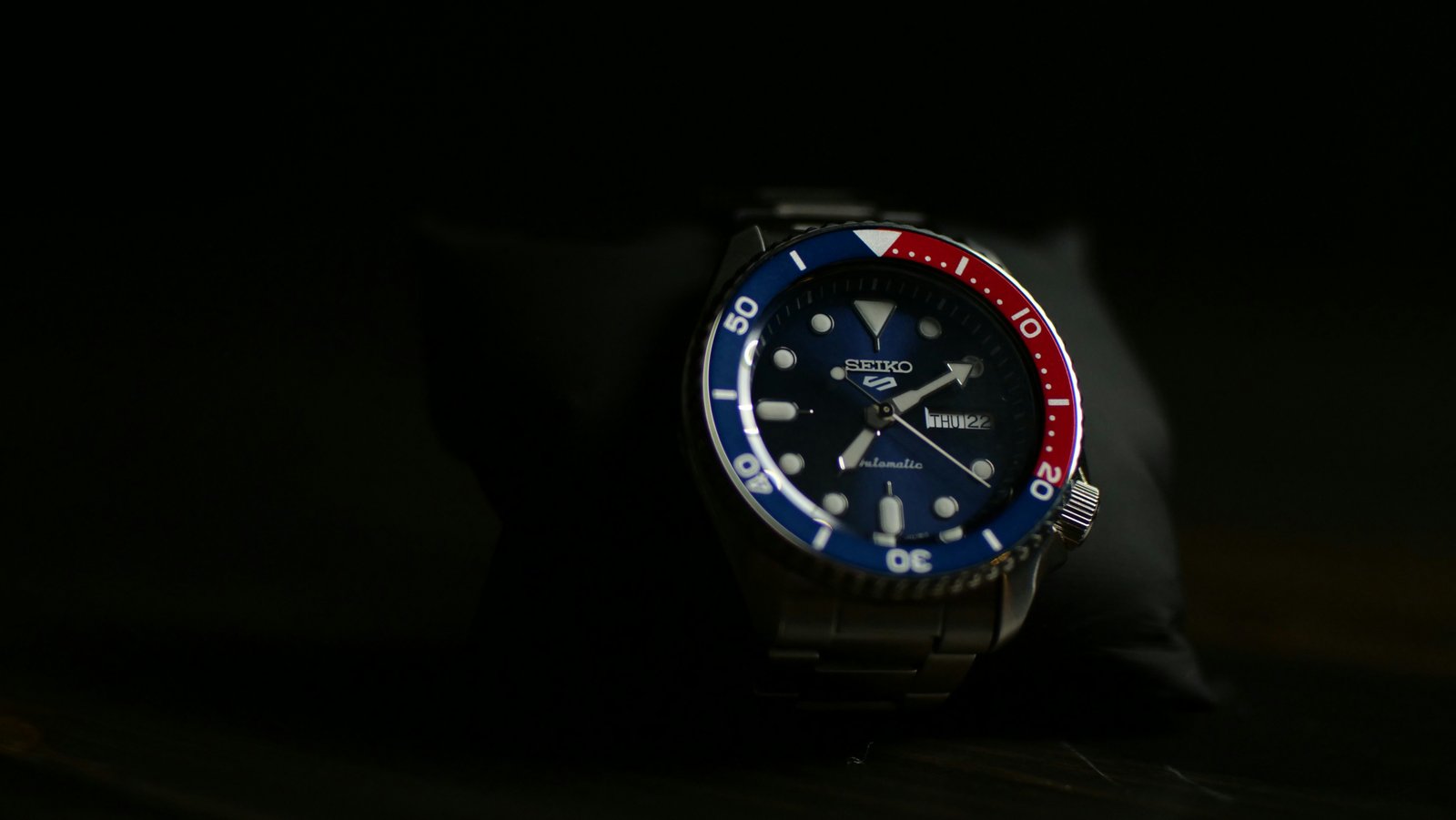
That is the most useful mindset to keep in mind when setting up Seiko 6R35 winder settings: start from a moderate number, observe the result, and only change one variable at a time.
Why Bidirectional Rotation Usually Makes Sense for the 6R35
A good winder program should reflect how the movement actually winds. Technical references for the 6R35 consistently describe it as a self-winding Seiko caliber using the brand’s bi-directional automatic winding system. Seiko’s own instruction material also confirms that the movement is automatic, hand-windable, and built around a modern daily-use architecture with a long reserve. That makes bidirectional mode the logical default for Seiko 6R35 winder settings.
This does not mean the winder is somehow winding the watch equally in both directions all the time. A watch winder moves the watch, the rotor reacts to that motion, and the movement converts that rotor travel into stored energy. The important takeaway is simpler: if the movement family is designed to wind efficiently through ordinary multi-direction wrist motion, a bidirectional winder program is usually more sensible than trying to force a one-direction-only setup borrowed from a different caliber.
The 6R35 also has a profile that supports moderate settings. It runs at 21,600 vibrations per hour, uses 24 jewels, and offers about 70 hours of reserve when fully wound. That longer reserve matters because it reduces the need to chase high daily turn counts just to keep the watch alive between wears. Compared with shorter-reserve movements, a 6R35-powered watch can often tolerate a more measured maintenance rhythm.
Collectors sometimes get poor results because they copy settings from the NH35, a Swiss ETA-family movement, or a generic online table that never names the actual caliber. That is where a lot of bad advice begins. Seiko 6R35 winder settings should be chosen for the 6R35 itself, not inherited from another movement just because both happen to be automatic.
There is also a practical reason to prefer alternating direction: it reduces guesswork. If your winder already supports proper rest periods and changes direction automatically, you are less likely to spend days wondering whether a one-direction preset is simply delivering fewer useful winding events than expected.

For most owners, that is enough to settle the directional question. If your winder can run Seiko 6R35 winder settings in bidirectional mode, use that as your baseline and move on to testing TPD rather than second-guessing direction.
How to Fine-Tune Seiko 6R35 Winder Settings
No published number should be treated as sacred. The right way to use Seiko 6R35 winder settings is to begin at 600 TPD bidirectional, monitor the watch for a few days, and only then decide whether a change is necessary.
A practical test routine looks like this:
- Give the watch a manual wind if it has fully stopped.
- Set the winder to 600 TPD in bidirectional mode.
- Leave the watch on the winder for two to three full days.
- Remove it, wear it normally, and observe whether reserve and timekeeping feel stable.
If the watch is still stopping sooner than expected, increase the setting in small steps. Moving from 600 to 650 TPD is a much better test than jumping immediately to a very high number. If 650 still seems marginal on your specific machine, you can try 700, but many owners researching Seiko 6R35 winder settings will find that they never need to go that far.
It also helps to separate power reserve complaints from timing complaints. If the watch stays running but gains or loses more time than usual, the issue may not be your winder at all. Regulation drift, magnetism, shock, lubrication age, or an overdue service can all create “my watch seems off” complaints even when the winder is maintaining reserve correctly. A winder keeps a mainspring topped up. It does not repair movement health.
Your own routine matters too. If your 6R35 watch spends most of its time on the wrist and only goes onto the winder for short gaps, 600 may be more than enough. If you rotate through several watches and leave a Prospex or Alpinist sitting for long stretches, a slightly higher setting may work better. The best Seiko 6R35 winder settings are partly movement-specific and partly routine-specific.
Winder quality also changes results more than many buyers expect. Better winders distribute their turns through intervals and rest periods. Cheaper ones can feel busy without being especially accurate. Sometimes owners conclude that the movement “needs” more TPD when the real problem is that the machine is inconsistent.

That is why the best approach to Seiko 6R35 winder settings is methodical rather than obsessive: start with the established midpoint, raise the setting only if reserve actually proves weak, and stop adjusting as soon as the watch stays ready without drama.
Common Mistakes and When You May Not Need a Winder
The first mistake is assuming that more TPD is always better. It is not. Once the watch receives enough motion to maintain reserve, additional turns are usually just additional turns. Modern Seiko automatics are built for regular wear, but there is still no benefit in treating the highest number on your winder as the “premium” choice.
The second mistake is blaming the setting before controlling the test. If the watch was left dead in a drawer for days and then placed straight onto the winder without a manual wind, a weak result does not automatically prove that your Seiko 6R35 winder settings are wrong. Start from a known baseline before judging the machine.
A third mistake is ignoring the difference between convenience and necessity. A watch winder is not mandatory care equipment. It is a convenience tool for people who rotate watches and want them ready at short notice. If you wear the same 6R35-powered watch most days, your wrist may already be doing the job perfectly well.
There is also a common myth that a mechanical watch is always “healthier” if it runs continuously. That idea is too simplistic. For short rotation cycles, a correctly programmed winder can be practical. For longer storage, a stable, dry environment matters more than keeping the watch moving for the sake of motion. A stopped 6R35 stored properly is not automatically being neglected.
Finally, do not assume every Seiko with a similar look uses the same movement. Prospex and Alpinist references often look related, but collectors should still confirm the actual caliber before copying any published recommendation. Good Seiko 6R35 winder settings start with identifying the right movement, not with trusting a product page headline.
For most owners, the answer remains pleasantly simple: begin at 600 TPD bidirectional, increase to 650 only if needed, and remember that a winder should reduce friction in your routine rather than create a new puzzle every time you take the watch off.
FAQ
What are the recommended Seiko 6R35 winder settings?
A sensible starting point is 600 TPD in bidirectional mode. If your specific watch or winder still seems to leave reserve low, move to 650 TPD and retest.
Does the Seiko 6R35 need clockwise or counterclockwise winding?
Most technical and winder-reference material treats the 6R35 as a movement best paired with bidirectional winding, so alternating direction is the safest default.
Can I use 650 TPD for a Seiko 6R35?
Yes. Many independent winder tables place Seiko automatics around that level. It is a reasonable next step if 600 TPD does not quite maintain reserve on your machine.
Which watches use the Seiko 6R35 movement?
The 6R35 appears in many modern Seiko Prospex and Alpinist references. Always confirm your exact watch reference before copying any movement-specific setting.
Do I really need a watch winder for a 6R35-powered Seiko?
Not necessarily. A winder is most useful if you rotate several automatics and want them ready to wear. If you wear the watch regularly, a winder may be convenient but is not essential.
Conclusion
The shortest useful answer for Seiko 6R35 winder settings is this: start with 600 TPD in bidirectional mode, then adjust only if your own watch and your own winder prove that a small increase is necessary.
That recommendation respects both sides of the evidence. The movement itself is modern, bi-directional, and built around a long power reserve, while the independent watch-winder references most often place Seiko automatics in a moderate range rather than at an extreme. If your watch stays ready and holds reserve well, stop there. If it does not, make small changes and confirm that you are solving a real winding issue rather than masking a service problem or a low-quality winder.