
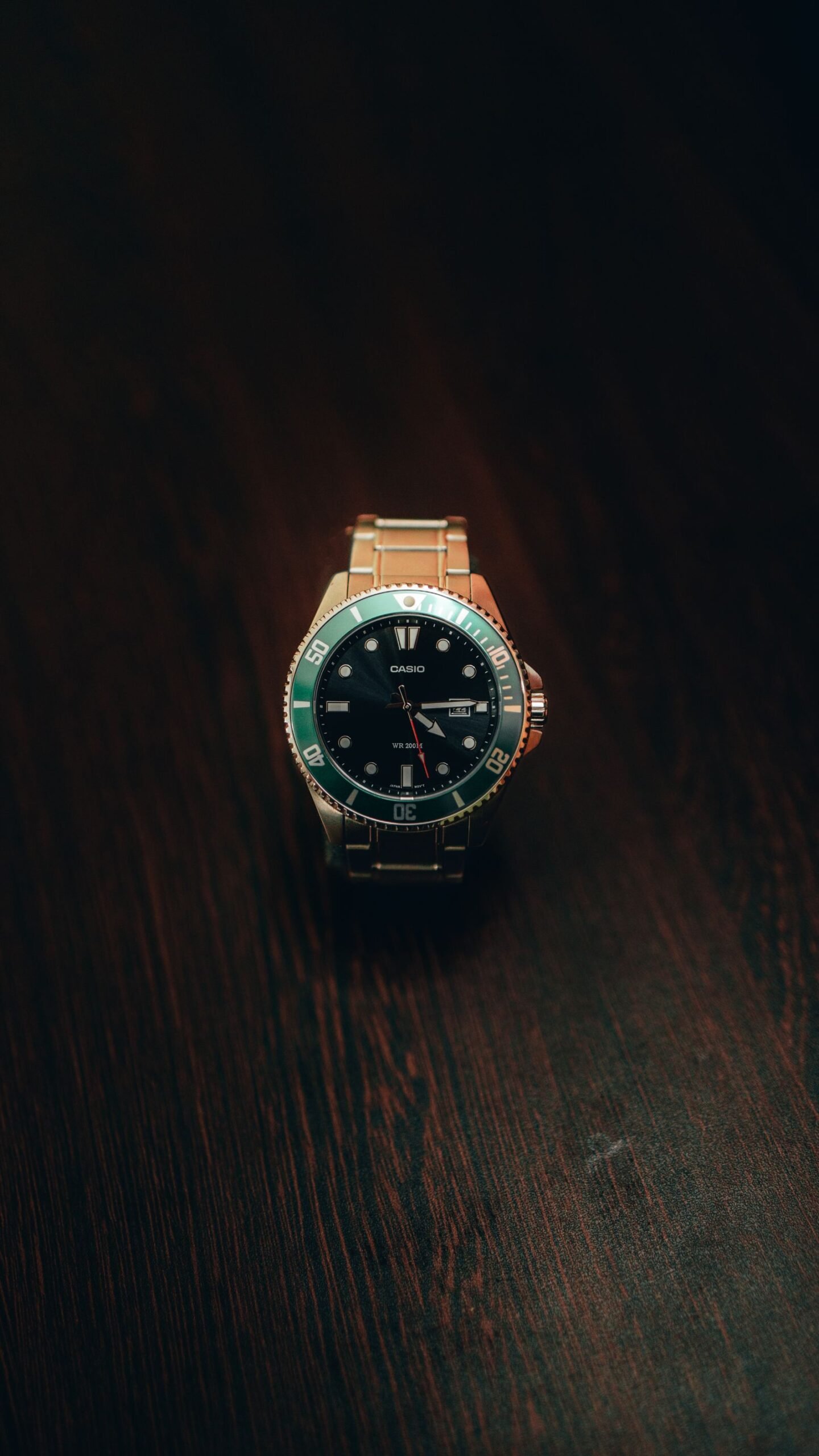
Mechanical Watch Loses Time Overnight: Causes, Tests, and When to Get It Serviced
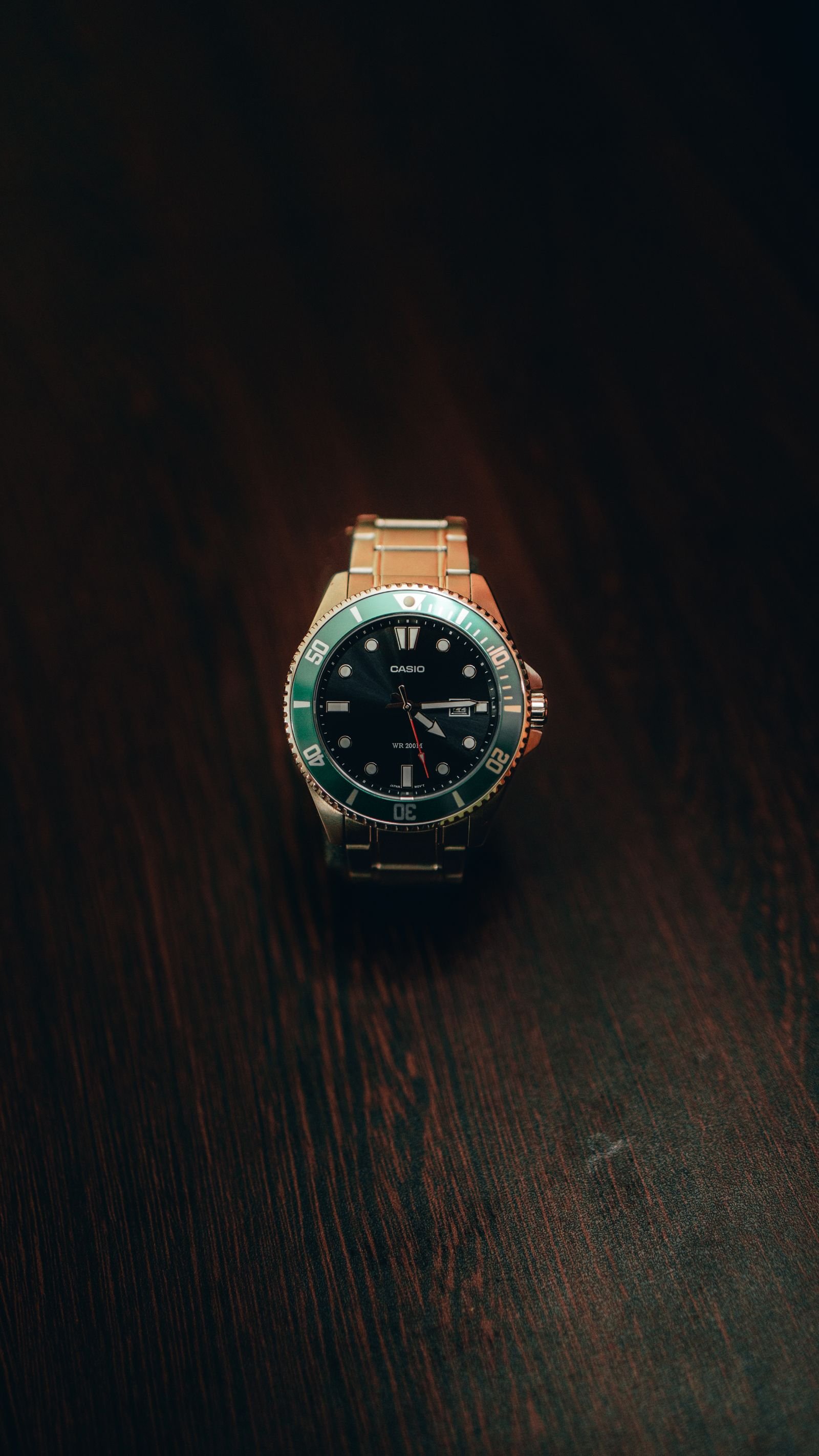
You set your watch accurately before bed, leave it on the nightstand, and find it behind in the morning. Does that mean something is wrong? Not necessarily. A mechanical watch can run at a slightly different rate while resting than it does on your wrist. Gravity, resting position, remaining mainspring energy, and the condition of the movement all influence the result.
The size and consistency of the loss matter more than a single overnight reading. Losing a few seconds in one position may be normal for a healthy mechanical watch. Losing several minutes, stopping before morning, or suddenly performing much worse than usual deserves investigation. This guide explains why a mechanical watch loses time overnight, how to test it without special tools, and when professional diagnosis is the sensible next step.
Why a Mechanical Watch Can Run Differently Overnight
A mechanical movement measures time through an oscillating balance wheel and hairspring. The escapement releases the gear train in controlled steps, while the mainspring supplies energy. This system is impressively precise, but it is not indifferent to gravity or changing power.
Resting position changes the rate
During the day, your wrist continually moves through many orientations. The errors from one position can partly offset those from another. At night, the watch may remain dial-up, dial-down, crown-up, or crown-down for seven or eight hours. A small rate difference in that one position then accumulates without being averaged against other positions.
Horizontal positions generally place the balance staff differently from vertical positions, and tiny differences in friction, balance poise, hairspring geometry, or pivot condition can alter the rate. This is why watchmakers test movements in multiple positions rather than relying on one dial-up reading.
Mainspring torque falls as the watch runs down
An automatic watch may come off your wrist with less energy than you assume. Desk work, short wear periods, a loose fit, or an inefficient automatic winding system can leave the mainspring only partly charged. As the stored energy falls overnight, balance amplitude usually declines. A well-designed, healthy movement should maintain useful accuracy through its specified power reserve, but it may not keep exactly the same rate at every state of wind.
If the watch is already near the end of its reserve at bedtime, the problem may look like overnight time loss when the real issue is inadequate winding. In a more serious case, the watch may pause and restart after it is picked up, leaving the display several minutes or hours behind.
Temperature can contribute, but usually is not the main culprit
Modern balance springs and temperature-compensating designs reduce thermal effects considerably. Even so, a large difference between wrist temperature and a cold nightstand can slightly change lubricants, dimensions, and oscillator behavior. Normal bedroom temperature alone should not make a healthy modern watch lose minutes overnight. Treat a large temperature-linked change as a clue to investigate, not as an excuse for severe inaccuracy.
Normal Positional Variation or a Real Fault?

Start with the watchmaker’s most useful distinction: rate loss versus interrupted running. A watch that runs continuously but loses six seconds has a rate issue. A watch that stops for ten minutes and starts again when moved has a power-delivery or mechanical fault. Both appear slow the next morning, but they require different diagnoses.
- A few seconds, consistently: often ordinary positional variation, especially if the full-day average remains within the manufacturer’s specification.
- A larger loss only near the end of the reserve: may point to low amplitude, insufficient winding, excessive friction, or poor power delivery.
- Several minutes or an intermittent seconds hand: suggests stopping, slipping hands, train obstruction, escapement trouble, or another fault—not simple regulation.
- A sudden change from the watch’s established pattern: raises concern about shock, magnetism, contamination, dried lubricant, or a damaged component.
Compare the result with the specification for your exact reference and movement. Chronometer and manufacturer tolerances are commonly stated as daily averages under defined test conditions; they are not a promise that every resting position will show an identical rate. Vintage watches and unadjusted entry-level movements may have wider positional spreads than modern certified watches.
A Three-Night Test You Can Do at Home
One casual reading can be distorted by an incomplete wind, an inaccurate reference clock, or a simple setting error. A controlled test gives a much clearer answer.
- Confirm the reference. Use one reliable, synchronized time source for every reading. Record seconds, not just minutes.
- Wind the watch properly. Follow the manufacturer’s instructions for the specific movement. If it is an automatic watch that permits hand-winding, give it the recommended initial wind rather than assuming a normal workday fully charged it. Do not force a crown that feels rough or unusually tight.
- Set and record the starting error. Synchronize the watch, note the exact time, and avoid changing the date near the movement’s calendar-change period.
- Test dial-up on night one. Leave the watch undisturbed for approximately eight hours. Record the gain or loss and whether it remained running.
- Test crown-up on night two. Repeat the same winding and timing procedure, changing only the resting position.
- Test another stable position on night three. Crown-down or dial-down can be informative if the crystal and case can rest safely without scratching.
- Compare the pattern. Look at the difference between positions, the overnight rate, and the complete 24-hour result while worn.
Keep the watch away from phones with magnetic cases, tablet covers, speakers, handbag clasps, wireless chargers, and other strong magnetic sources during the test. Place it on a clean, stable surface where it cannot fall. Do not shake it to “help” the rotor; controlled manual winding is safer when the manufacturer allows it.
If one resting position consistently gains a few seconds while another loses a few, you may be able to use the compensating position overnight. This is harmless fine-tuning, not a repair. Do not chase perfection from a single night’s data: compare at least three repeatable results.
Common Causes of Significant Overnight Time Loss
Insufficient winding or weak automatic winding
This is the simplest cause to rule out. Fully wind the watch according to its manual, then repeat the overnight test. If performance improves dramatically, your daily activity may not be replenishing the reserve. If a fully wound automatic watch still runs down far earlier than its stated reserve, the mainspring, barrel, reversers, rotor system, or movement friction may need attention.
Low amplitude from old lubricant or wear
As lubricants age, friction increases. Worn or dirty pivots can also reduce the energy reaching the balance. Low amplitude often becomes more obvious in vertical positions or at lower states of wind, which is why a watch can appear acceptable during an active day but lose time on its side overnight. A watchmaker can measure amplitude, rate, and beat error on a timing machine in several positions.
Shock damage or a disturbed hairspring
A recent knock can alter regulation, damage a pivot, or disturb the hairspring. The watch may continue running but show a much wider difference between positions. If the change began immediately after a drop, resist repeated home adjustments and have the movement inspected.
Magnetism
Magnetism is famous for making mechanical watches run fast because hairspring coils can stick together, effectively shortening the spring. Real symptoms vary with the movement and the way components are affected, however, so magnetism should be tested rather than guessed. It does not explain every slow watch. A watchmaker can screen and demagnetize a movement quickly, then check whether another fault remains.
Loose hands or intermittent stopping
If the movement runs but the hands lag, a loose cannon pinion or hand contact may be responsible. Listen and observe: does the seconds hand stop at a repeatable location, touch another hand or the crystal, or restart when the case is moved? These clues indicate a mechanical interruption rather than normal positional error.
What a Watchmaker Will Check
A useful diagnosis goes beyond one timing-machine number. The watchmaker may fully wind the movement, measure rate, amplitude, and beat error in several positions, then repeat readings after the movement has run down. A power-reserve test can reveal whether the watch stops prematurely. Inspection may also cover the automatic winding system, hand clearance, magnetism, hairspring condition, escapement, pivots, and evidence of impact or moisture.
Regulation can correct a stable rate offset, but it cannot cure low amplitude, dried lubricant, worn bearings, or intermittent stopping. Regulating an unhealthy movement may produce an attractive dial-up reading while leaving the underlying fault untouched. If service is overdue or timing changes sharply with state of wind, ask for a condition assessment rather than regulation alone.
When to Arrange Service
Book an inspection when the watch loses minutes overnight, stops despite a confirmed full wind, shows a sudden change after impact, or has a much shorter reserve than specified. Also seek help if the crown feels abnormal, the rotor scrapes, condensation appears, or the hands visibly interfere. Stop wearing a watch with moisture inside because corrosion can spread quickly.
For a stable loss of only a few seconds, first complete the three-night positional test and compare the 24-hour average with the maker’s tolerance. Bring the record to the watchmaker; the positions, starting state of wind, and exact losses are far more useful than saying the watch is “sometimes slow.”
Frequently Asked Questions
Is it normal for a mechanical watch to lose time overnight?
A small, repeatable difference can be normal because the watch stays in one position for hours. Judge it against the movement’s specification and its full-day average. Minutes of loss or overnight stopping are not ordinary positional variation.
What position should I leave my watch in overnight?
There is no universal best position. Test dial-up and crown-up first, then use the position that safely offsets your watch’s daytime rate. Protect the crystal and case from abrasive surfaces.
Can low power reserve make a watch run slow?
Yes. As mainspring torque and balance amplitude fall, some movements show a different rate. A healthy movement should remain reasonably stable, but severe loss or early stopping can indicate inadequate winding or a service issue.
Will a watch winder fix overnight time loss?
A winder may keep a compatible automatic watch above a low state of wind, but it cannot repair worn parts, poor lubrication, hand interference, or escapement faults. Diagnose the cause before using a winder as a workaround.
Should I demagnetize a watch that is losing time?
Only after testing suggests magnetism. Magnetized hairsprings often cause a fast rate, and blind demagnetizing may distract from the actual problem. A professional test is quick and avoids guesswork.
Conclusion
When a mechanical watch loses time overnight, the resting position and state of wind are the first variables to control. Fully wind it correctly, measure it against one reliable reference, and test several positions over three nights. A consistent difference of a few seconds may simply describe the movement’s positional behavior. A sudden change, minutes of loss, shortened reserve, or stopping points to a fault that a timing machine and physical inspection can identify. Good records turn an uncertain symptom into a much faster, more accurate diagnosis.