
Automatic Watch Rotor Noise: What Is Normal and What Needs Repair?
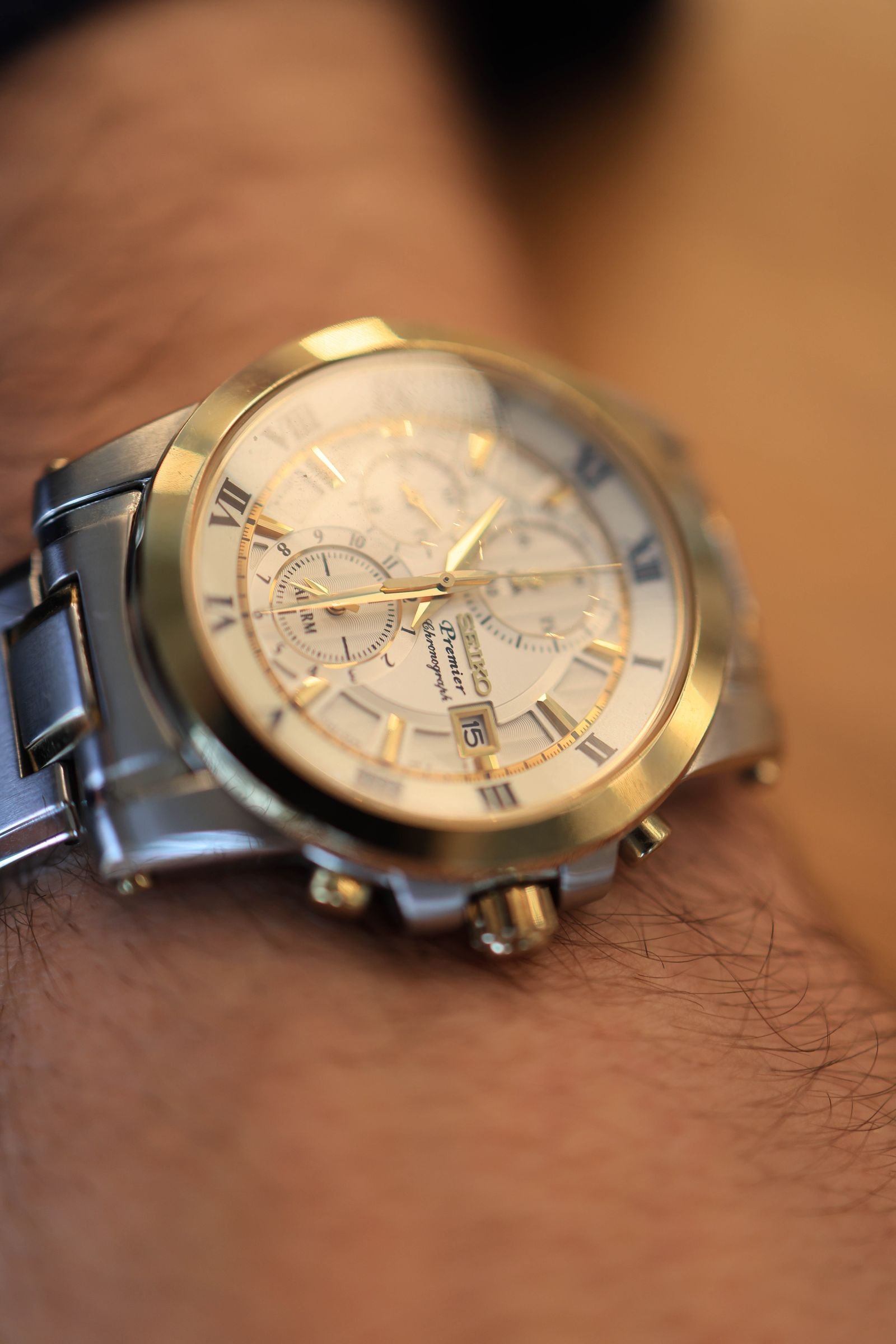
Hearing an automatic watch rotor can be unsettling, especially if a previously quiet watch suddenly begins to whir, rattle, or scrape. Yet sound alone does not prove that the movement is damaged. A self-winding watch contains a weighted rotor that moves whenever the case changes position. That moving mass, its bearing, and the winding gears can all produce audible mechanical noise. Case construction, movement design, wrist motion, and even the room around you affect how loud it seems.
The useful question is not simply, “Should an automatic watch make noise?” It is whether the sound is smooth and consistent with the movement’s design, or new, irregular, and accompanied by other symptoms. This guide explains how to evaluate automatic watch rotor noise without opening the case or risking a repair that should be left to a watchmaker.
Why an Automatic Watch Has a Moving Rotor
An automatic movement uses an oscillating weight—usually a semicircular rotor—to convert wrist motion into stored energy. As the rotor turns, a winding train transmits that motion to the mainspring barrel. Some systems wind in both directions. Others wind in one direction and allow the rotor to freewheel in the opposite direction. Both are legitimate designs, but they can sound and feel different.
In a bidirectional system, the rotor often changes direction quickly as the wrist moves. You may hear a soft swish or a short series of gear sounds. In a unidirectional system, the non-winding direction can let the rotor accelerate more freely. That may create a noticeable “zip,” whir, or brief vibration on the wrist. A fast-spinning rotor is therefore not automatically a fault.
Modern rotors commonly rotate on ball bearings, although other bearing arrangements exist. The case also acts as a sound chamber. A thin case back, a broad exhibition crystal, or a movement ring can transmit more sound than a thick solid back. Two watches using related movements may consequently have very different acoustic personalities.
Normal Automatic Watch Rotor Sounds
A healthy rotor normally produces a smooth sound that corresponds to movement of the watch. It starts when the case is tilted or rotated, then fades as the rotor settles. The sound may be easier to hear in a quiet room or when the watch is held near the ear. Common normal sounds include:
- A soft swish: the rotor turning through part of a revolution.
- A light mechanical buzz: the winding wheels engaging during motion.
- A brief high-speed whir: often associated with a rotor freewheeling in the non-winding direction.
- A faint click: possible as winding components engage or reverse direction.
Normal automatic watch rotor noise should be repeatable. If the same gentle wrist motion produces the same smooth response, and the watch winds, runs, and keeps its usual power reserve, there is usually little reason for alarm. Some movements are simply more audible than others. Comparing a watch with an unrelated model is not particularly useful; compare it with its own recent behavior or with another example using the same caliber.
Rotor Noises That Deserve Attention
A harsh metallic scraping sound is different from a smooth whir. Scraping may indicate that the rotor is touching the case back, a bridge, or another component. Possible causes include a loose rotor screw, excessive play in a worn bearing, or damage following an impact. Continued contact can leave circular marks and spread metal particles through the movement, so the sensible response is to stop deliberately shaking the watch and arrange an inspection.
A new clunk or irregular rattle also deserves attention. A rotor is a substantial moving mass, but it should remain securely supported. If it visibly wobbles under an exhibition back, changes plane as it turns, or knocks when the watch is gently rolled, its mounting may need professional examination. Do not confuse the normal sound of bracelet end links with an internal rattle: hold the bracelet or strap still during a careful test.
Noise becomes more significant when paired with a functional change. Warning combinations include:
- The watch stops despite normal daily wear.
- Power reserve has fallen sharply compared with a previous measured result.
- The rotor appears stuck, jerky, or visibly off-center.
- The watch began making noise immediately after a drop or hard impact.
- Timekeeping changed substantially at the same time.
- A scraping sound continues through most of the rotor’s travel.
These symptoms do not identify one specific failed part. Poor winding could come from the automatic module, but short running time can also involve the mainspring, barrel, lubrication, or excessive friction elsewhere. Diagnosis requires inspection rather than guesswork.
A Safe At-Home Rotor Noise Test
Begin by removing environmental variables. Work over a soft surface in a quiet room. Hold the bracelet or loose strap hardware so it cannot rattle. Do not place the watch directly against your ear and shake it vigorously; that creates misleading noise and adds unnecessary shock.
- Establish a baseline. Manually wind the watch according to the manufacturer’s instructions. If the brand specifies a starting procedure, follow it rather than relying on shaking.
- Rotate slowly. With the crown secured, tilt the case through a gentle circle. Listen for a smooth swish, whir, click, scrape, or knock.
- Observe through the back. If the watch has an exhibition back, look for smooth rotation without obvious wobble. Never remove the back yourself for this test.
- Check normal operation. Wear the watch for a normal day, then note whether it continues running overnight. A structured power-reserve test is more informative than repeatedly shaking it.
- Record the evidence. A short video with clear audio, the watch reference, when the sound began, and whether an impact occurred can help a service center triage the problem.
A smartphone decibel reading is rarely decisive. Microphone position, room reflections, and case contact change the measurement dramatically, while manufacturers generally do not publish consumer rotor-noise limits. Character and change are more useful than an isolated loudness number.

What Not to Do With a Noisy Rotor
Do not shake the watch harder to “free” the rotor. Do not spray lubricant near the crown or case back, and do not assume that tightening a visible screw is a safe DIY job. Opening the case can compromise water resistance, introduce dust, damage finishes, and affect warranty coverage. Even a simple-looking rotor screw may require the correct tool, torque, inspection for underlying bearing wear, and a new water-resistance test after reassembly.
Also avoid using a watch winder as a diagnostic stress test. A winder can show that the watch is not accumulating enough reserve, but extended operation may continue moving a damaged automatic assembly. If there is genuine scraping or knocking, leave the watch stationary until it can be checked.
When to Contact a Watchmaker
Prompt service is appropriate when the sound is metallic, the rotor wobbles, the case was recently struck, or winding performance has deteriorated. If the watch is under warranty, contact the brand or an authorized service center first. Describe the symptom without prescribing the repair: “new scraping when the rotor turns and reduced overnight reserve” is more useful than insisting that a particular bearing has failed.
For an older watch with a long service history gap, the technician may recommend a full movement service rather than only securing the rotor. That decision should follow inspection. Replacing or tightening one component without addressing dried lubrication, worn parts, or debris can leave the underlying problem unresolved.
If the noise has always been present, remains smooth, and the watch performs normally, monitoring may be enough. Keep a brief note or recording so you can recognize a meaningful change later.
Frequently Asked Questions
Is it normal to hear the rotor in an automatic watch?
Yes. The rotor and winding train are moving mechanical parts, so a soft swish, buzz, or brief whir can be normal. Movement architecture and case construction strongly affect volume.
Why does my automatic watch rotor spin so fast?
Some unidirectional winding systems allow the rotor to freewheel in one direction, producing a fast spin and noticeable vibration. If it is smooth and the watch performs normally, speed alone does not establish a defect.
What does a loose rotor sound like?
Owners often report irregular rattling, knocking, or metallic scraping rather than a smooth mechanical whir. Sound cannot confirm the diagnosis; visible wobble or contact marks require a watchmaker’s inspection.
Can a noisy rotor damage the watch?
Normal rotor sound is not damaging. A loose or worn assembly that lets the rotor contact other parts can cause wear or debris, which is why persistent scraping should be examined promptly.
Should I stop wearing a watch that suddenly rattles?
If the noise is new, harsh, follows an impact, or comes with poor winding or timekeeping, stop deliberately moving the watch and seek professional advice. A stable, smooth sound with normal performance is less urgent.
Conclusion
Automatic watch rotor noise ranges from harmless movement character to an early warning of mechanical contact. A smooth, repeatable swish or freewheel usually reflects normal operation. Scraping, knocking, visible wobble, sudden change, or reduced power reserve deserves attention. Test gently, document what changed, and let a qualified watchmaker open the case. The goal is not to make every automatic watch silent; it is to recognize when its familiar mechanical voice has become a symptom.