



























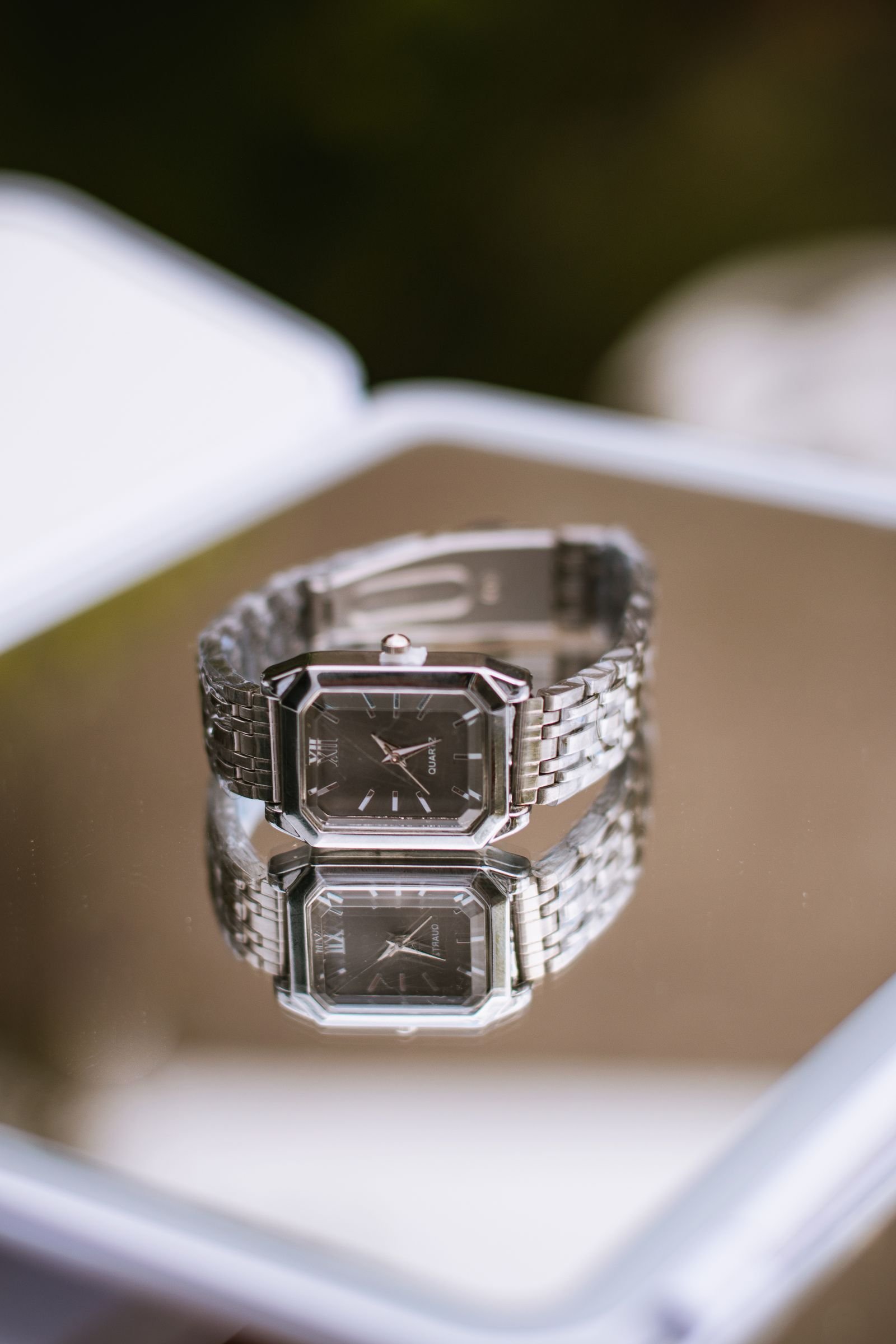
Rolex Caliber 2236 winder settings are straightforward in principle: begin at approximately 650 turns per day (TPD) in bidirectional mode. That widely published practical setting is usually enough to maintain the watch once it has received a proper initial wind.
There is one important qualification. Rolex describes Caliber 2236 as a self-winding movement with a Perpetual rotor and approximately 55 hours of power reserve, but the company does not publish a consumer watch-winder TPD prescription on its product pages. Therefore, 650 TPD bidirectional should be treated as a sensible starting point from established winder guidance—not as a factory guarantee for every watch, winder, wearing pattern, or state of service.
This guide explains how to identify Caliber 2236, program a winder, test whether the setting is adequate, and recognize when a stopping watch needs attention rather than more rotations.
Quick Answer: Recommended Rolex Caliber 2236 Winder Settings
- Starting TPD: 650 turns per day
- Direction: Bidirectional, alternating clockwise and counterclockwise
- Power reserve: Approximately 55 hours, according to Rolex
- Initial preparation: Hand-wind the stopped watch before placing it on the winder
- Testing period: Observe the watch for several days before changing the program
If the winder does not offer 650 exactly, select the nearest modest setting, commonly 600 or 700 TPD. Use an alternating program where available. Do not jump immediately to a very high setting because the watch stopped once; first eliminate an incomplete initial wind, poor mounting, an inaccurate TPD label, and a movement that is due for service.
What Is Rolex Caliber 2236?
Caliber 2236 is a compact Rolex-manufactured mechanical movement with automatic winding, central hours, minutes and seconds, instantaneous date with rapid correction, and stop-seconds for precise setting. Rolex introduced the movement in 2014 and uses it in current smaller Datejust-family watches, most notably the 28 mm Lady-Datejust and certain Datejust 31 references.
The movement is technically distinctive because it uses Rolex’s Syloxi silicon hairspring. Rolex states that its patented geometry contributes stability in different positions, while the silicon construction resists magnetic fields and temperature variation. The oscillator also uses Microstella regulating nuts, a traversing balance bridge and Paraflex shock absorbers. These features concern timekeeping and resilience; they do not change the winder’s basic task, which is simply to keep the mainspring from running down.
Rolex specifies approximately 55 hours of power reserve for Caliber 2236. In practice, a fully wound watch can therefore rest for a little more than two days before stopping, although actual reserve may vary with movement condition and how completely it was wound. A winder is optional convenience, not a requirement for the health of the movement.
Why 650 TPD and Bidirectional Rotation Are a Good Starting Point
Turns per day describes how many complete carrier rotations a winder delivers over 24 hours. It does not describe motor speed, and it does not necessarily mean continuous motion. A well-designed winder spreads rotations across short cycles with long rest periods.
Published winder tables commonly group Calibers 2235 and 2236 at 650 TPD with bidirectional rotation. This aligns with the practical convention used for many automatic Rolex movements. Because Caliber 2236 uses a Perpetual rotor to harvest wrist motion, alternating direction is a sensible default and avoids depending on a single direction when the winder supports both.
That does not mean every machine interprets “bidirectional 650” identically. On one winder, 650 may be the total of all clockwise and counterclockwise rotations. On another, an unclear manual may cause users to assume 650 in each direction, effectively doubling the program. Read the manufacturer’s definition and, if necessary, count rotations during a timed cycle.
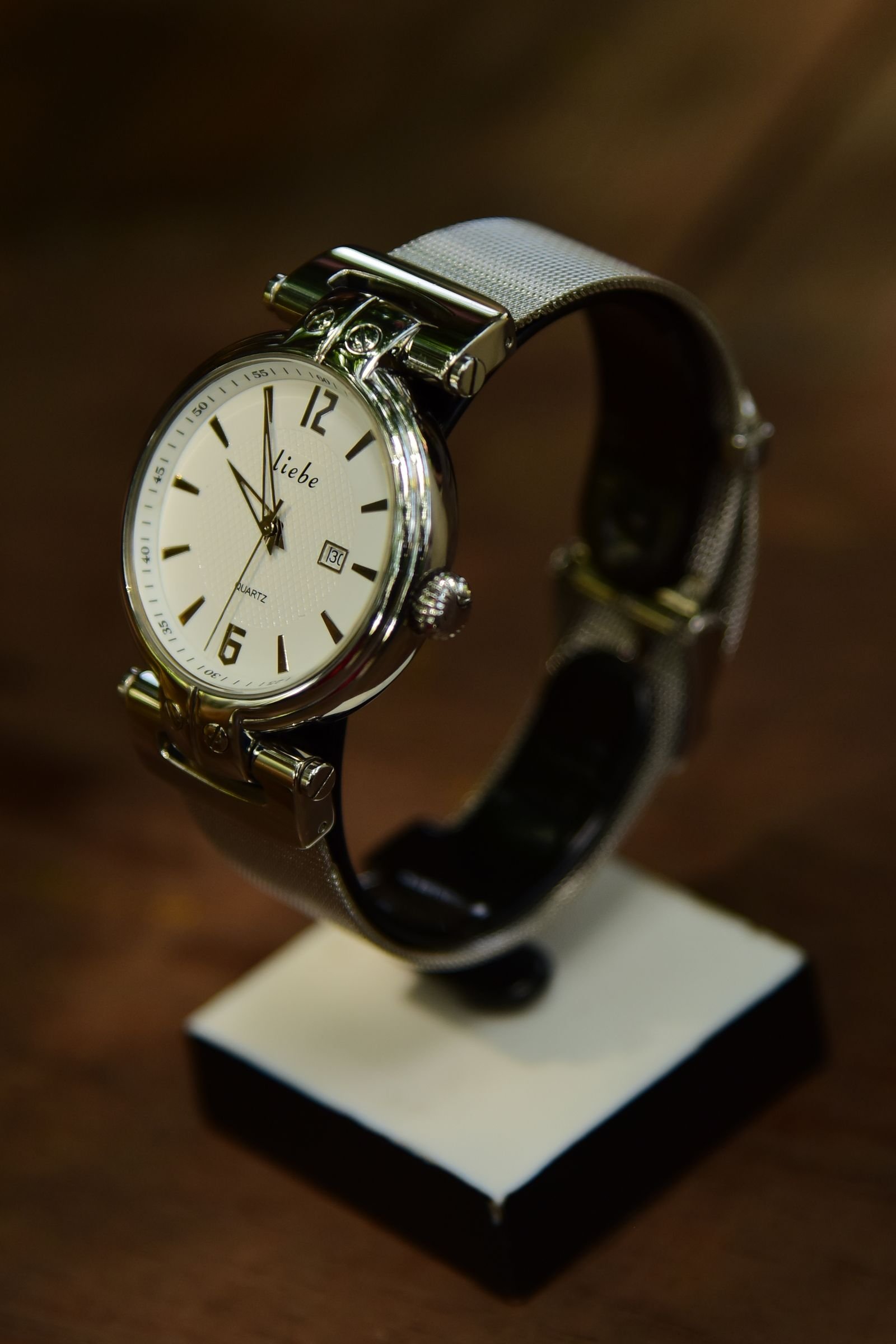
How to Set Up a Watch Winder for Caliber 2236
- Confirm the caliber. Check official specifications for the exact reference or ask a Rolex service professional. Similar-looking watches from different eras may contain different movements.
- Start with the watch off the winder. If it has stopped, unscrew the crown and wind it gently by hand. Follow the model’s official instructions; do not use the winder as a substitute for an initial charge.
- Set the correct time and date. Consult the watch manual before using rapid date correction. Calendar restrictions can differ by movement.
- Secure the watch on the cushion. The bracelet should be snug enough that the case does not flop, strike the holder, or slide. Do not force a small bracelet over an oversized pillow.
- Select 650 TPD and bidirectional mode. Choose the nearest available low setting if 650 is not offered.
- Let the program run normally. Most winders distribute turns through the day; the aim is maintenance rather than rapid charging.
- Test for several days. Verify that the watch remains running under consistent conditions before adjusting anything.
A winder cannot correct poor timekeeping. If the watch gains or loses time outside expectations, increasing TPD is not regulation. Persistent rate problems require professional diagnosis.
How to Fine-Tune the TPD Without Guessing
The most useful test begins with a watch that has been hand-wound and is running normally. Place it on the 650 TPD bidirectional program for three to five days. If it is still running and behaves normally each morning, the setting is doing its job. There is no benefit in increasing TPD merely to make the program look more active.
If the watch stops, repeat the test carefully. Confirm that the winder completed its cycles, the cushion did not slip, and the machine was not interrupted by a timer or power loss. Check whether its TPD figure is a daily total or a per-direction figure.
When those variables are controlled, move up one small step—perhaps from 650 to 700 or 750 TPD—and test again. Change only one variable at a time. Switching direction, TPD, mounting angle, and initial wind simultaneously makes the result impossible to interpret.
Should the watch require progressively higher settings, stop treating the winder as the likely cause. Reduced winding efficiency, dried lubricant, wear in the automatic system, or a shortened reserve can allow a watch to run on the wrist yet fail a controlled winder test. A watchmaker can measure power reserve, amplitude, and winding performance.
Can a Watch Winder Overwind Caliber 2236?
A modern automatic movement is designed to prevent the mainspring from being wound rigidly past its working range. As the barrel reaches a high state of wind, a slipping bridle allows the mainspring to release excess tension. In normal condition, this protects the movement from literal overwinding.
However, “cannot be overwound” should not mean “unlimited rotation is desirable.” Excessive TPD adds avoidable running time to the winding system and may hide a poorly chosen program. Use the lowest setting that reliably maintains the watch. A quality winder should pause between cycles, hold the watch securely, and operate without abrupt starts or vibration.
If the watch makes scraping sounds, the rotor feels unusually loose, the crown winds roughly, or the case moves violently on the cushion, remove it and investigate. More TPD is not a repair.
Does Caliber 2236 Need a Watch Winder?
No automatic watch needs a winder simply because it is automatic. With approximately 55 hours of reserve, a regularly worn Caliber 2236 may still be running after a day or two off the wrist. If it stops, hand-winding and resetting it are normal parts of ownership.
A winder is most useful when convenience matters: the watch rotates with other pieces, the owner prefers not to reset the date, or crown manipulation is physically difficult. The date complication is simple compared with an annual or perpetual calendar, so the time saved is modest.
Long-term storage is a different goal. A clean, dry, secure box away from magnets and extreme temperatures is entirely reasonable. A winder does not replace service, water-resistance testing, or correct storage. If you will not wear the watch for months, allowing it to stop is a valid choice.

Common Problems and What They Usually Mean
The Watch Stops on the Winder but Runs on the Wrist
The setting may be marginal, the holder may be too horizontal, or the advertised TPD may not match actual output. Begin with a complete hand wind, secure the watch, verify the program, and raise TPD only in small increments.
The Watch Stops Even at a High TPD
Test the watch away from the winder. Measure its reserve after a proper hand wind. A substantially short reserve or unreliable winding can indicate a movement issue. Also test the winder with another compatible automatic watch if available.
The Date or Time Is Wrong After Several Days
A winder maintains energy; it does not synchronize the time or calendar. Normal rate deviation accumulates, and the date still needs correction after short months. A sudden large error, irregular stopping, or a calendar that fails to advance deserves inspection.
The Winder Has Only 900 TPD
A 900 TPD program is higher than the conservative 650 TPD starting point, but the effect depends on how the machine schedules turns and rests. It may maintain the watch, yet an adjustable unit offers better control. Avoid machines that rotate nearly continuously or provide no clear documentation.
Frequently Asked Questions
What are the best Rolex Caliber 2236 winder settings?
Start at 650 TPD in bidirectional mode. This is a commonly published practical recommendation rather than an official Rolex consumer specification. Test the watch for several days and adjust only if needed.
Which watches use Rolex Caliber 2236?
Rolex officially identifies Caliber 2236 in the current Lady-Datejust and has also used it in Datejust 31 references. Always confirm the exact reference because visually similar models may use different calibers.
How long is the Caliber 2236 power reserve?
Rolex states that Caliber 2236 offers approximately 55 hours of power reserve. Real-world results depend on the initial state of wind and movement condition.
Should I hand-wind the watch before putting it on a winder?
Yes. A winder is most effective at maintaining an existing charge. Starting with a properly hand-wound watch also makes troubleshooting more reliable.
Is clockwise-only rotation safe?
Bidirectional alternating rotation is the usual recommendation. If your winder operates in one direction only, consult its documentation and monitor whether the watch maintains charge. A programmable bidirectional model is simpler.
Conclusion
For most owners, practical Rolex Caliber 2236 winder settings begin at 650 TPD with bidirectional rotation. Hand-wind the watch first, mount it securely, and judge the result over several days. If the watch stays running, the program is sufficient; higher numbers do not provide a meaningful advantage.
Remember the boundary between documented fact and practical guidance. Rolex confirms the automatic Perpetual rotor, Syloxi-equipped Caliber 2236, and approximately 55-hour reserve. The 650 TPD recommendation comes from established winder guidance. Used conservatively, it is a useful baseline—but a winder cannot compensate for a weak reserve, inefficient winding, or overdue service.