
Mechanical Watch Crown Spins Freely? What Is Normal and What Needs Repair
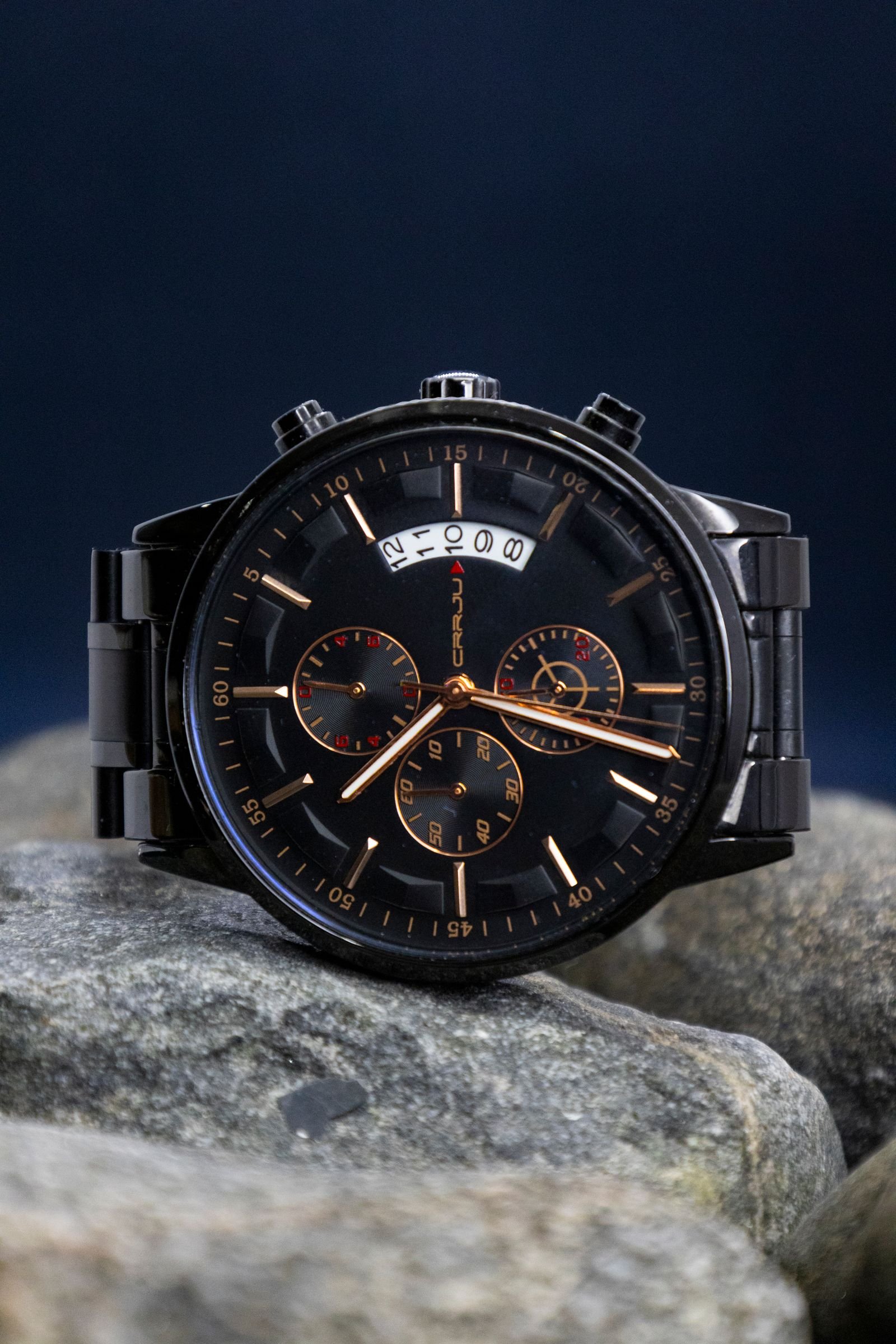
A mechanical watch crown that spins freely can feel alarming. You turn it expecting the soft resistance and faint ratcheting sensation of a mainspring taking power, but the crown seems disconnected. Sometimes the watch keeps running; sometimes nothing happens. The important point is that a freely spinning crown is not automatically a broken crown. On many watches, one direction is designed to idle. On automatic movements, the mainspring may slip harmlessly once fully wound. A screw-down crown also passes through distinct unlocking, winding, date-setting, and time-setting stages that can feel very different.
The useful question is not simply, “Does the crown turn?” It is, “What changes when it turns?” A careful, non-invasive check can usually separate normal behavior from a winding-system fault, a loose crown, a damaged stem, or a keyless-work problem. This guide explains how to test a mechanical watch crown safely, what the results mean, and when to stop and visit a watchmaker.
First Identify the Crown Position and Winding Direction
Before diagnosing a fault, confirm that the crown is in the correct position. A conventional push-pull crown normally winds the watch when it is fully pushed against the case. Pulling it to the first click may operate the date; the outer position usually moves the hands. Exact functions vary, so the model manual takes priority.
A screw-down crown adds another stage. It must first be unlocked, normally by turning it counterclockwise until the threads release and the crown springs slightly away from the case. That unscrewing motion does not necessarily wind the movement. Once released, the crown should be left in its innermost operating position for manual winding. Seiko’s instructions describe unlocking counterclockwise, then winding clockwise slowly. They also warn against forcing the crown when re-engaging the case threads.
Direction matters. Many common mechanical watches wind when the crown is turned clockwise as viewed from the crown side. Turning it the opposite way may produce little resistance, a light clicking sound, or an apparently free spin because that direction is designed to idle. Seiko explicitly notes that counterclockwise crown rotation does not wind several of its automatic calibers. Therefore, a crown that feels loose in only one direction may be completely normal.
Do not assume that every movement follows an identical rule. Some hand-wound calibers, vintage mechanisms, and unusual crown layouts differ. Use the manufacturer’s manual or a movement-specific instruction sheet whenever available. If the watch has a screw-down crown, fully unlock it before judging the winding feel.
Why an Automatic Watch Crown May Spin After Full Winding
An automatic watch needs protection from overwinding because its rotor can keep moving long after the mainspring has reached useful capacity. Most automatic barrels therefore use a slipping bridle. When spring tension reaches the designed level, the bridle slips along the inner barrel wall instead of allowing tension to rise indefinitely.
This changes the feel at the crown. Unlike a traditional hand-wound watch, which often reaches a firm stop, many automatics continue to turn when fully wound. Grand Seiko instructions explain that the spring slips inside after reaching full wind, allowing the crown to keep turning without breaking the mainspring. Citizen likewise states for specific automatic movements that continued turning after full wind does not damage the spring.
That protection does not make endless winding a good habit. The crown, seals, stem, sliding components, and winding train still move. Use only the model’s recommended number of slow turns, then stop. Citizen advises gentle winding because excessive force or speed can increase wear in the finely meshed wheels. A modest pace of roughly one or two rotations per second is more appropriate than rapidly rubbing the crown back and forth.
A fully wound automatic should still show some mechanical feedback while winding in the active direction, although the exact feel can be subtle. The slipping bridle usually creates a repeating, smooth pattern rather than a completely disconnected crown. Sound and resistance vary substantially by caliber, case construction, lubrication condition, and crown size, so feel alone cannot prove a fault.
A Safe Five-Minute Test for a Freely Spinning Crown
Perform this check over a table, with clean dry hands. Do not test a wet watch and do not operate a screw-down crown near water.
- Confirm the movement type. A quartz watch does not wind like a mechanical watch. Some automatic movements do not support manual winding at all, especially certain older or entry-level designs.
- Check the manual. Verify the winding position, active direction, recommended starting turns, and screw-down procedure for the exact caliber or reference.
- Seat the crown correctly. For a push-pull crown, press it gently to the normal position. For a screw-down crown, unlock it fully without pulling it outward.
- Turn slowly in the specified winding direction. Give a stopped automatic the manufacturer-recommended starting wind. Published guidance varies: Rolex calls for at least 25 turns for an adequate partial wind on its watches, while Citizen recommends 10–20 turns before wearing a stopped self-winding watch in its general care advice. These are brand-specific examples, not universal numbers.
- Observe the result. Does the seconds hand begin moving? Does a power-reserve display rise? Does the watch continue running when left stationary? These outcomes matter more than whether the crown feels unusually light.
If a stopped watch begins running and builds a reasonable reserve, the light crown feel may be a caliber characteristic. If the hands move while setting, the date advances normally, and the crown remains securely attached, the stem and keyless works are at least engaging in those positions.
For a watch without a power-reserve indicator, wind it according to the manual, set it down, and record the start and stop times. Do not compare the result with a generic “40-hour automatic” expectation. Use the stated reserve for the exact movement. A large shortfall after a controlled full-wind test is useful service information, but it does not by itself identify which component is faulty.
Signs the Crown or Winding System May Be Faulty
A mechanical watch crown that spins freely deserves professional inspection when it produces no winding effect in the correct position and direction. Several symptoms make a fault more likely:
- The watch is stopped, correct-direction winding produces no start or reserve, and gentle movement only starts it briefly.
- The crown turns with no normal sound or feedback in either direction and never builds tension on a hand-wound watch.
- The crown pulls completely away from the case or wobbles far more than it previously did.
- The crown rotates but the hands or date no longer respond in their respective positions.
- The crown will not remain in a position, jumps between positions, or feels gritty.
- A screw-down crown will not catch the tube threads, screws in at an angle, or releases unexpectedly.
- The problem appeared immediately after an impact, forceful winding, or crown operation.
Possible causes include a crown that has loosened from the winding stem, a broken or bent stem, worn winding pinion or crown-wheel teeth, a displaced setting lever, or damage within the keyless works. In an automatic watch, a fault can also sit farther downstream in the manual winding train or barrel. These possibilities can create overlapping symptoms, so opening the case is normally required for a reliable diagnosis.
A crown that unscrews from the stem may seem deceptively simple, but refitting it correctly can require thread inspection, controlled tightening, sealing work, and a water-resistance test. Applying household glue is not an acceptable repair. Adhesive can contaminate the crown tube or movement, complicate later servicing, and fail to restore sealing integrity.
What Different Crown Behaviors Usually Mean
It spins freely counterclockwise but winds clockwise
This is often normal. Many mechanisms wind in one crown direction and idle in the other. Confirm the exact model instructions and judge the watch by whether it starts and accumulates reserve.
It keeps turning after the automatic watch is fully wound
This is also commonly normal because the automatic mainspring’s bridle is designed to slip. Do not expect the hard stop typical of many manual-wind movements.
It turns in the winding position but nothing changes
First verify direction, crown position, and whether the caliber supports hand winding. If those are correct and a stopped watch gains no usable power, the manual winding path may not be engaging.
It spins while the entire crown looks crooked or loose
Stop operating it. A loose crown-to-stem connection or damaged stem can worsen with repeated handling. Keep the watch dry and arrange inspection.
It will not screw back into the case
Do not force it. Ease the crown outward, rotate it gently counterclockwise until the threads align, then try light inward pressure and a slow clockwise turn. If it still will not engage, leave it alone. Damaged crown-tube threads compromise the watch’s water protection.
What Not to Do
Do not pull harder in an attempt to “find” another crown position. Do not turn a resistant crown with pliers, lubricate it externally, inject oil into the crown tube, or open the case without appropriate tools and training. Avoid repeatedly forcing the date mechanism as part of troubleshooting, especially around the model’s calendar-change period.
Most importantly, do not rely on a screw-down crown that no longer locks. The published water-resistance rating assumes intact seals and properly secured components. Treat the watch as non-water-resistant until it has been repaired and pressure tested.
If the watch is valuable, under warranty, recently serviced, or exposed to water after the fault appeared, use an authorized service center or a qualified independent watchmaker familiar with the caliber. Bring your test notes: winding direction, approximate turns, whether the watch started, observed running duration, crown positions that work, and whether an impact preceded the issue. Clear observations reduce guesswork without exposing the movement to amateur intervention.
Frequently Asked Questions
Should an automatic watch crown eventually stop turning?
Usually not. Most automatic watches use a slipping mainspring bridle, so the crown may continue turning after full wind. A firm stop is more typical of many manually wound watches. Always follow the caliber’s instructions.
Why does my watch crown click in one direction?
A light click in the non-winding direction can be normal as parts of the winding system idle or ratchet. A new grinding sound, harsh skip, or sudden change in feel should be inspected.
Can I overwind an automatic watch by turning the crown?
The slipping bridle generally prevents the mainspring from being wound beyond its intended tension. However, excessive crown operation still creates avoidable wear, so stop after the recommended winding routine.
Why does the crown spin but the hands do not move?
Make sure the crown is pulled to the correct time-setting position. If it is and neither hand responds, the stem, keyless works, or motion works may not be engaging. Stop forcing the crown and seek service.
Is a freely spinning crown an emergency?
Not always. It can be normal in the idle direction or after an automatic reaches full wind. It becomes urgent if the crown is detached, the case may admit water, the watch suffered an impact, or normal functions no longer engage.
Conclusion
When a mechanical watch crown spins freely, context is the diagnosis. Confirm the movement supports manual winding, place the crown correctly, use the specified direction, and look for an actual increase in stored power. One-way idling and continued rotation at full wind are common normal behaviors in automatic watches. A crown that fails to wind, set, remain attached, or secure the case is different: stop experimenting, keep the watch dry, and have the crown, stem, keyless works, and winding train inspected. A few careful observations are far more useful than force.