
Mechanical Watch Running Fast After a Service? What to Check First
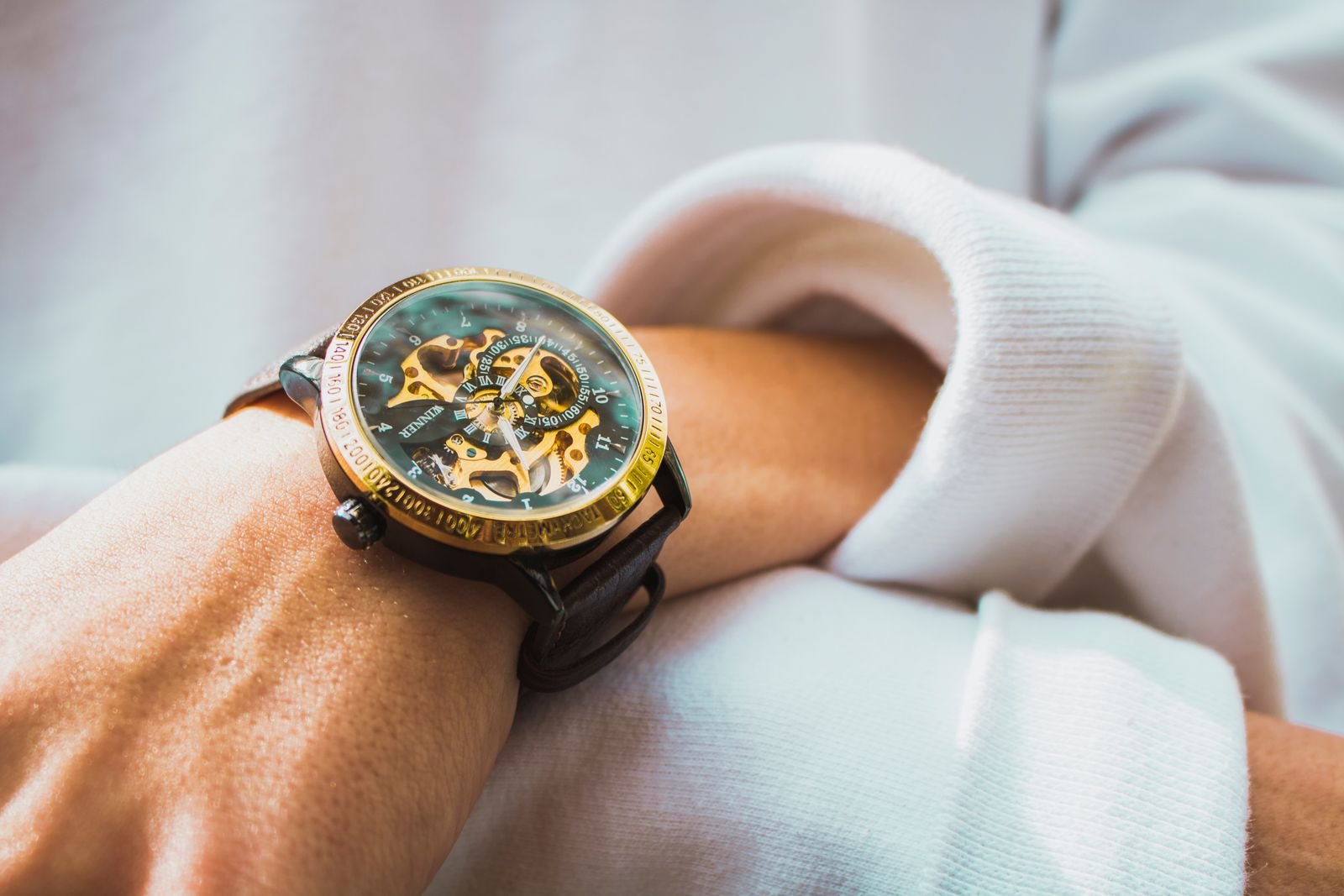
You collect your watch after a full service, set it precisely, and notice the minute hand creeping ahead. A mechanical watch running fast after service can be disappointing, but the first reading does not always prove that the repair was unsuccessful. Mechanical timekeeping changes with position, temperature, mainspring torque, magnetism, and the way the watch is worn.
The useful question is not simply whether the watch gained time. It is how much it gained, how consistently it did so, and under what conditions. A steady five-second daily gain may be within the specification of one movement but outside the promised performance of another. A sudden gain of several minutes per day points to a very different problem.
This guide explains how to measure the rate fairly, which post-service effects can be temporary, what may require correction, and when to return the watch while the service warranty is active. It applies to automatic and hand-wound mechanical watches.
Is a Mechanical Watch Running Fast After Service Always a Fault?
No. First compare the result with the maker’s specification for the exact caliber and with the written result supplied by the workshop. “Accurate” does not mean quartz-like precision. Mechanical watches are commonly specified as a range of seconds gained or lost per day, and the allowed range varies substantially by movement, age, testing standard, and brand.
Laboratory figures also need context. A movement-only chronometer result is not identical to the performance of a complete watch on a particular wrist. METAS Master Chronometer certification, for example, tests the complete watch through a defined protocol. A vintage movement, an entry-level modern caliber, and a current certified chronometer should not be judged against one universal number.
Official Seiko guidance makes another important point: mechanical accuracy should be assessed from average daily rates over roughly a week, because winding state, wrist activity, temperature, and resting position change the result from day to day. That principle is useful regardless of brand.
A small, stable positive rate may even be preferable to a comparable loss for some owners because the watch can be corrected by briefly stopping the seconds. But preference does not override the stated tolerance. If your mechanical watch is running fast after service beyond the workshop’s target, document it and ask the repairer to check it.
How to Measure the Post-Service Rate Properly
Do not rely on the position of the minute hand after a few hours. Minute hands can have display play, and setting them without taking up the gear train’s slack may create an apparent error. Use a reliable reference such as a network-synchronized phone or an official time signal, and measure elapsed error consistently.
- Wind the watch adequately. Follow the model’s instructions. A hand-wound watch should begin the test at a repeatable state of wind; an automatic should receive the recommended manual start or enough normal wear to build reserve.
- Set it carefully. Synchronize the seconds if the movement hacks. Move the minute hand slightly past the target and return it if the manufacturer recommends that method for taking up backlash.
- Record the starting time. Note the reference, date, wind state, and whether the watch was on the wrist or resting.
- Wear it normally. Avoid designing an artificial day solely to improve the number. The goal is to learn how the watch performs for its owner.
- Check once every 24 hours. Record the cumulative difference at approximately the same time. Divide cumulative error by elapsed days to calculate average seconds per day.
- Continue for seven days. A longer sample separates a repeatable rate from daily positional variation.
For example, if the watch is 28 seconds ahead after seven complete days, its average rate is about +4 seconds per day. Do not add each cumulative reading together; that would count earlier gains repeatedly.
Keep the test simple. Timing apps are convenient logs, but a phone microphone is not a substitute for a watchmaker’s calibrated timing machine. Consumer magnetometer apps can locate strong magnets, yet they cannot reliably certify that a movement is demagnetized.
Why a Mechanical Watch May Run Fast After Service
Normal positional differences
Gravity changes how the balance and escapement behave in different orientations. Dial up, dial down, crown up, and crown down can each produce a different rate. A workshop may regulate a watch across several positions, but your mix of wrist positions and overnight storage will be unique. If the watch gains while worn and loses slightly crown-down overnight, those effects may partially cancel.
Position does not justify a large unexplained error. It does explain why a timegrapher number shown at the counter can differ from the weekly result on your wrist.
The mainspring is operating at a different torque
Service can restore winding efficiency and power reserve. A watch that previously spent much of the day at low amplitude may now remain in a stronger part of its power curve. The rate you remember from before service is therefore not a valid baseline for the newly serviced movement. What matters is whether current performance meets the correct specification.
Regulation needs refinement for real-world wear
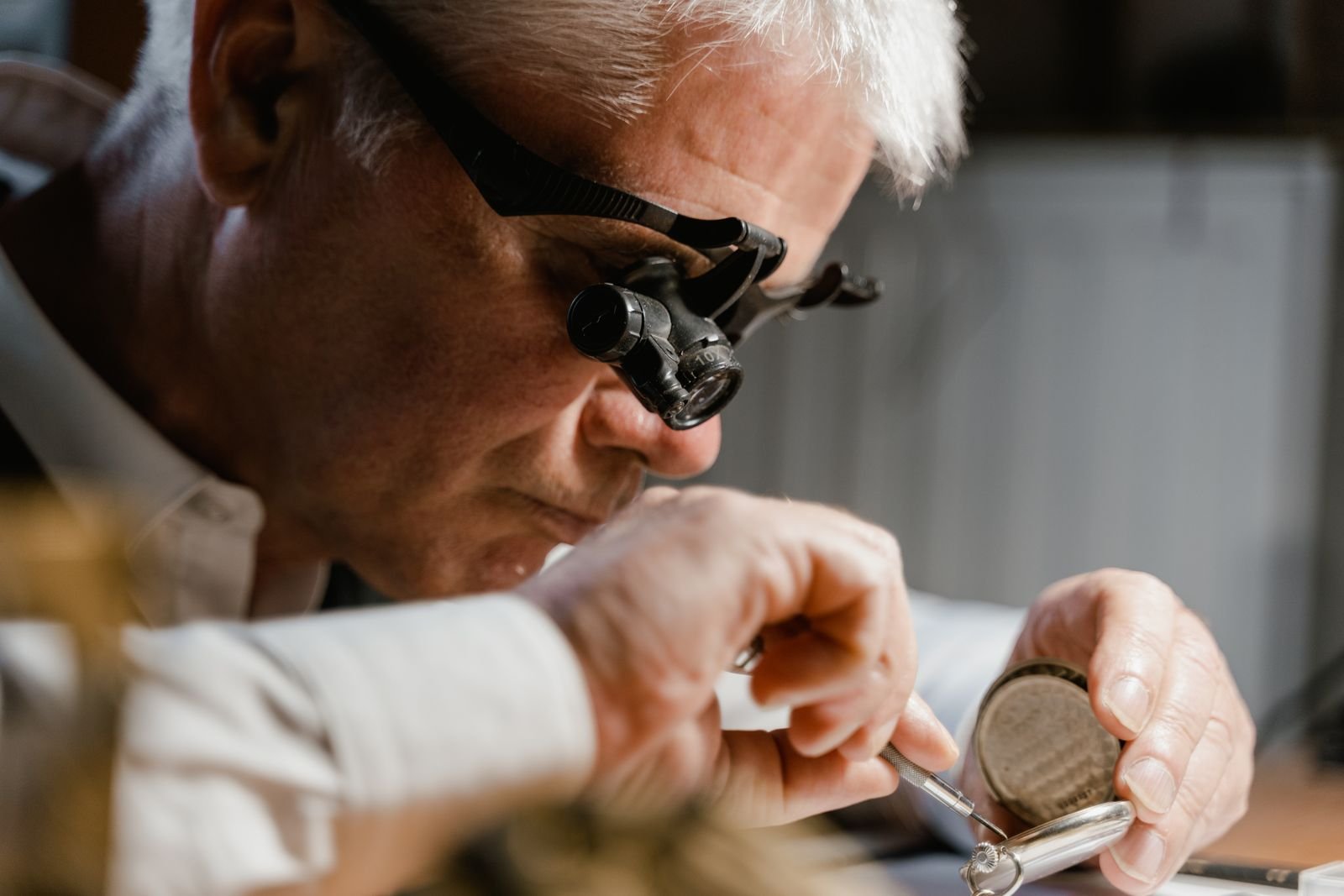
A clean, healthy movement can still need a small regulator adjustment. The technician may have achieved a good average on the bench, while the owner’s wearing pattern exposes a consistently fast positional mix. Many workshops include a post-service timing adjustment when evidence shows a stable deviation.
Regulation changes rate; it does not cure dirt, poor lubrication, damaged components, low amplitude, or an uneven hairspring. If the readings vary wildly, a simple adjustment may hide rather than solve the cause.
Residual or new magnetism
Magnetism can cause a mechanical watch to gain or lose time. In a traditional metallic hairspring, magnetized coils may influence one another and effectively shorten the active spring, often producing a dramatic fast rate. A watch can encounter a magnetic clasp, speaker, tablet cover, tool, or charging accessory after leaving the workshop. Some modern movements use silicon or other resistant materials, but resistance depends on the specific design.
A gain measured in minutes rather than seconds per day is a reason to stop experimenting and contact the service provider. Demagnetizing is quick when magnetism is the only issue, but the watch should be tested before and after rather than treated on assumption.
Hairspring interference or contamination
Adjacent hairspring coils can touch because of oil contamination, deformation, incorrect centering, or debris. The active length changes and the movement may run very fast. The rate may also change with position if contact appears only in certain orientations. Correcting this requires skill: the hairspring is delicate, and opening the case risks contamination and water resistance.
Shock during return transport or wear
A serviced watch can be disturbed by a hard impact in shipping or after collection. Shock may alter regulation, affect the hairspring, or damage a pivot. Tell the workshop if the package arrived crushed or the watch was dropped. Do not omit that detail because it helps distinguish a workmanship issue from later damage.
An incomplete repair or assembly problem
Less commonly, a mechanical watch running fast after a service reflects a fault that was missed or introduced: incorrect hairspring clearance, a regulator component that shifted, unsuitable lubrication, or inadequate testing of the cased watch. Reputable service providers should inspect the evidence and correct covered work.
What You Can Safely Check at Home
Start with observation, not intervention. Confirm that the watch is genuinely gaining against the reference and that the error is not a date-change, time-zone, or setting mistake. Check the model manual for its published tolerance and proper winding procedure.
Then compare two or three ordinary overnight positions. Keep daytime wear similar, place the watch dial up for one night and crown down for another, and record the next morning’s cumulative error. This is not a regulation method; it simply shows whether positional variation is large enough to explain the daily result.
Also review the watch’s environment. Keep it away from magnetic closures, speakers, wireless charging hardware, induction equipment, and tool trays. Note any impact, water exposure, unusual noise, short power reserve, or difficulty winding. These companion symptoms matter more than a small isolated rate change.
- Safe: winding according to the manual, comparing with a trusted clock, logging normal wear, and testing ordinary resting positions.
- Not safe: opening the case, moving a regulator, touching the hairspring, applying oil, or using an unknown demagnetizer near the watch.
If the case was opened during service, its water resistance should have been tested as part of the completed work where applicable. Do not open it at home and compromise that result.
When to Return the Watch to the Service Center
Contact the service provider promptly if the average rate is outside the stated post-service tolerance, especially while the repair warranty remains in force. Do the same if the rate is erratic, changes sharply between positions, or worsens over several days.
Skip the week-long test and seek advice sooner when the watch gains minutes per day, stops unexpectedly, has a much shorter power reserve, makes a new scraping sound, shows condensation, or suffered an impact. A severe fast rate can indicate magnetism or hairspring interference, neither of which improves through continued wear.
Provide useful evidence rather than only saying “it runs fast.” Send the service invoice number, watch reference, dates tested, average daily gain, winding routine, hours worn, overnight positions, and any impact or magnetic exposure. Ask whether the workshop wants the watch running, stopped, or fully wound when returned.
Before handing it over, photograph the case and bracelet condition. Request an intake receipt and ask for the eventual diagnosis, timing results, and water-resistance result in writing. A competent workshop may place the watch on a timing machine, check multiple positions and amplitudes, inspect for magnetism, then perform real-time observation after any adjustment.
Will a Watch “Settle In” After Service?
The phrase is often used too loosely. Fresh lubricants distribute through designed contact points, and your first days may reveal a different mix of wind and positions. A short observation period is therefore reasonable when the deviation is small and stable. But modern watch oils do not need weeks of bad timekeeping to become functional, and a gross error should not be dismissed as settling.
Give a modest deviation enough time to calculate a meaningful average—generally about seven days—unless the service provider specifies another procedure. Do not wait through the warranty period in the hope that a mechanical watch running fast after service by minutes per day will correct itself.
Frequently Asked Questions
How fast is too fast after a watch service?
Use the tolerance for the exact movement and the workshop’s written service standard. There is no single limit for every mechanical watch. A stable result just outside the target deserves a regulation check; a gain of minutes per day warrants prompt diagnosis.
Should I measure accuracy on a timegrapher?
A timegrapher is valuable in trained hands because it also reveals amplitude and beat error, but a single position is not the same as real-world daily performance. Owners should log elapsed time, while a watchmaker interprets machine readings across positions and states of wind.
Can a watch become magnetized immediately after service?
Yes. It may encounter a magnetic source during transport or daily use. However, a fast watch is not automatically magnetized, so testing should precede treatment.
Can changing the overnight position fix a fast watch?
A slower overnight position may offset a small daytime gain. That is a practical fine-tuning habit, not a repair. If the average remains outside specification, return the watch.
Does a new watch winder change the rate after service?
A winder changes the watch’s positions and state of wind, so it can change the observed rate. It should not be used to conceal an out-of-tolerance movement. Test the watch under normal wear first and use only suitable turns-per-day and direction settings.
Will the service center charge for another adjustment?
Policies differ. Many workshops cover verified timing corrections related to recent service, while impact or later damage may not be covered. Contact the provider before another repairer opens the case, because third-party work can affect warranty coverage.
Conclusion
A mechanical watch running fast after service deserves measurement, not panic or a do-it-yourself adjustment. Fully and correctly wind it, synchronize it to a dependable reference, wear it normally, and calculate the average over about a week. Compare that result with the exact caliber specification and the service provider’s promised tolerance.
Small, consistent differences may come from position or may need only careful regulation. Large, erratic, or worsening gains can point to magnetism, hairspring interference, shock, or another fault that requires professional attention. Good records turn a vague complaint into actionable evidence—and make it much easier for the workshop to return the watch to the accuracy the service was meant to restore.