
Dive Watch Bezel Stuck or Hard to Turn? Causes, Safe Cleaning, and Repair Signs
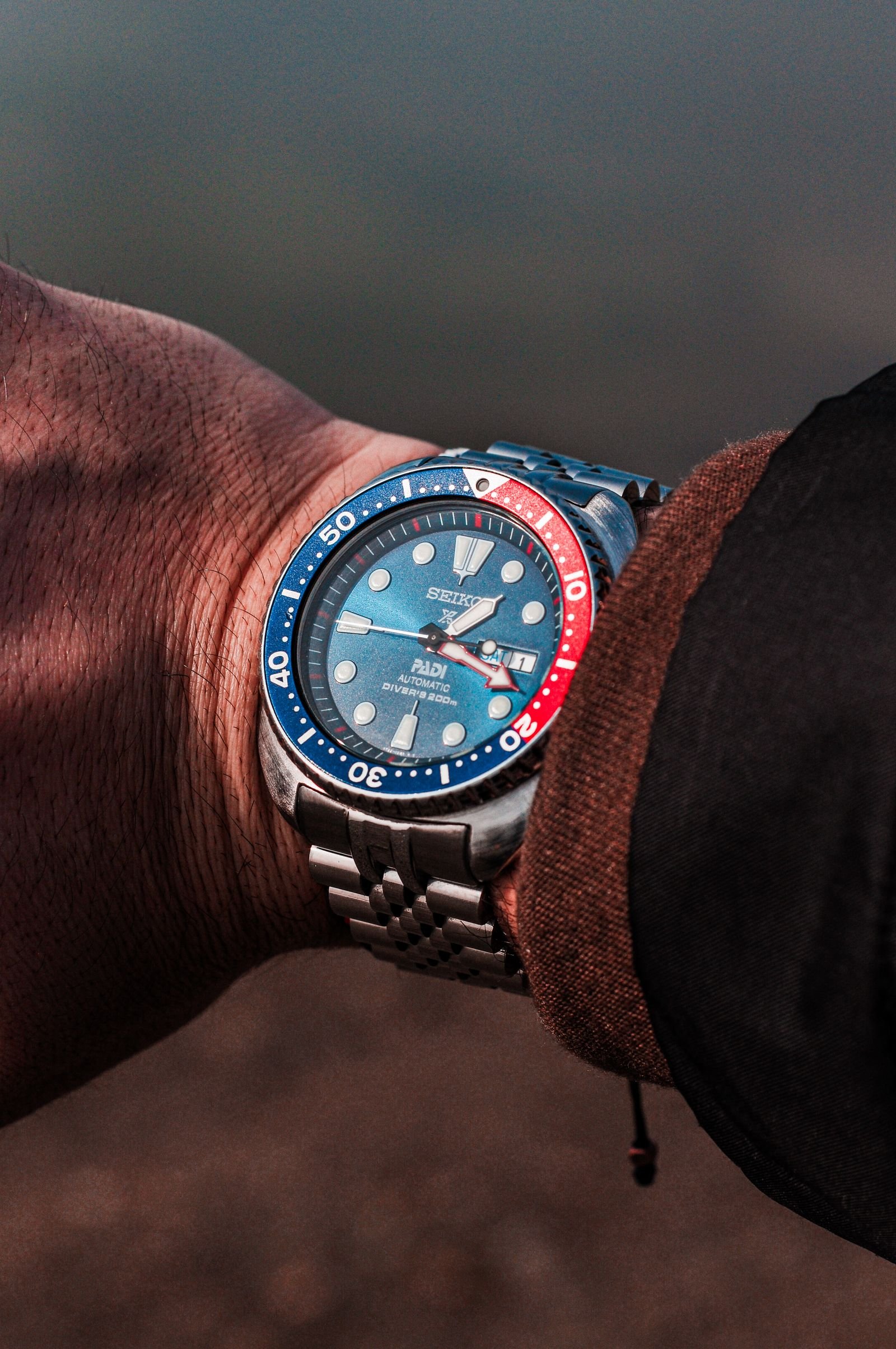
Learn why a dive watch bezel gets stuck or hard to turn, how to clean it safely, what to avoid, and when professional repair is necessary.
 admin
Learn why a dive watch bezel gets stuck or hard to turn, how to clean it safely, what to avoid, and when professional repair is necessary.
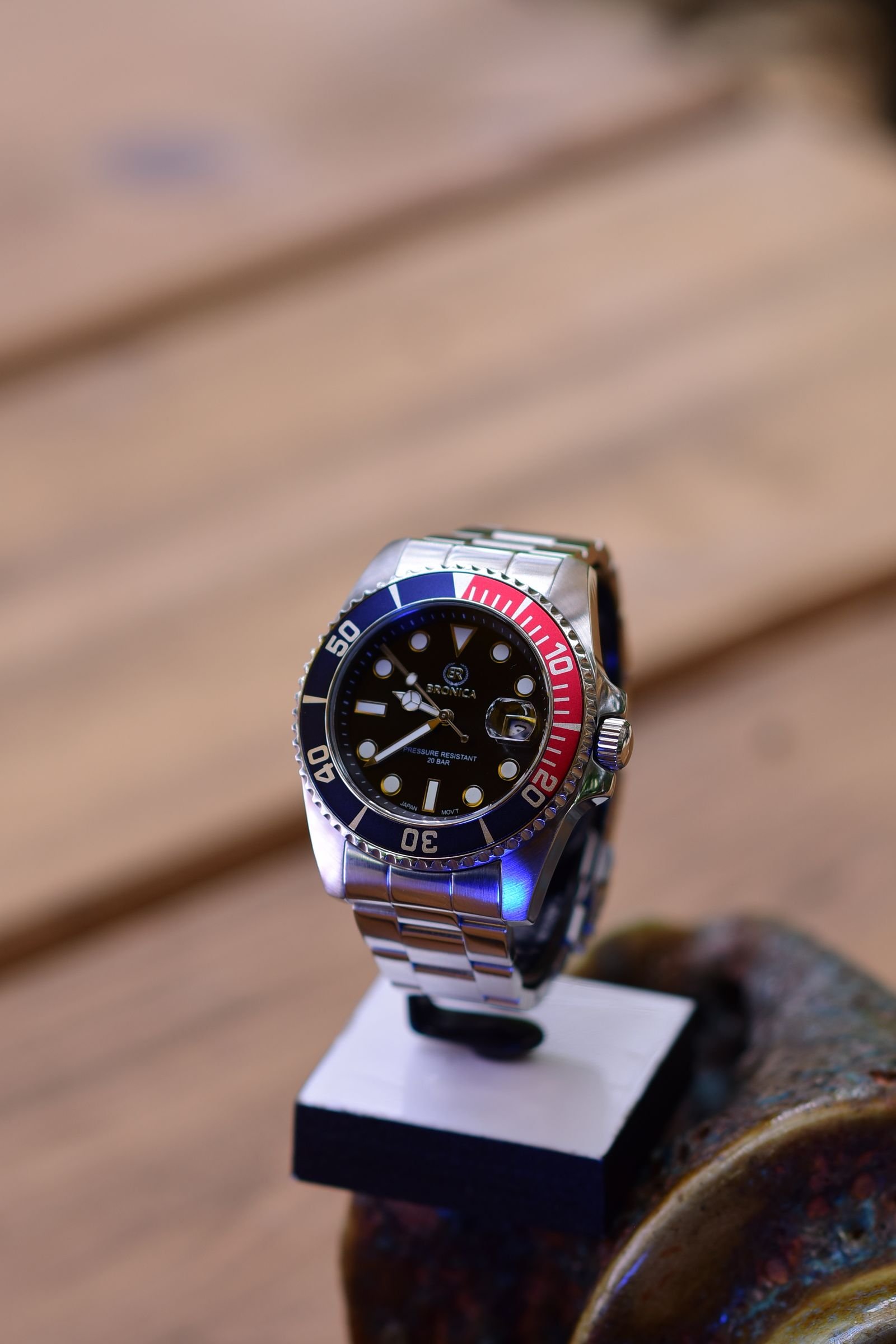
A Tudor Black Bay can look simple at first glance: a round dive-watch case, a snowflake hour hand, a rotating bezel, and a shield on the dial. That apparent simplicity is exactly why casual authentication is risky. The collection spans multiple generations, sizes, movements, bracelets, dial signatures, and reference numbers. A detail that is correct … Read more
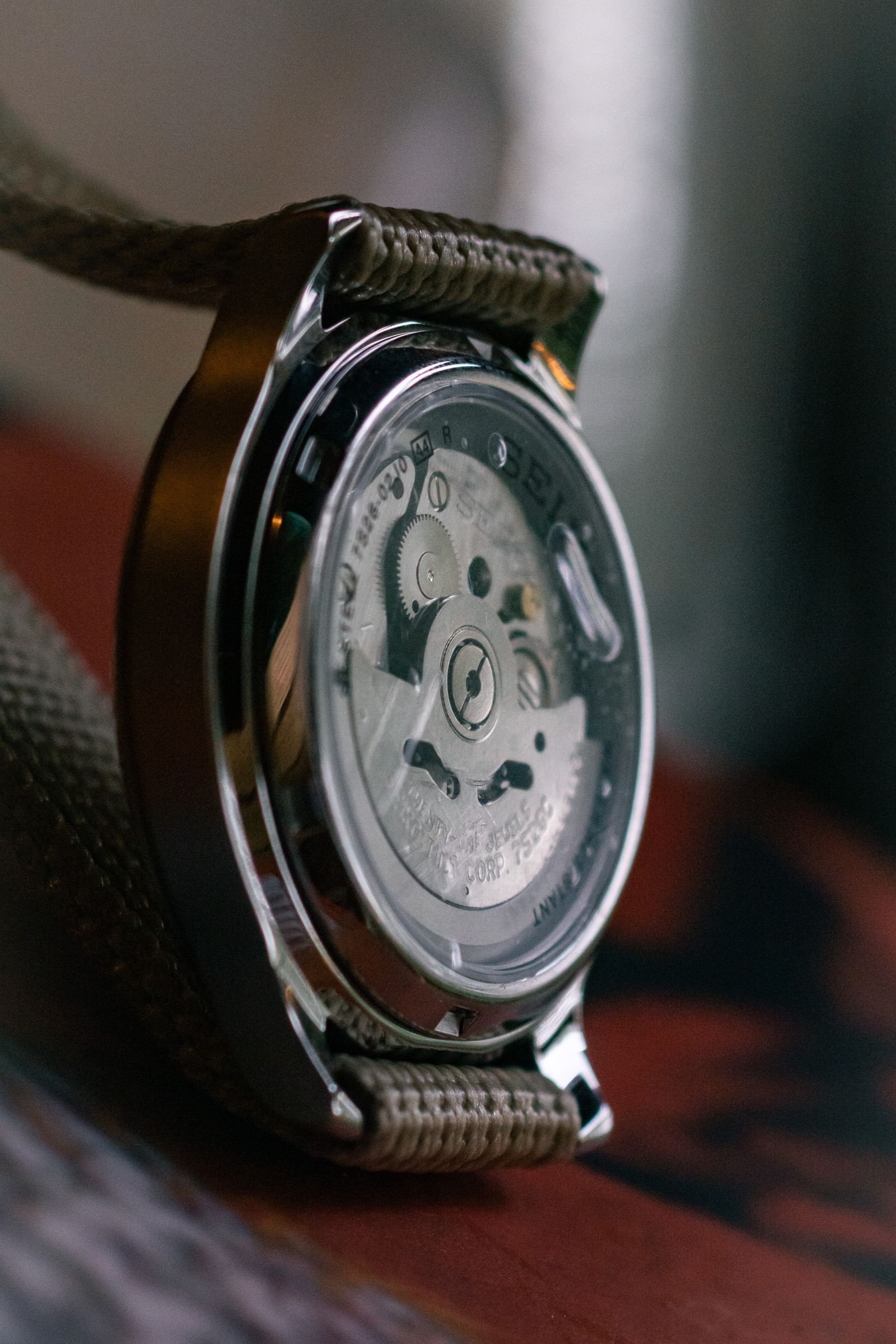
Grand Seiko Spring Drive is often described as a hybrid movement, but that convenient label can create the wrong picture. It is not a conventional mechanical watch with a battery added, nor is it an ordinary quartz movement with decorative gears. A Spring Drive watch stores energy in a mainspring, transfers that energy through a … Read more
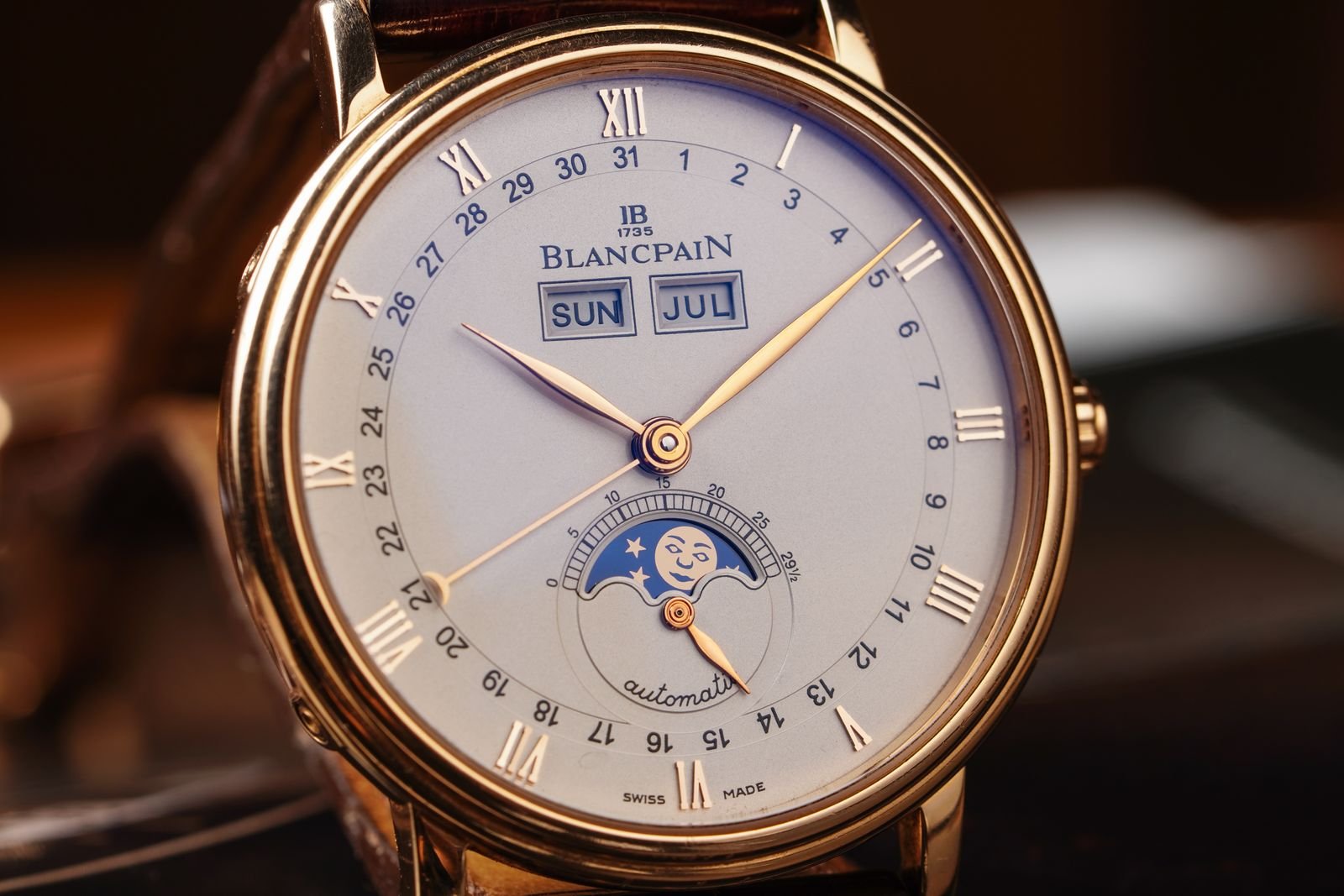
A chronometer label can look like a simple promise that a watch keeps excellent time. In practice, the three names shoppers encounter most often—COSC Chronometer, METAS Master Chronometer, and Rolex Superlative Chronometer—describe different test programs. They do not examine exactly the same object, apply the same rate limits, or cover the same performance traits. That … Read more
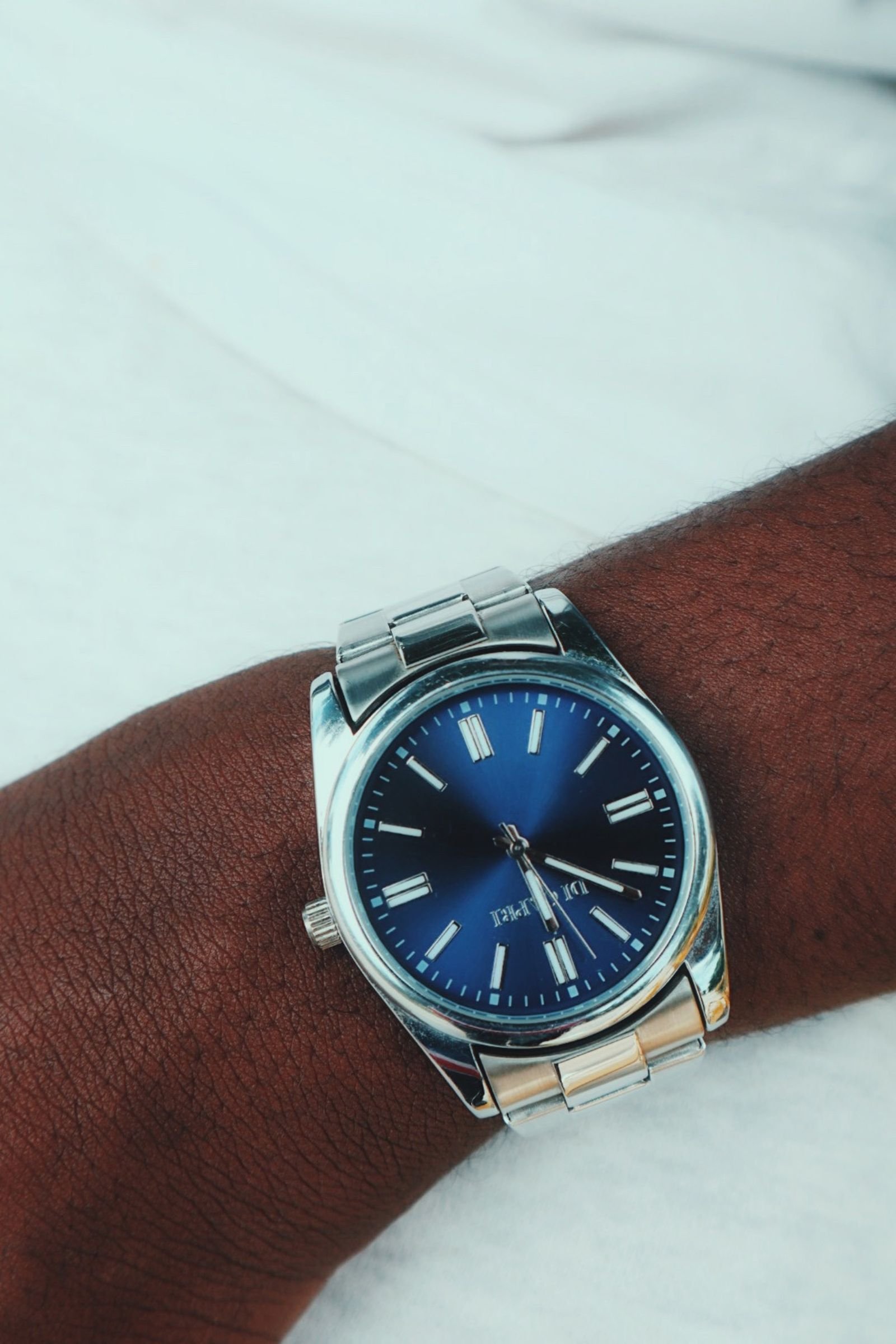
If you want a short answer, start your Omega Caliber 8900 at 650 to 800 turns per day (TPD) in bidirectional mode. A programmable setting near 700 TPD is a sensible first test. That is not a universal factory command carved in stone, however. Winder output, watch position, cushion fit, movement condition, and the amount … Read more
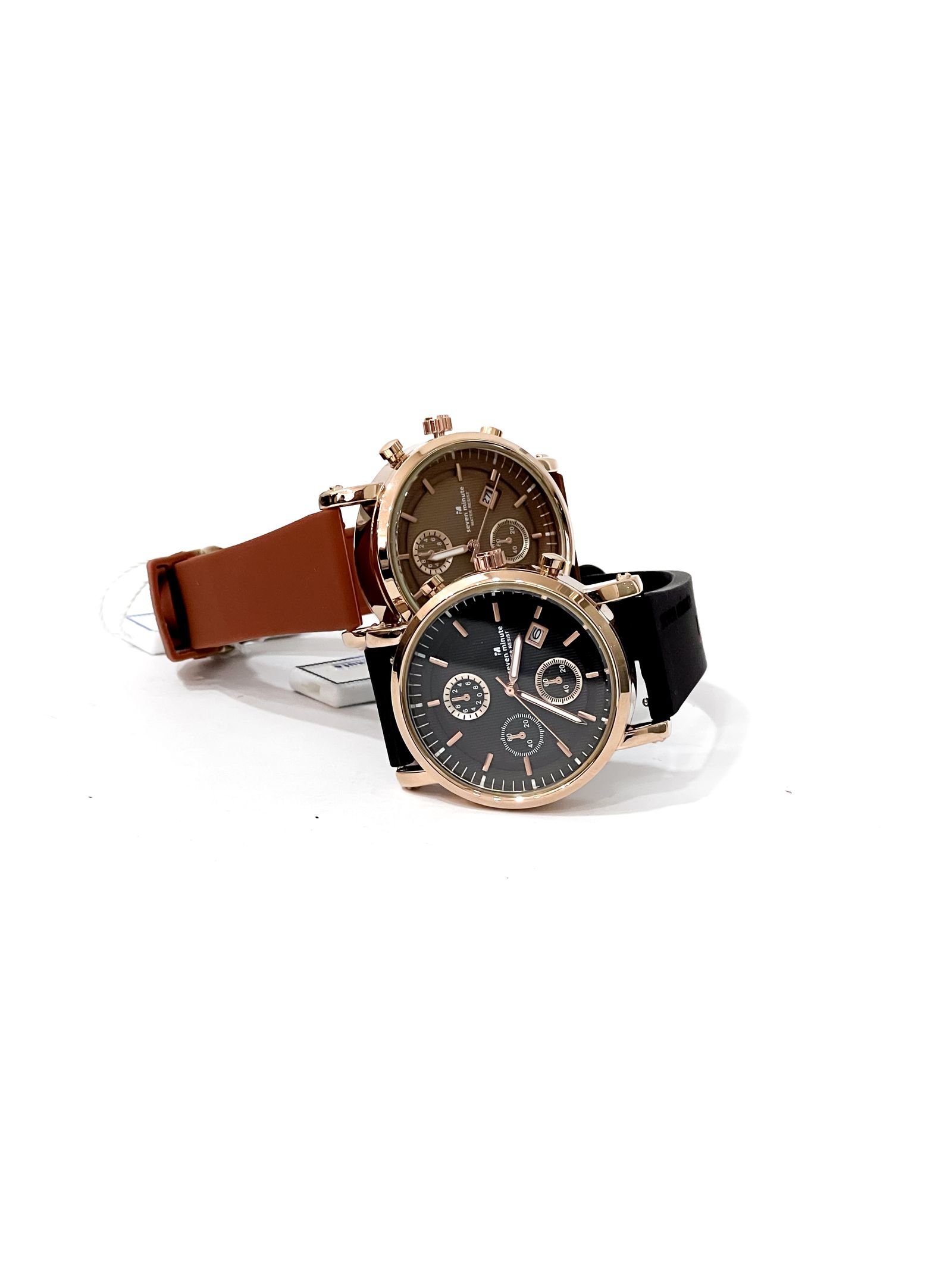
The IWC Portugieser looks simple at first glance: a large, open dial, slim hands, crisp numerals, and restrained decoration. That apparent simplicity makes it tempting to authenticate one from a few photographs. It also makes small inconsistencies easy to overlook. Counterfeiters can imitate the broad visual formula, while genuine watches may have replacement straps, polished … Read more
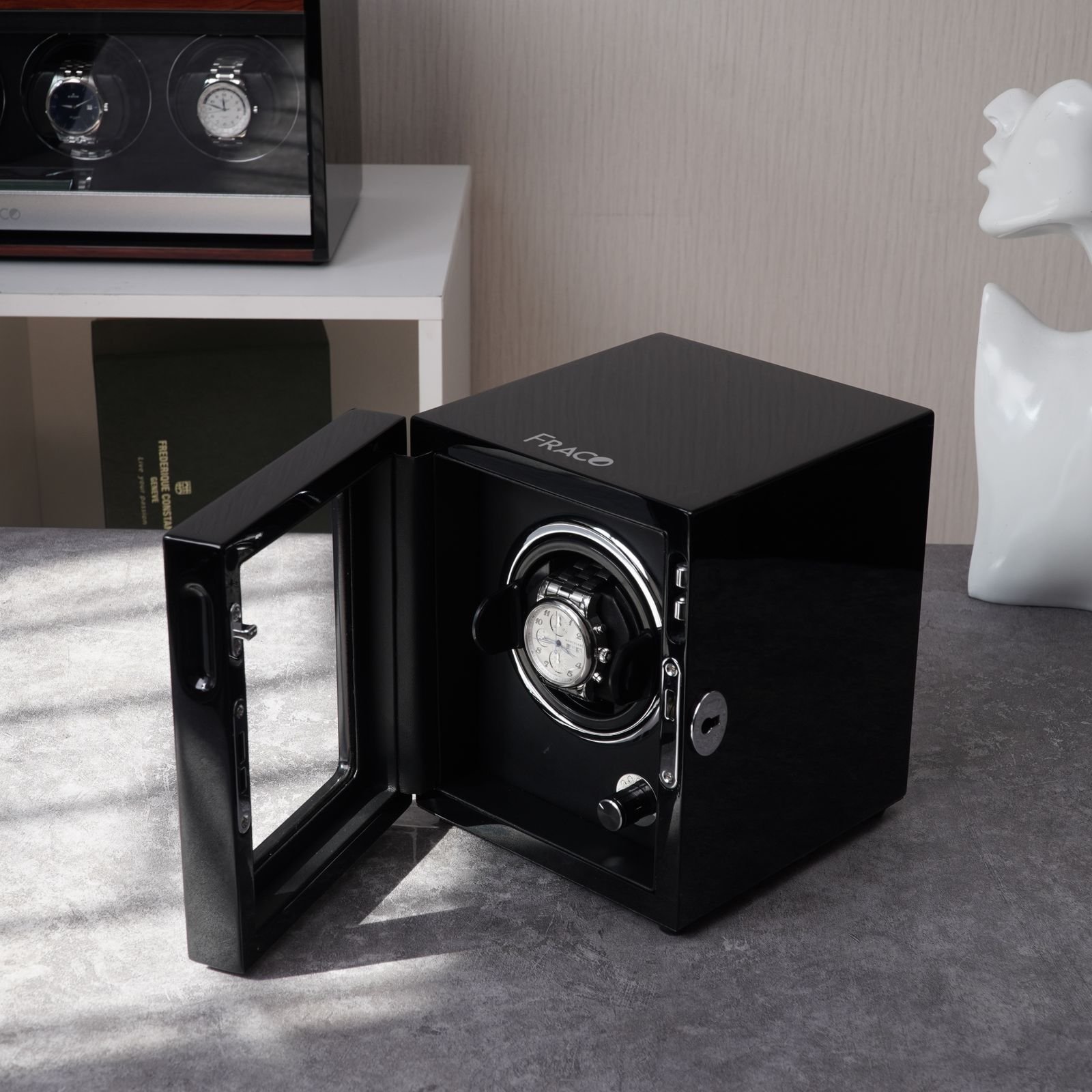
Learn when watch winder direction matters, how CW, CCW, and bidirectional settings work, and how to test the right TPD program safely.
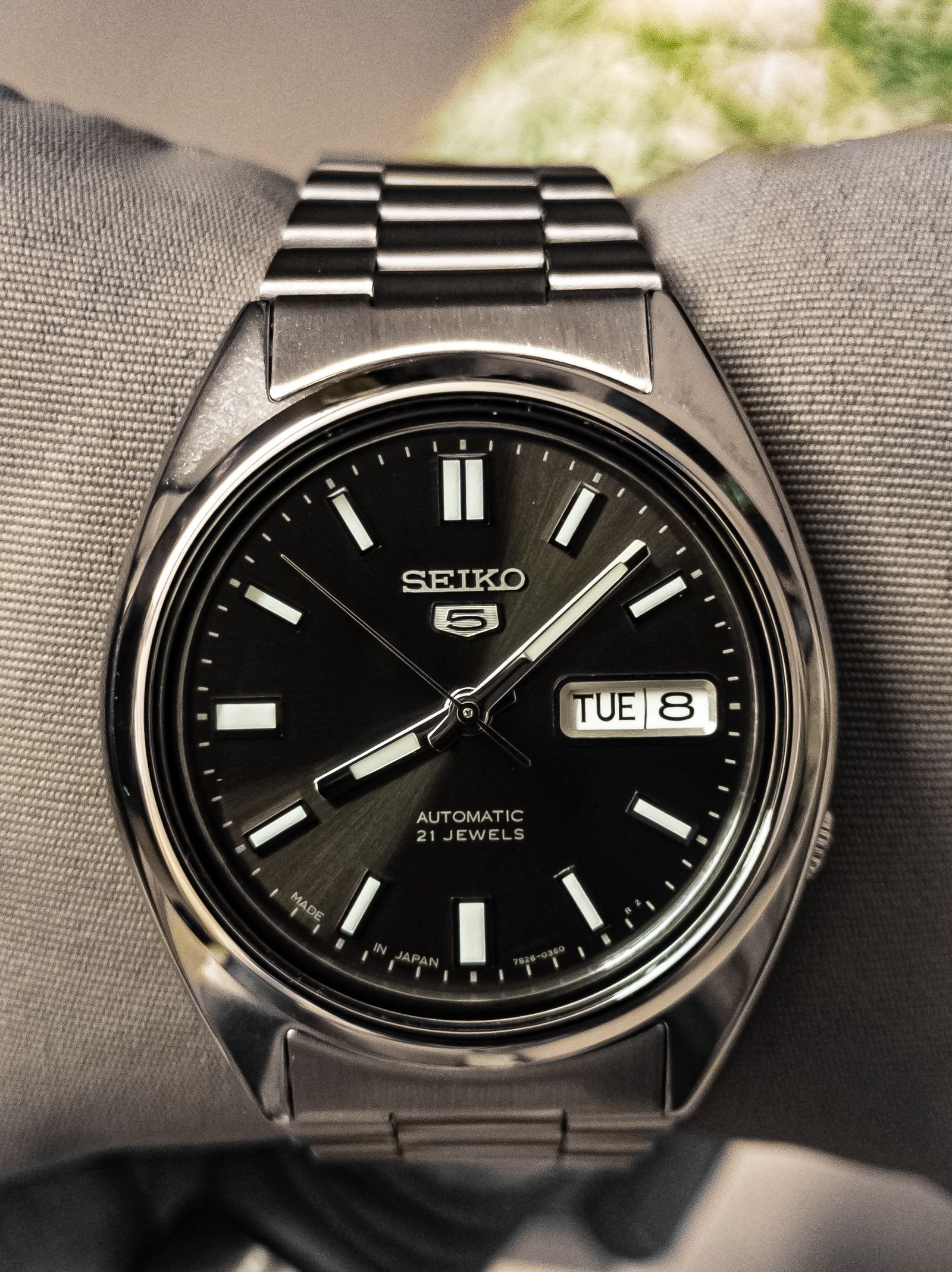
An automatic watch is supposed to gather energy from wrist movement, so finding that your automatic watch stops while wearing it feels contradictory. Sometimes the explanation is simple: the watch began the day with almost no stored power, and a quiet routine did not wind it fast enough. In other cases, repeated stopping points to … Read more
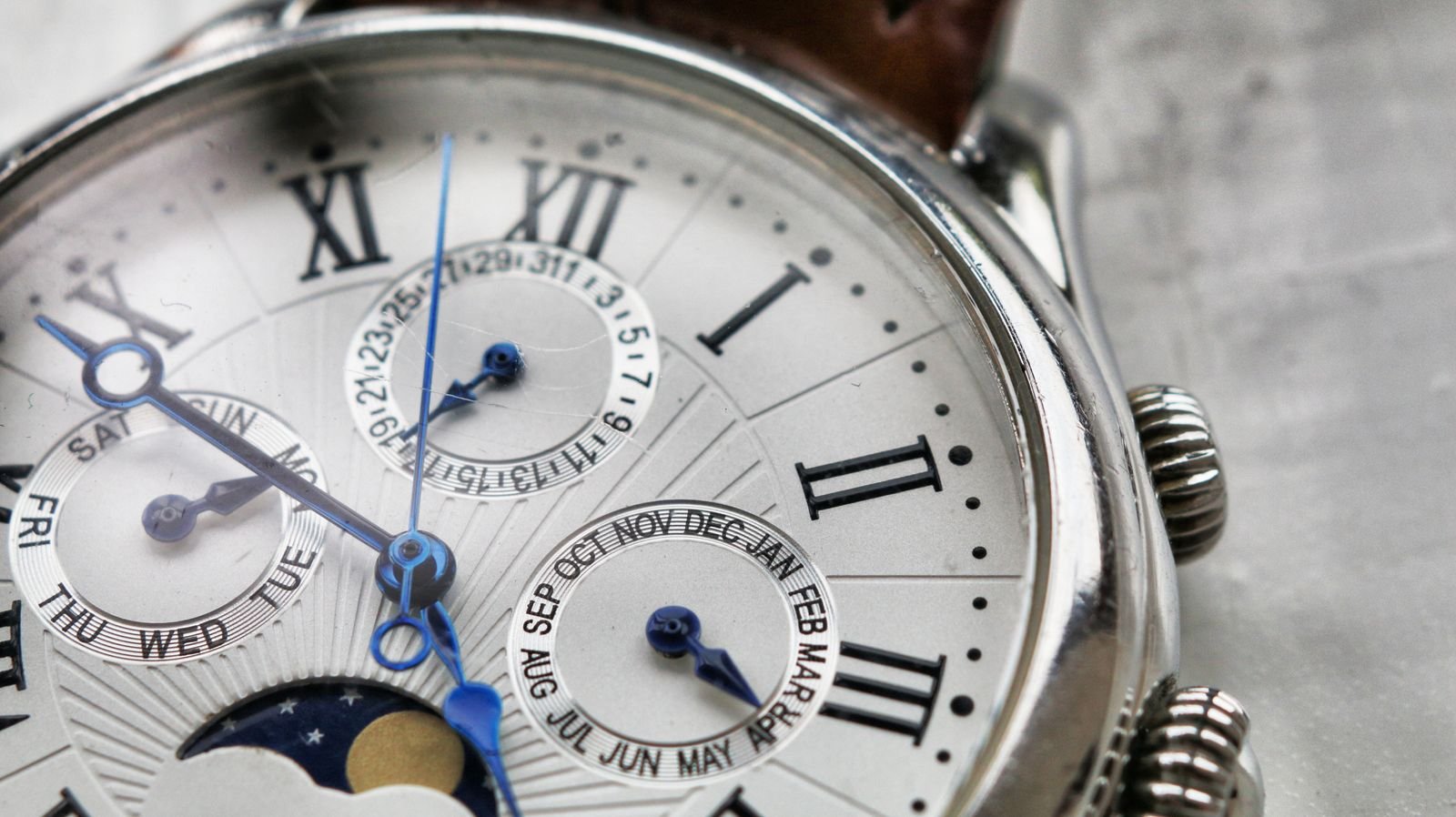
Choosing between a sapphire vs mineral watch crystal sounds easy when one material is routinely described as premium and the other as affordable. The real decision is less tidy. Sapphire is exceptionally resistant to scratches, while mineral glass can offer a useful balance of cost and impact tolerance. Either can be the sensible choice when … Read more
A good bracelet fit keeps the watch stable without making your wrist feel compressed. A metal bracelet can make a watch feel wonderfully integrated—or surprisingly awkward. One removed link may leave the watch pinching by lunchtime, while adding that link can make the case roll toward the outside of the wrist. The frustrating part is … Read more