

























Search Account Cart

Mechanical Watch Crown Spins Freely? What Is Normal and What Needs Repair

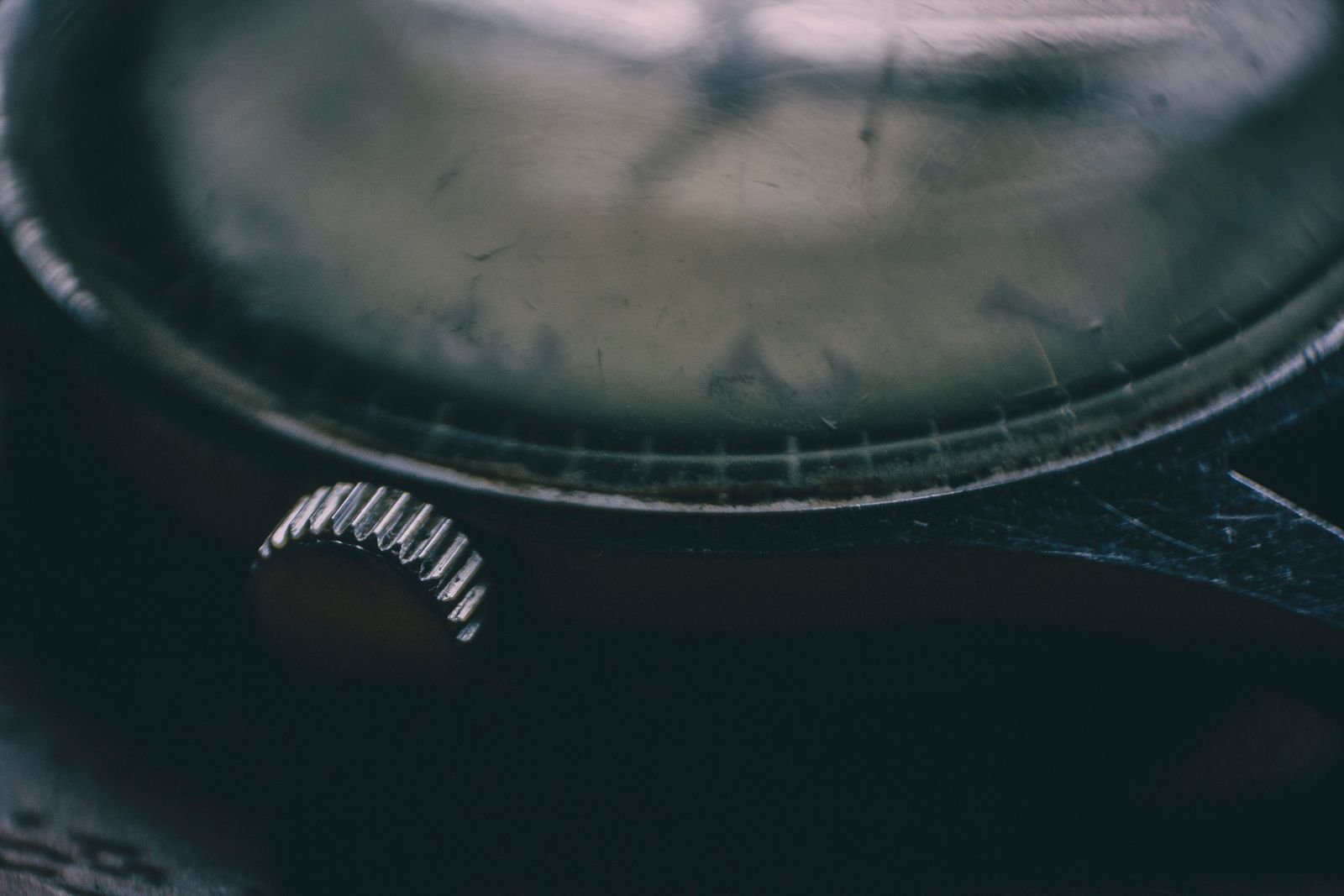
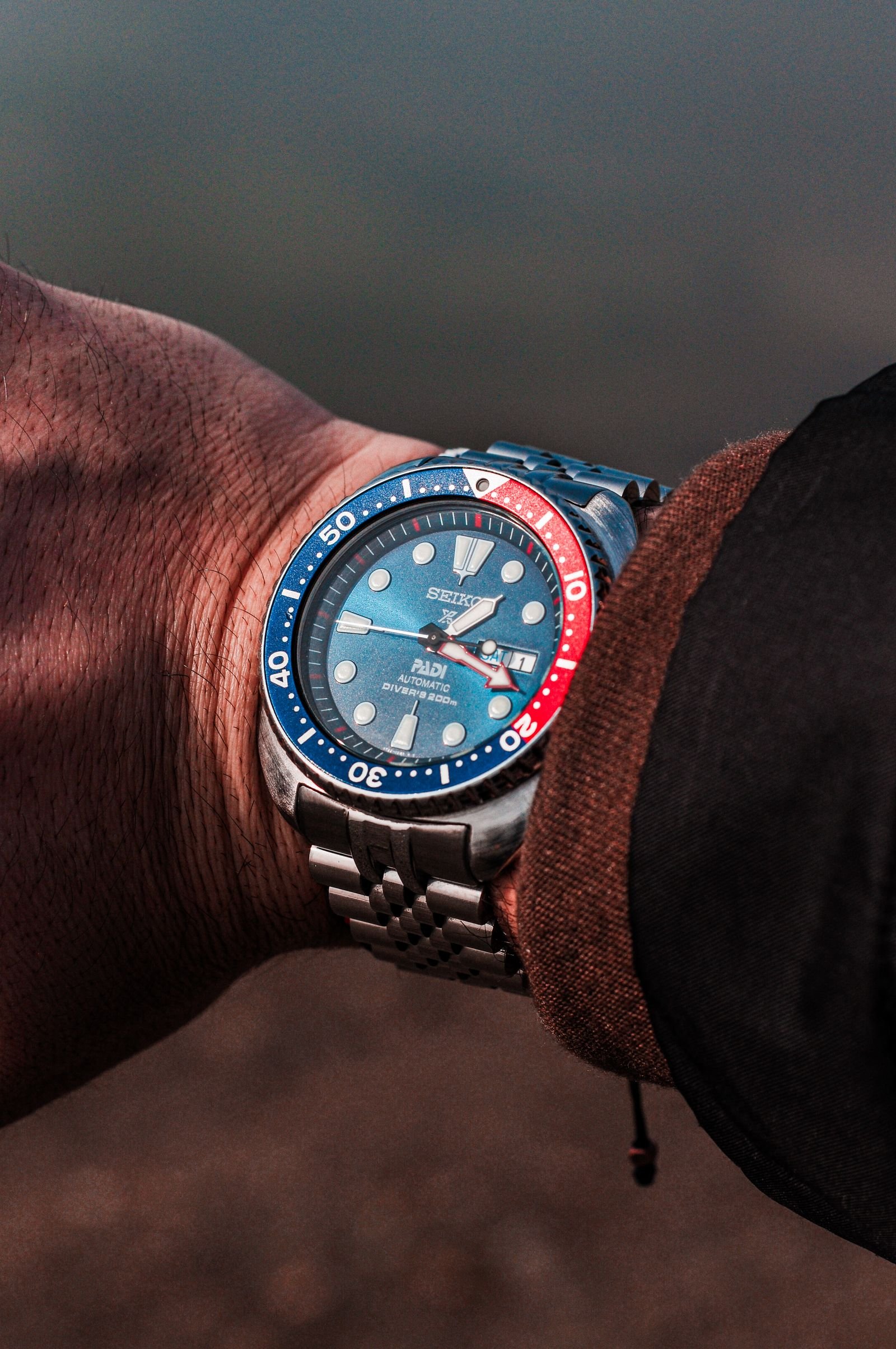
Mechanical wristwatch used to diagnose a freely spinning crown

A mechanical watch crown that spins freely can feel alarming. You turn it expecting the soft resistance and faint ratcheting sensation of a mainspring taking power, but the crown seems disconnected. Sometimes the watch keeps running; sometimes nothing happens. The important point is that a freely spinning crown is not automatically a broken crown. On … Read more

Broken Watch Mainspring Symptoms: How to Tell What Is Really Wrong

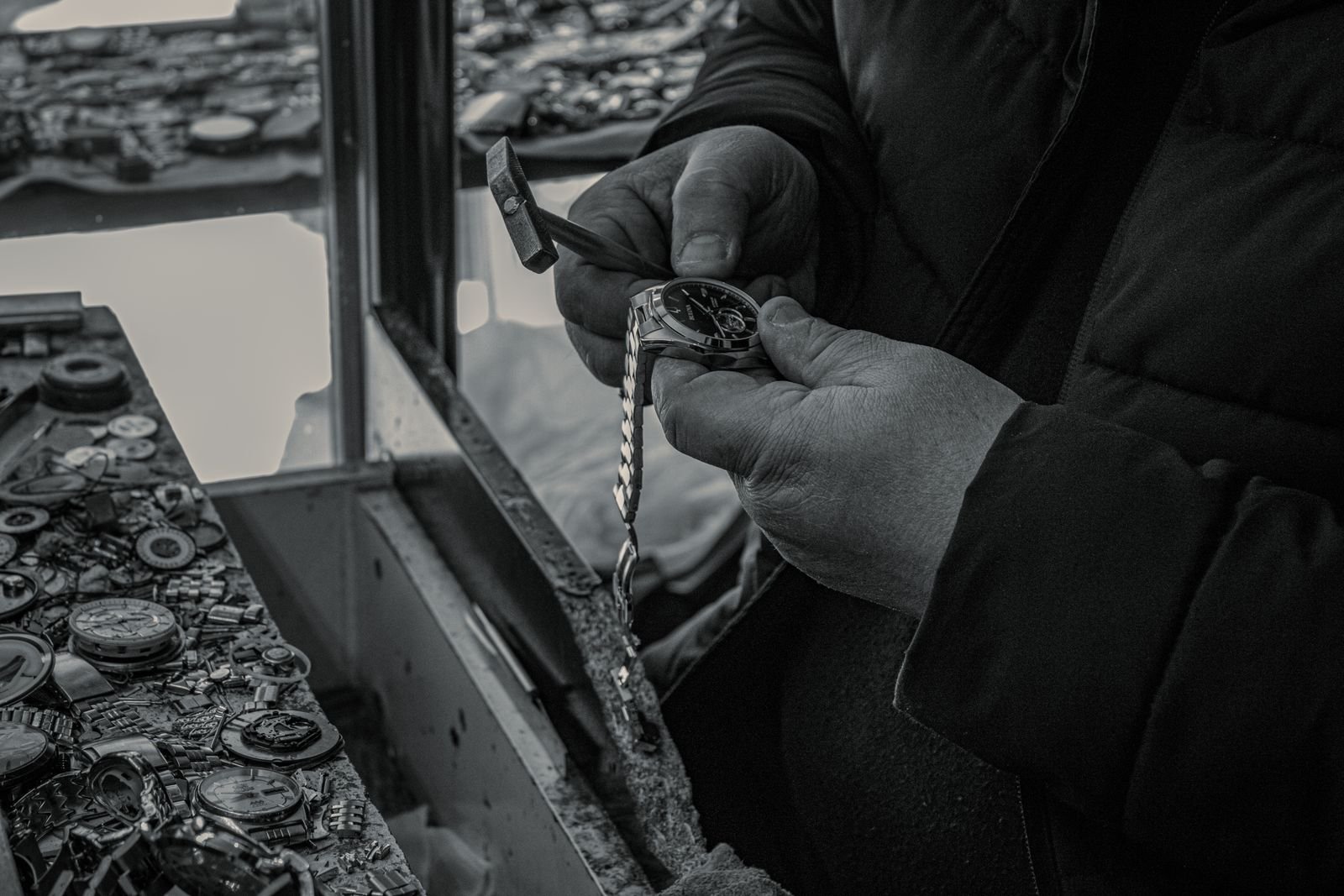
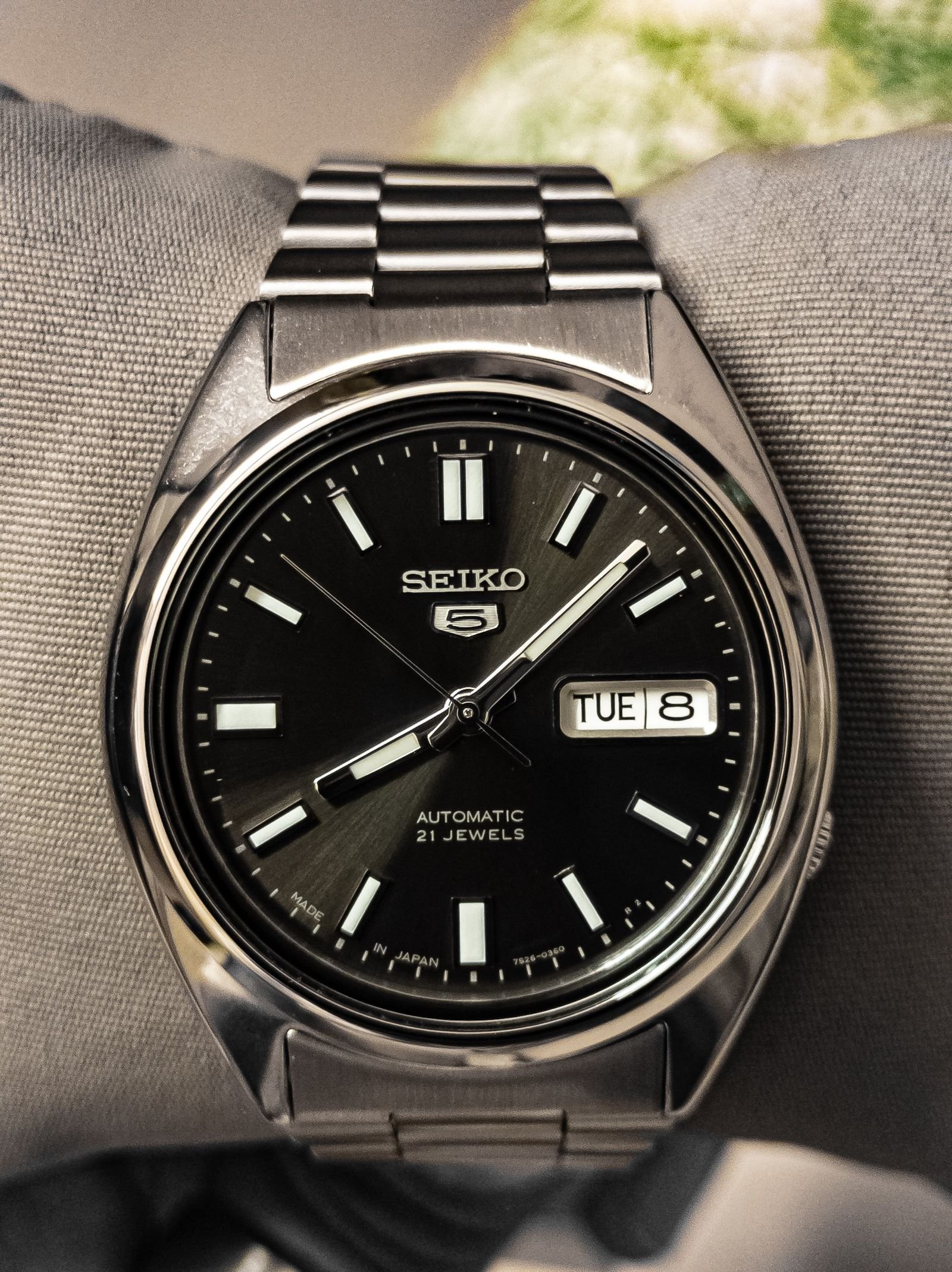
Watchmaker examining a mechanical watch for broken mainspring symptoms

A mechanical watch that stops soon after winding may seem to have an obvious diagnosis: a broken mainspring. In practice, the same behavior can come from a dirty movement, a worn automatic-winding system, a slipping bridle, damage elsewhere in the gear train, or simply too little winding. That overlap makes broken watch mainspring symptoms useful … Read more

Automatic Watch Stops While Wearing It? Causes, Tests, and Safe Next Steps

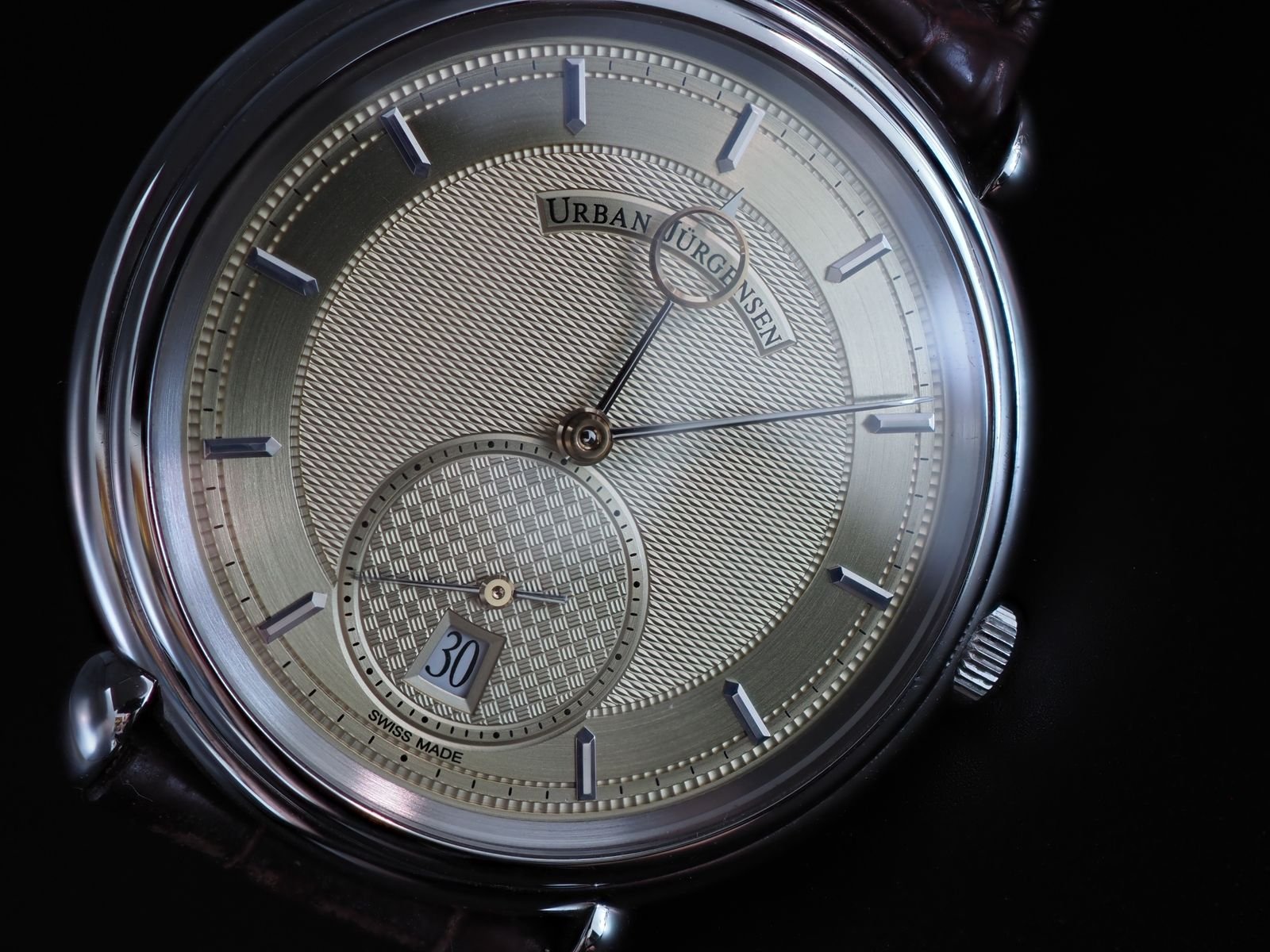
Automatic mechanical watch worn on the wrist during a power reserve check

An automatic watch is supposed to gather energy from wrist movement, so finding that your automatic watch stops while wearing it feels contradictory. Sometimes the explanation is simple: the watch began the day with almost no stored power, and a quiet routine did not wind it fast enough. In other cases, repeated stopping points to … Read more

Dropped Your Mechanical Watch? What to Check Before You Wear It Again

Mechanical wristwatch resting on a table after a careful visual inspection

Dropping a mechanical watch produces a uniquely unpleasant sound. Even if the crystal is intact and the seconds hand is still moving, the impact may have changed something you cannot see: timing, hand clearance, rotor alignment, crown sealing, or the position of a tiny movement component. The good news is that a dropped mechanical watch … Read more